Eapbx Study Material
Types of EPABX System
1. Analog EPABX:
An Analog EPABX uses traditional telephone lines and analog extensions for communication. It is simple, affordable, and ideal for small offices and businesses.
2. Digital EPABX:
A Digital EPABX uses digital telephones to provide better voice quality and advanced features such as caller ID, call forwarding, conferencing, and programmable keys.
3. IP EPABX (IP PBX):
An IP EPABX uses a Local Area Network (LAN) or the Internet to transmit voice calls using VoIP technology. It offers lower communication costs, remote access, and easy scalability.
4. Hybrid EPABX:
A Hybrid EPABX combines both analog and IP technologies. It allows organizations to use existing analog phones while gradually upgrading to IP telephony.
5. Cloud EPABX (Hosted PBX):
A Cloud EPABX is hosted by a service provider and accessed over the Internet. It eliminates the need for on-site PBX hardware and offers flexible, scalable, and cost-effective communication.
Cost of Different Types of EPABX Systems
- Analog EPABX (₹5,000 – ₹30,000): The most affordable option, suitable for small offices, shops, and clinics. It provides basic telephony features such as intercom, call transfer, and extension dialing.
- Digital EPABX (₹20,000 – ₹1,00,000+): Designed for medium-sized businesses, it offers better voice quality and advanced features like caller ID, conferencing, and programmable digital phones.
- IP EPABX (₹30,000 – ₹5,00,000+): Ideal for medium and large organizations, it uses VoIP technology to support SIP trunks, IP phones, remote users, and unified communication with lower long-term calling costs.
- Hybrid EPABX (₹25,000 – ₹2,00,000+): Supports both analog and IP telephones, making it a flexible solution for businesses that want to upgrade gradually without replacing all existing phones.
- Cloud EPABX (₹300 – ₹1,500 per user/month): A subscription-based solution hosted by a service provider. It requires little or no on-site PBX hardware and offers easy scalability, remote access, and lower maintenance costs.
About NEC Telecommunications
NEC Corporation is a Japanese multinational technology company founded in 1899. It is one of the world’s leading companies in telecommunications, IT infrastructure, networking, biometric systems, and enterprise communication solutions.
NEC in Telephony:
In the field of telephony, NEC provides communication systems that allow organizations to manage internal and external phone calls efficiently. Instead of connecting every telephone directly to telephone lines, an NEC PBX connects all extensions through one central system. This reduces costs, simplifies communication, and provides advanced calling features.
NEC PBX Systems:
NEC manufactures several PBX systems for different business sizes. Small offices often use the SL1000 or SL2100, while medium and large organizations may use the SV9100, SV9300, or SV9500. These systems support analog, digital, IP, and SIP telephones, making them suitable for both traditional and modern communication networks.
Features of NEC PBX:
An NEC PBX provides many useful features, including call transfer, call forwarding, conference calling, voicemail, auto attendant (IVR), caller ID, music on hold, and extension dialing. It also supports SIP trunks, remote IP phones, paging systems, and door phones, allowing businesses to build a complete communication solution.
Why Businesses Choose NEC:
Many businesses choose NEC because it is reliable, easy to expand, and supports both legacy analog devices and modern IP communication. As a company grows, additional extensions, IP phones, or SIP trunks can be added without replacing the entire system. This flexibility makes NEC a popular choice for organizations of all sizes.
Where NEC PBX is Used:
NEC PBX systems are widely used in offices, hotels, hospitals, schools, factories, banks, government organizations, and call centers. They provide efficient internal communication, simplify call management, reduce telephone costs, and support advanced features such as extension dialing, call transfer, voicemail, and auto attendant. Their flexibility and reliability make them suitable for both small businesses and large enterprises.
Conclusion
NEC PBX is a reliable and scalable business communication system that supports analog, digital, and IP telephony. It improves internal communication, simplifies call management, reduces communication costs, and offers advanced features for organizations of all sizes. Its flexibility and dependable performance make it a popular choice for modern business communication.
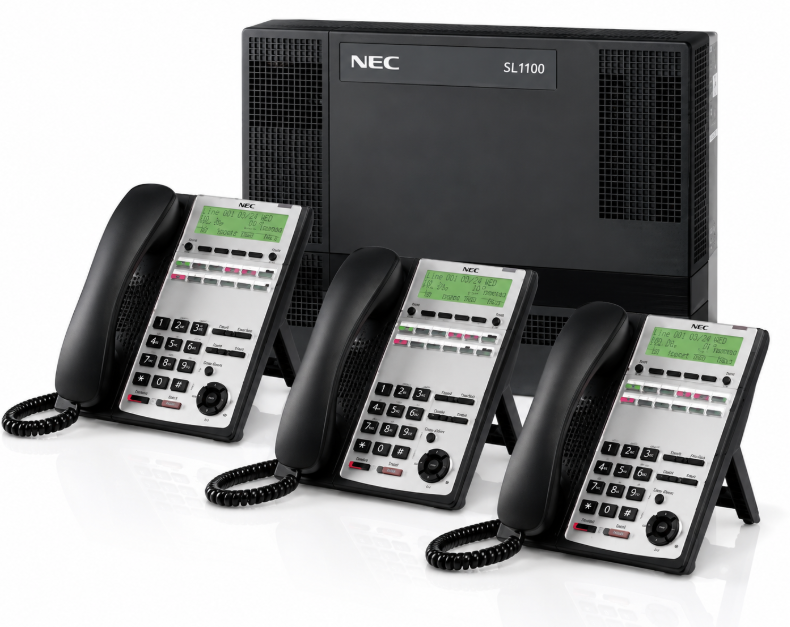
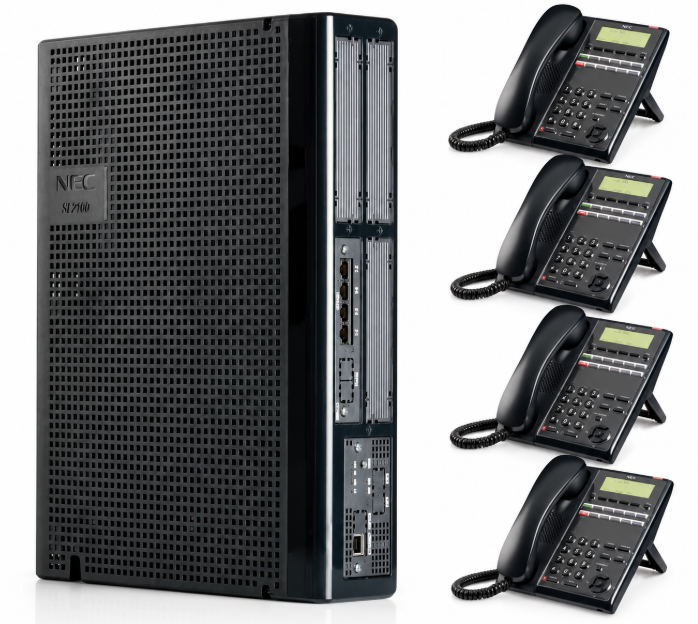
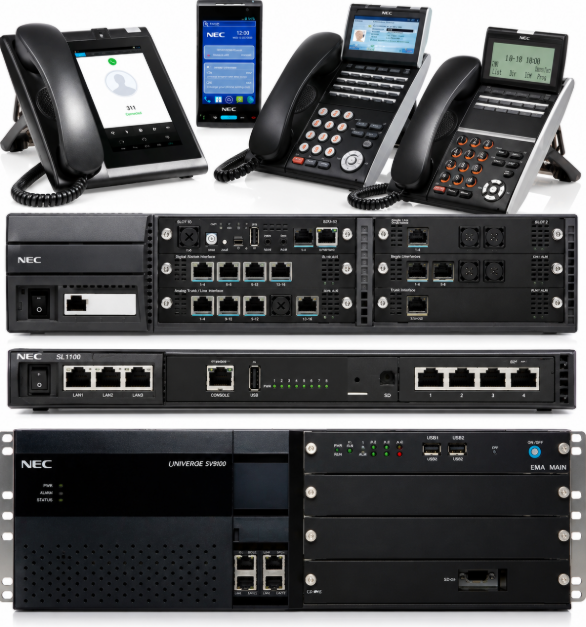
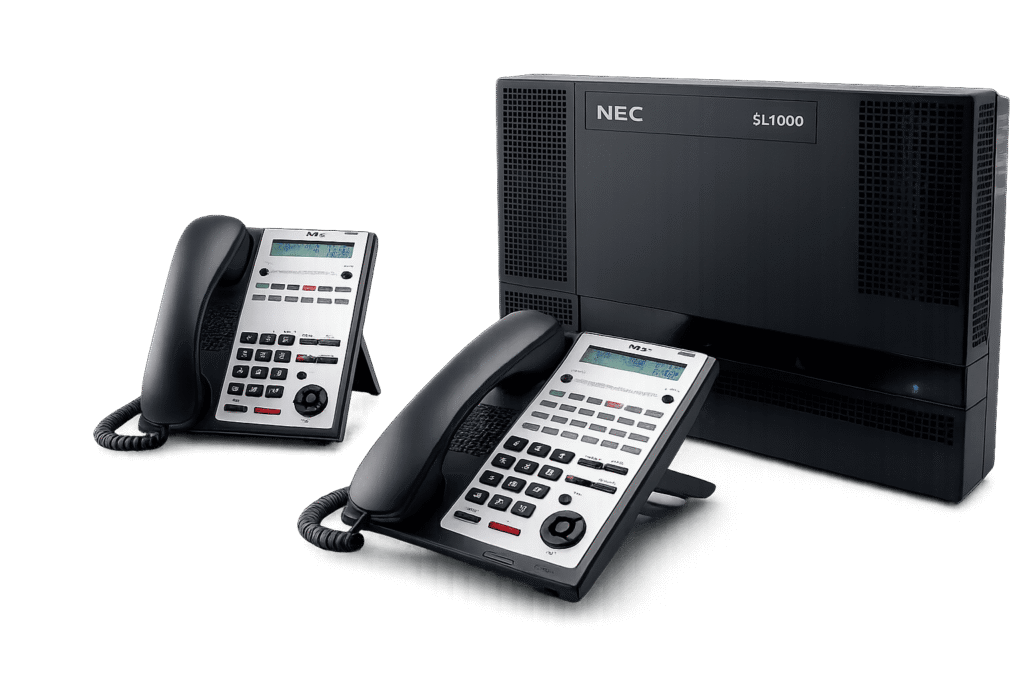
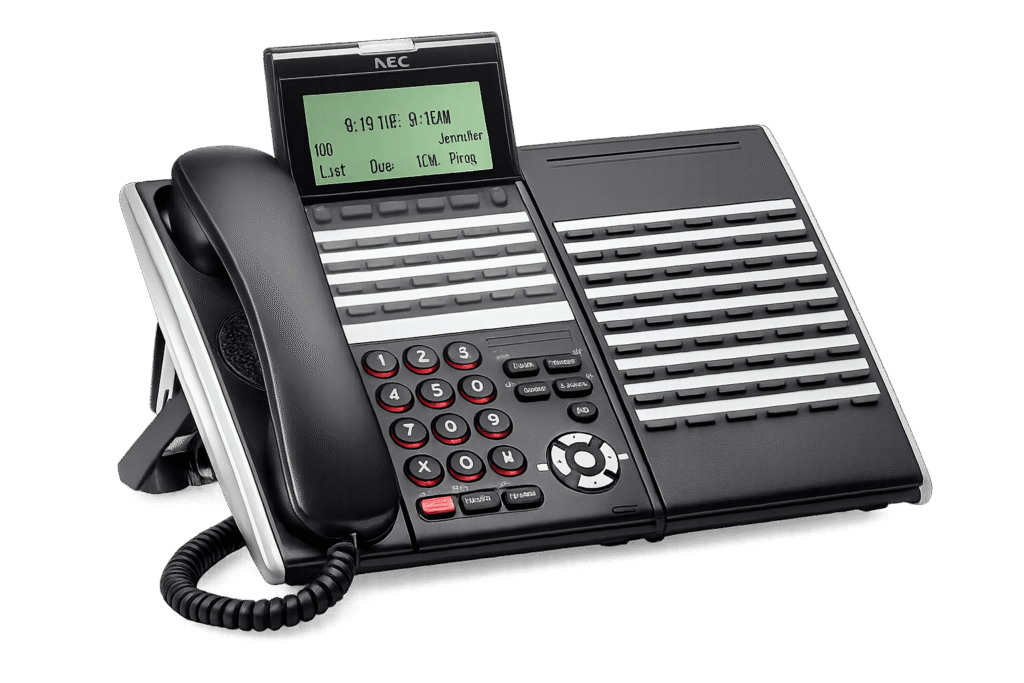
NEC Analog EAPBX
About Crystal EPABX System
What is Crystal EPABX?
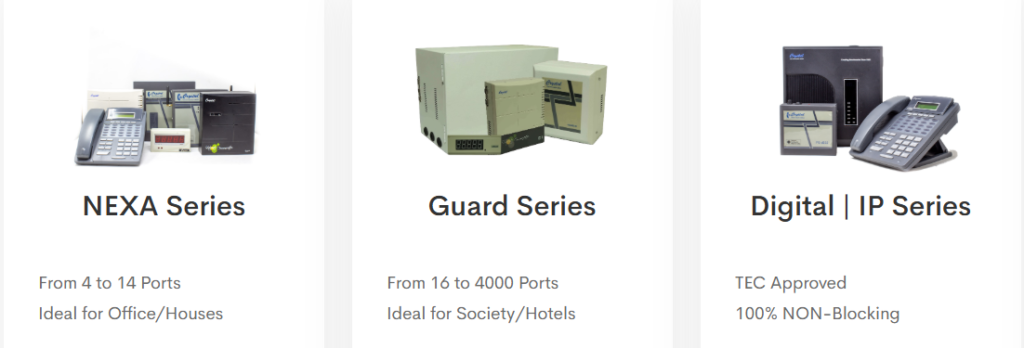
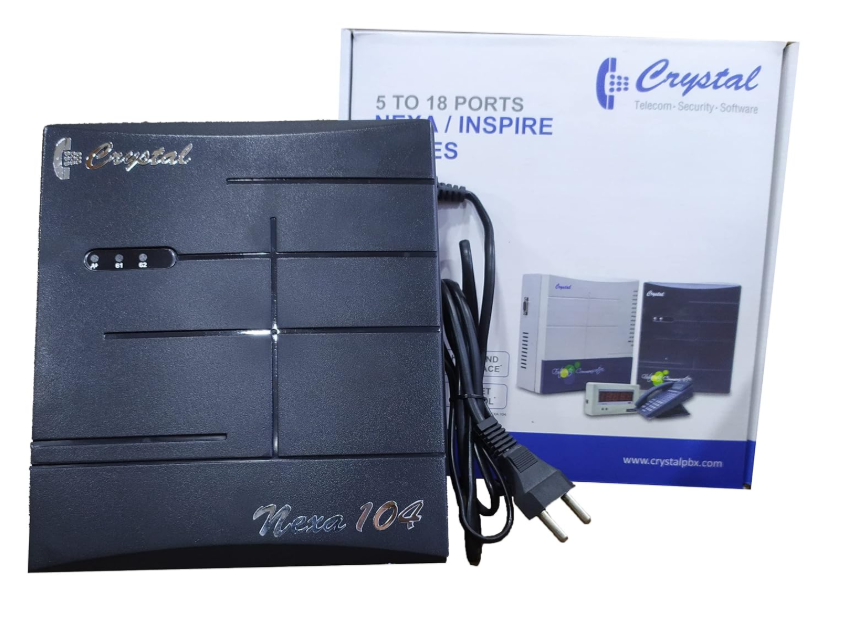
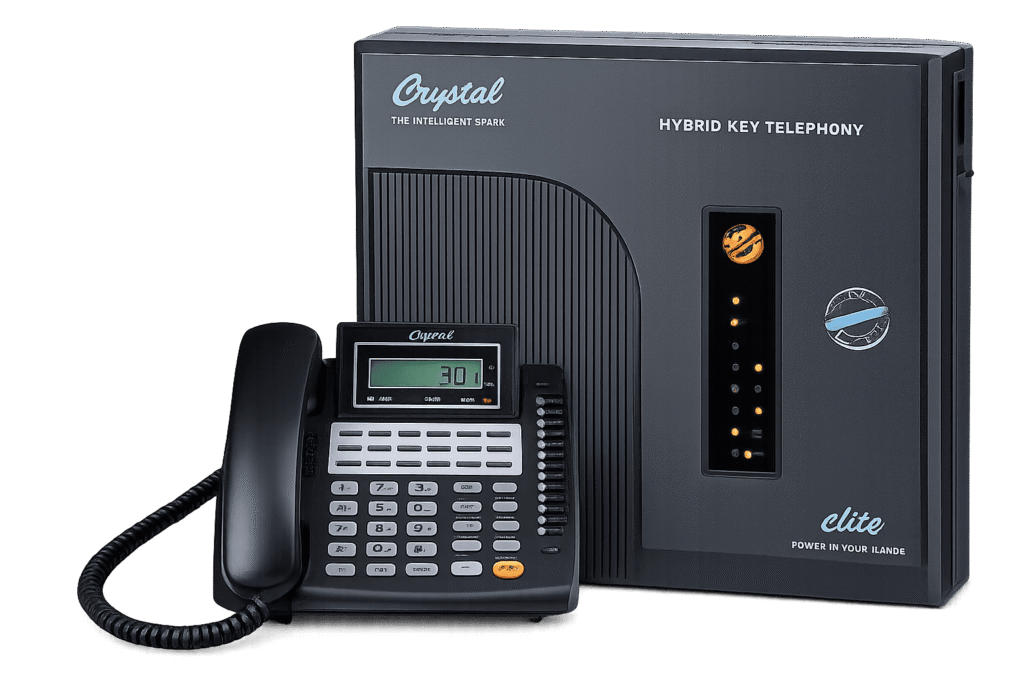
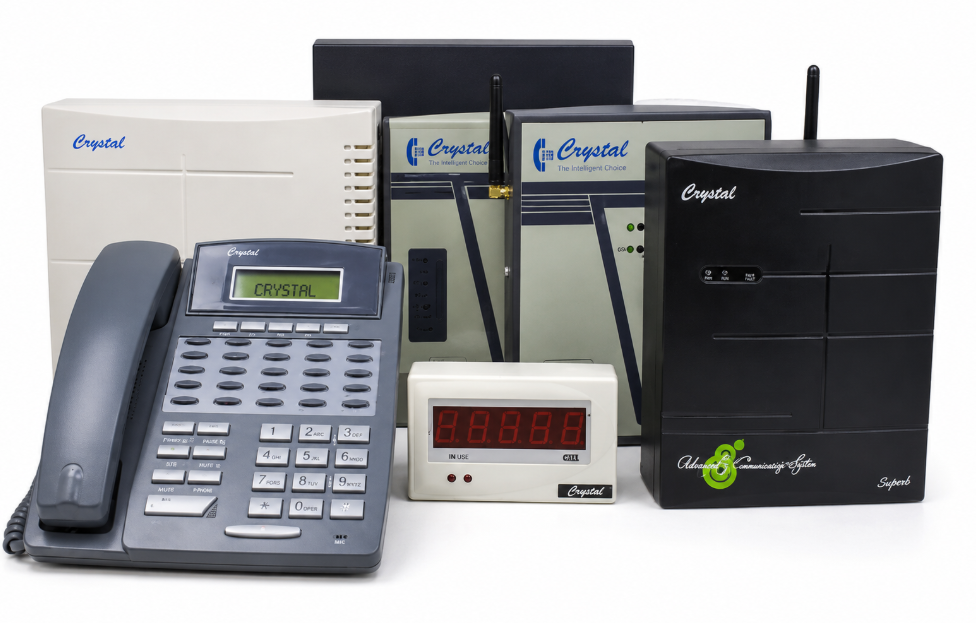
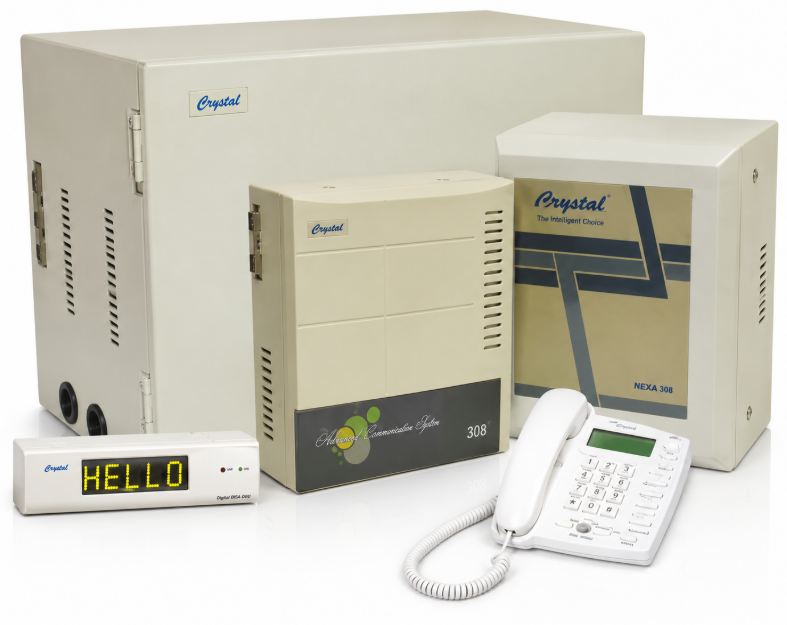
Crystal EPABX is an analog private telephone exchange system that connects multiple telephones (extensions) within an organization. It allows employees to communicate internally without using public telephone lines and efficiently manages incoming and outgoing calls. Crystal EPABX systems are widely used in small and medium-sized businesses because they are simple, reliable, and cost-effective.
History of Crystal EPABX:
Crystal is a well-known Indian brand that has been manufacturing EPABX systems for many years. Its products have become popular in offices, schools, hospitals, hotels, and retail businesses due to their affordability, ease of installation, and dependable performance. Crystal EPABX systems are designed to meet the communication needs of organizations that require a reliable analog telephone solution.
Features of Crystal EPABX:
Crystal EPABX offers a variety of communication features, including extension-to-extension calling, call transfer, call hold, call forwarding, conference calling, caller ID support, music on hold, and day/night mode. Some models also support auto attendant and voice messaging, making business communication more efficient and professional.
Common Crystal Models:
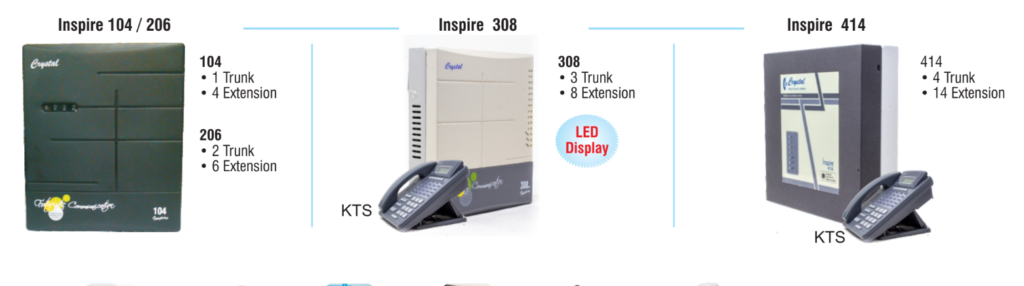
Crystal manufactures several EPABX models for different business sizes. Popular models include Crystal 208, Crystal 308, Crystal 416, and Crystal 616. These systems support different numbers of CO lines and extensions, allowing businesses to choose a model that matches their communication requirements.
Applications of Crystal EPABX:
Crystal EPABX systems are commonly used in offices, schools, hospitals, hotels, banks, factories, shops, and small businesses. They help organizations improve internal communication, reduce telephone costs, and provide better customer service by efficiently handling multiple telephone extensions.
Advantages of Crystal EPABX:
Crystal EPABX is easy to install, simple to operate, and requires minimal maintenance. It provides reliable communication, reduces telephone expenses, supports future expansion, and improves workplace productivity. Its affordable price makes it an excellent choice for small and medium-sized organizations.
Conclusion
Crystal EPABX is a dependable and economical telephone communication system that simplifies call management and enhances internal communication. Its practical features, ease of use, and reliable performance make it a popular choice for businesses looking for an efficient analog telephone solution
About CCL EPABX System
What is CCL EPABX?
CCL (Computer Consoles Limited) is one of India’s leading manufacturers of EPABX, IP PBX, Intercom, and Unified Communication systems. CCL provides reliable and scalable business communication solutions for organizations of all sizes. Its systems are widely used in offices, hotels, hospitals, schools, factories, banks, and government institutions.
History of CCL:
CCL was established in 1983 and has over four decades of experience in the telecommunications industry. The company designs and manufactures communication products in India, focusing on innovative, high-quality, and cost-effective telephone systems for business communication.
Features of CCL EPABX:
CCL EPABX systems provide a wide range of features, including extension dialing, call transfer, call hold, call forwarding, conference calling, caller ID, auto attendant (IVR), voicemail, music on hold, DISA, call recording, and remote extension support. Many models also support SIP trunks and IP telephony, making them suitable for modern communication networks.
Smooth Call Transferring and Forwarding:
This feature allows a call to be transferred or forwarded to the appropriate person or department without disconnecting the caller. It helps businesses route calls quickly and ensures customers reach the right employee. For example, if a customer calls the reception and asks for the Accounts Department, the receptionist can transfer the call directly to the Accounts extension.
Automatic Redialing:
Automatic Redialing enables the telephone to automatically redial a busy or unanswered number. This saves time and eliminates the need to dial the same number repeatedly. For example, if you call your manager and the extension is busy, the phone will continue trying until the line becomes available.
Auto Conferencing:
Auto Conferencing allows three or more people to participate in the same telephone conversation. This feature is useful for meetings, technical support, and discussions involving multiple departments. For example, a Sales Executive can add a Technical Engineer to the call while speaking with a customer.
Call Waiting:
Call Waiting notifies you when another call arrives while you are already on a call. The phone usually gives a beep tone or flashes an indicator light. For example, while speaking with one customer, you hear a beep indicating another customer is calling your extension.
Call Hold:
Call Hold allows you to temporarily place the current caller on hold while you check information or answer another call. The caller remains connected and usually hears music or an announcement. For example, you place a customer on hold while confirming product availability with the warehouse.
Call Park:
Call Park allows a call to be placed on hold and retrieved from a different extension. This feature is useful when the person who needs to answer the call is in another office or department. For example, the receptionist parks a call, and the manager retrieves it from another extension.
Call Hunt:
Call Hunt automatically forwards an incoming call to another available extension if the first extension is busy or does not answer. This helps reduce missed calls and improves customer service. For example, if Sales Extension 201 is busy, the system automatically rings Extension 202.
Music on Hold:
Music on Hold plays music or a recorded message to callers while they are waiting. This keeps callers engaged and provides a professional experience instead of silence. For example, a customer hears background music while waiting for the support team to return to the call.
Make Set Busy:
Make Set Busy temporarily prevents the telephone from ringing during meetings or when the user is unavailable. Incoming callers receive a busy tone or are redirected according to the system settings. For example, a manager activates this feature before attending an important meeting.
Message Waiting Indicator:
The Message Waiting Indicator informs users that a new voicemail has been received. Most telephones display a blinking light or message on the screen until the voicemail is checked. For example, after returning from lunch, an employee notices the message light blinking and listens to the customer’s voicemail.
Last Number Redial:
Last Number Redial allows the telephone to automatically dial the most recently called number without entering it again. This is useful when a call is disconnected or the number is busy. For example, if a supplier’s call drops unexpectedly, pressing the Redial button immediately reconnects the call.
Applications of CCL EPABX:
CCL communication systems are widely used in offices, hotels, hospitals, educational institutions, factories, banks, shopping malls, government organizations, and call centers. They improve internal communication, simplify call management, and enhance customer service.
Conclusion
CCL EPABX is a dependable and feature-rich business communication system designed for organizations of all sizes. With support for analog and IP telephony, advanced call management features, and flexible expansion options, CCL provides an efficient and professional communication solution for modern businesses.
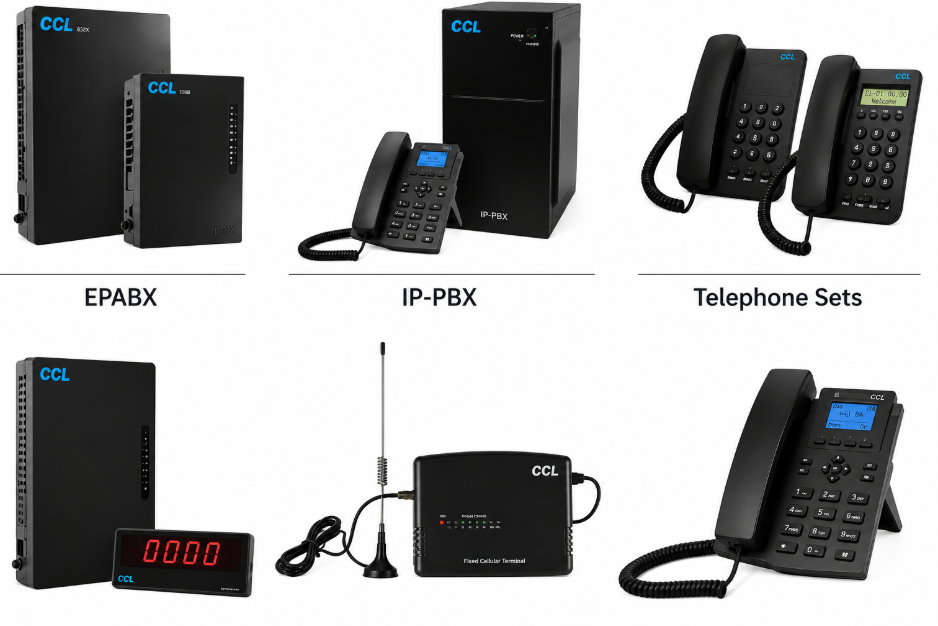
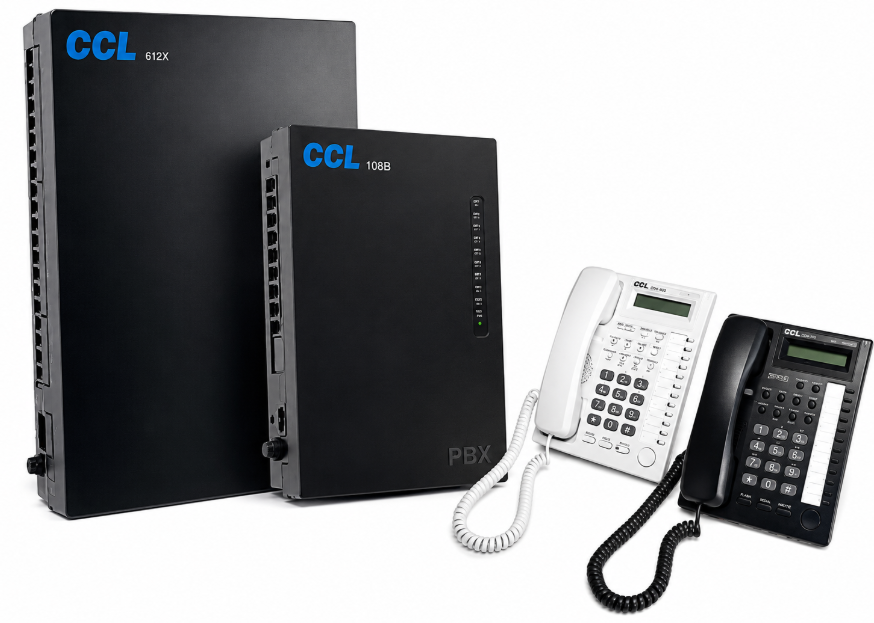
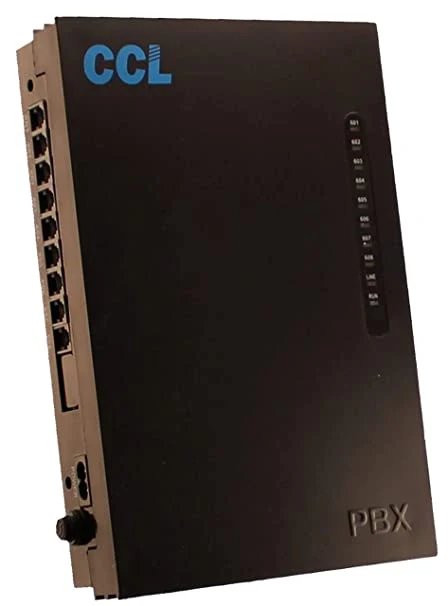
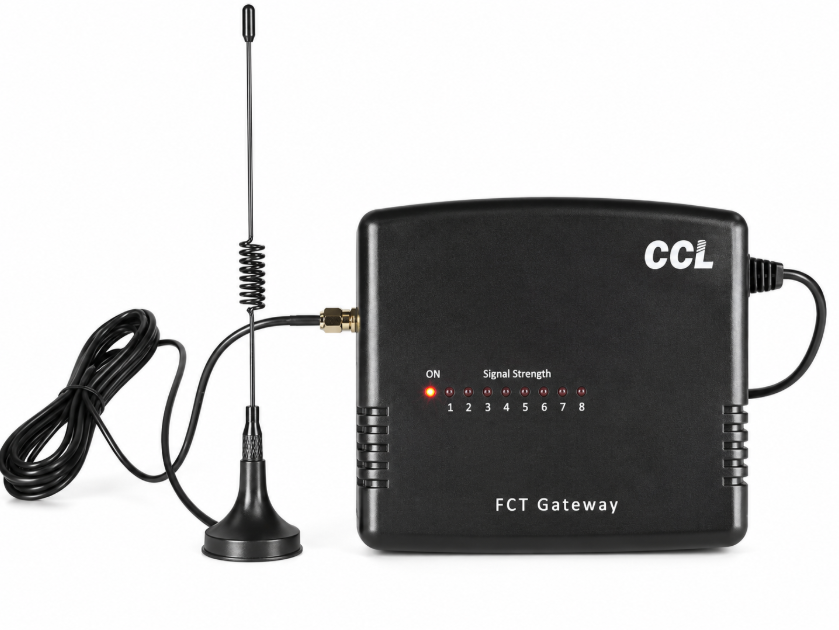
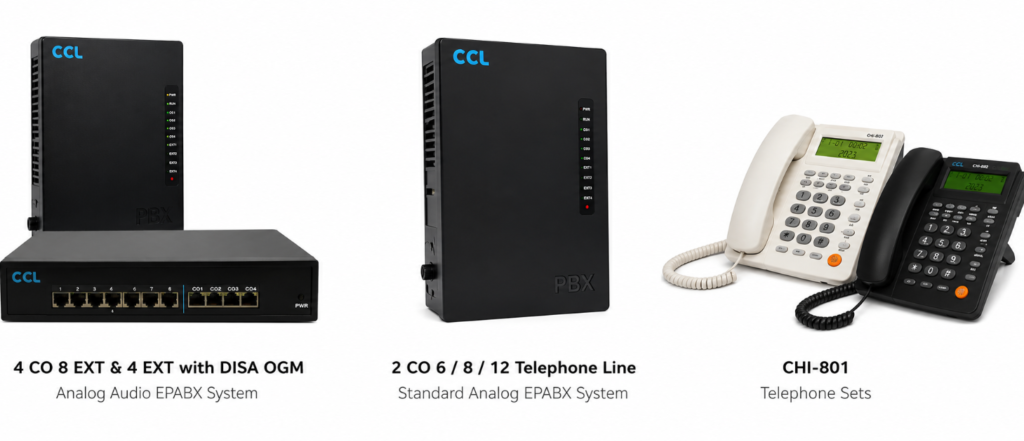
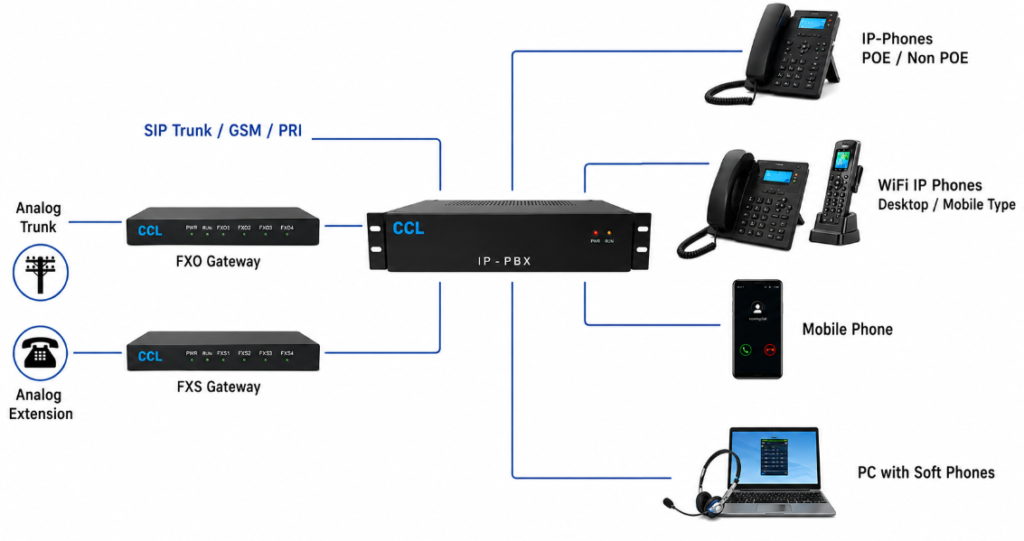
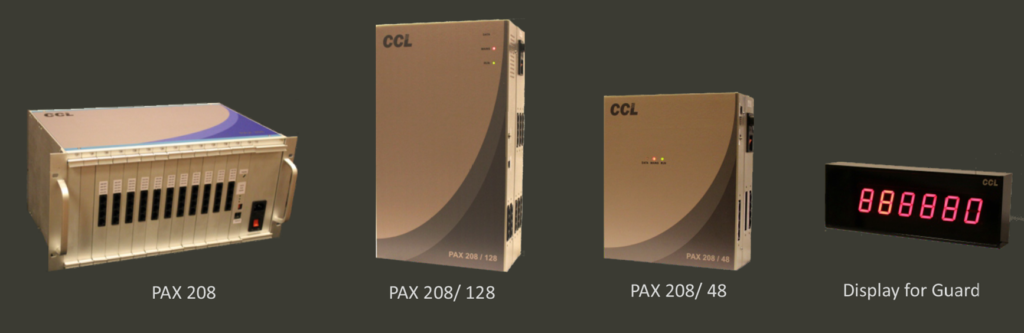

- CCL PBX Model
- Brochure of PBX PDF
- Manual of 108B PBX
- Manual of 206B PBX
- Manual of 308B PBX
- Manual of 312B PBX
- Manual of 216B/ 224B/ 232B PBX
- Manual of 832X Model PBX
- Manual of 8120X Model PBX
- Brochure of DG-Series PBX PDF
- Manual of DG Series 120
- Manual of DG Series 250
- Manual of DG Series 504
- Intercom for Housing Societies
- Intercom for Housing Societies User Manual PDF
About Grandstream
Grandstream is a networking and unified communications company that develops IP PBX systems, IP phones, gateways, networking devices, video conferencing systems, and IP intercoms. Founded in 2002, the company is headquartered in Boston, Massachusetts, USA, and its products are used in more than 150 countries.
Grandstream IP PBX
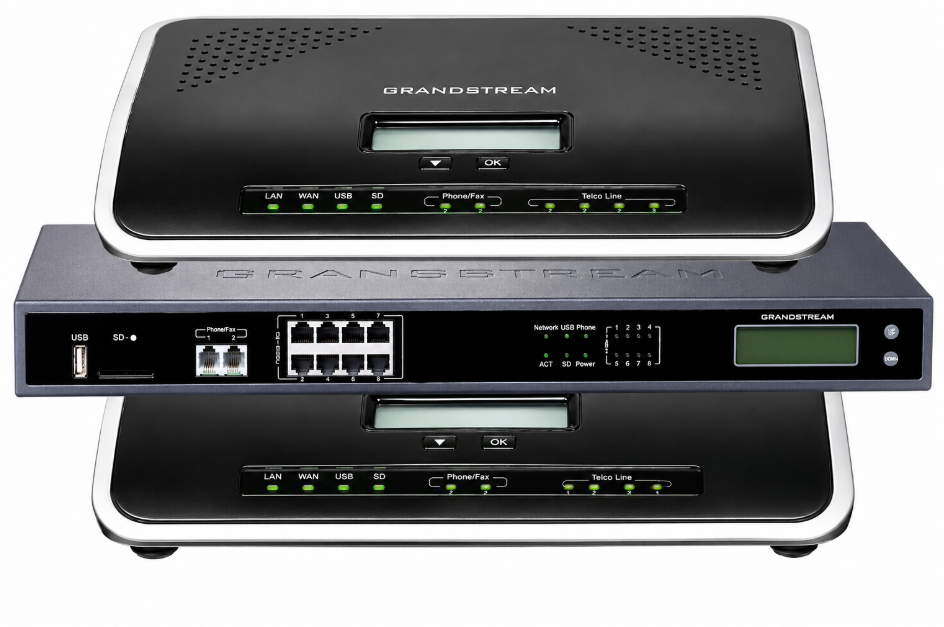
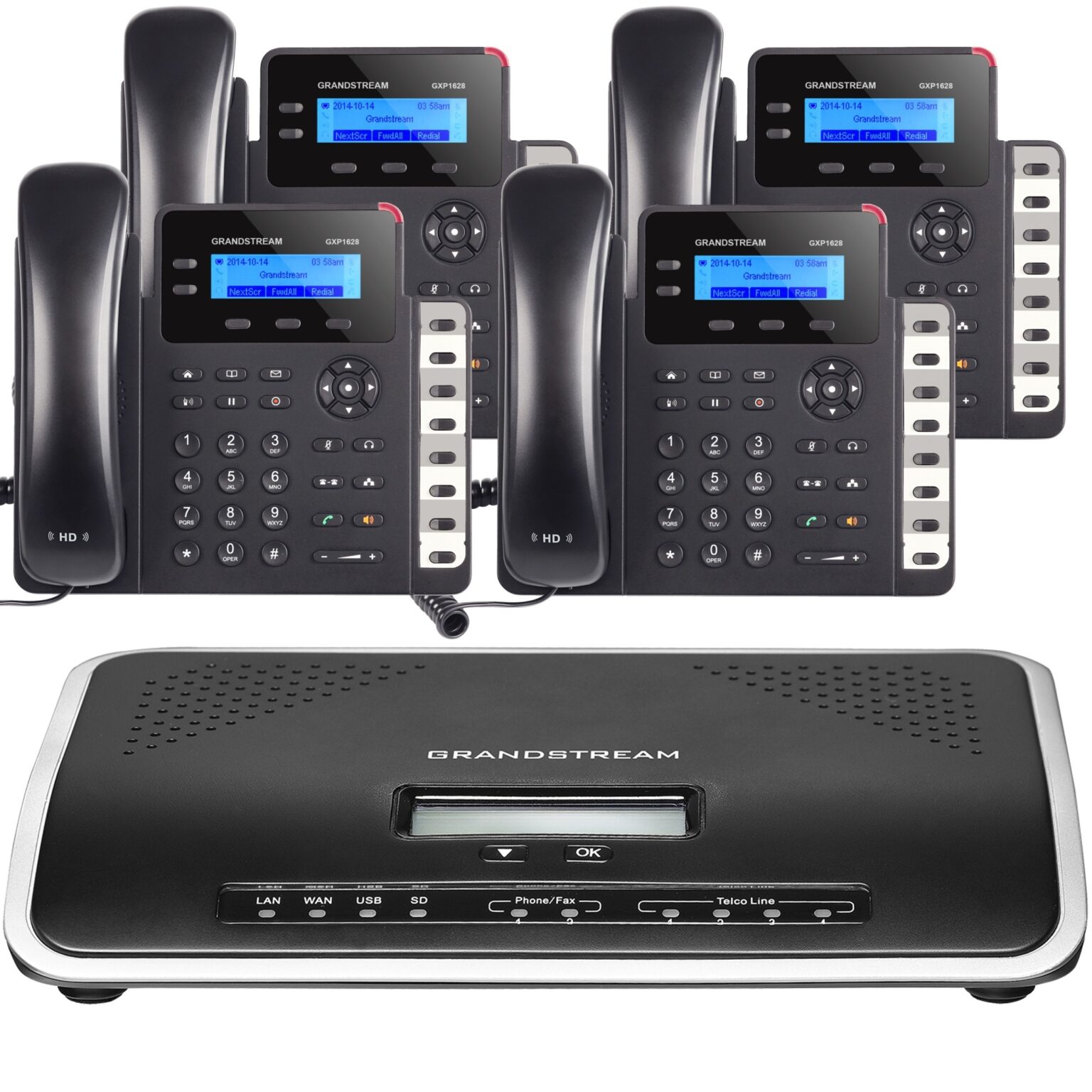
A Grandstream UCM Series IP PBX is a telephone system that manages all business calls. It supports SIP trunks, analog gateways, voicemail, auto attendant (IVR), call recording, remote extensions, and mobile softphones. It can be configured through a web browser, making administration simple.
Example:
A company with 50 employees uses a Grandstream UCM6301. Every employee receives an extension number, and all incoming calls are automatically routed to the correct department using the Auto Attendant.
Grandstream IP Phones
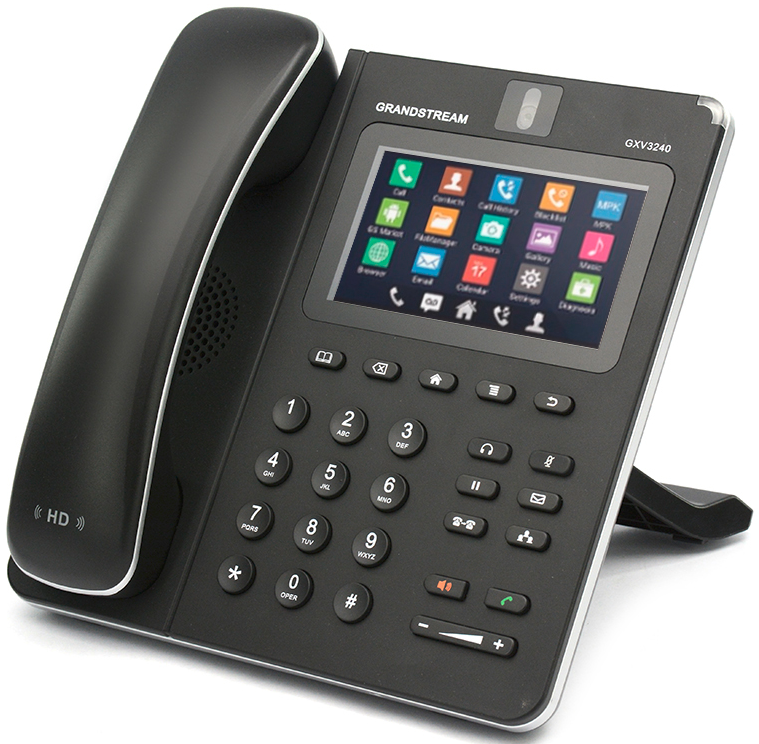
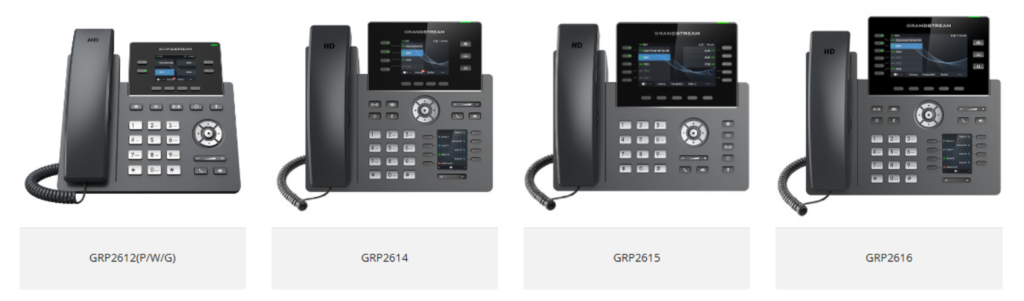
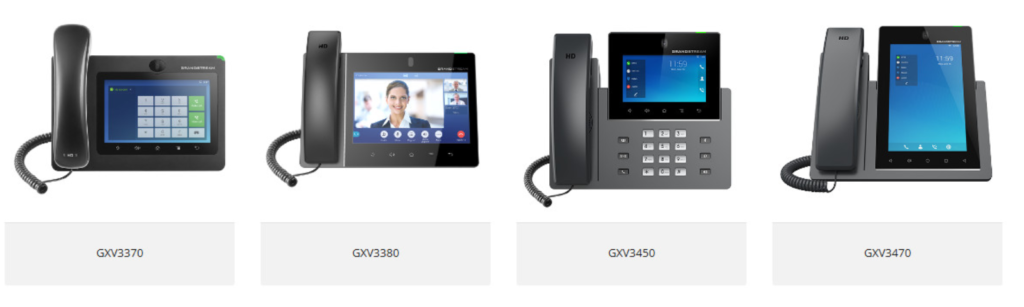
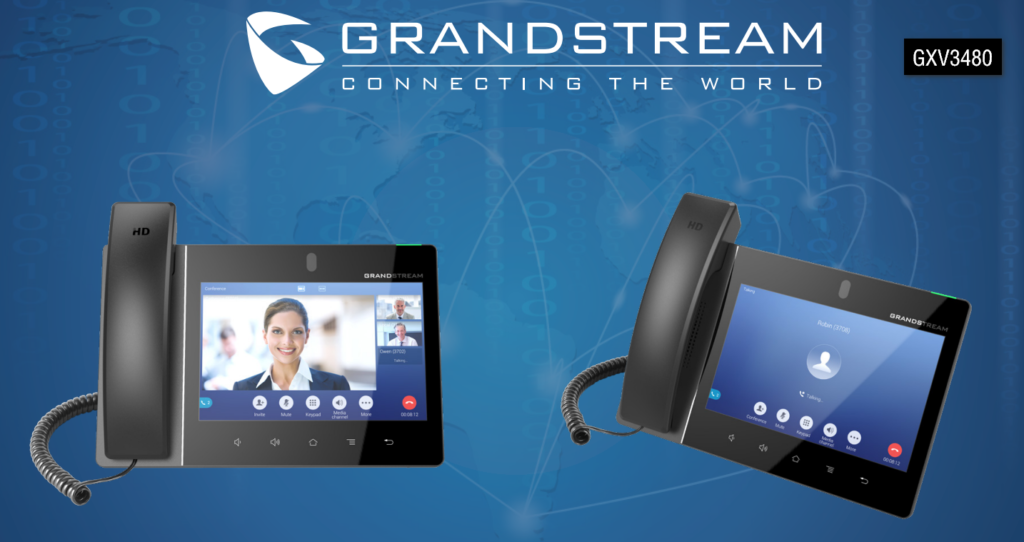
Grandstream IP phones connect to the PBX over a LAN network using Ethernet cables. They provide HD voice quality, caller ID, programmable keys, conference calling, call transfer, and many other advanced telephony features.
Grandstream Wave Softphone
Grandstream Wave is a software-based phone (Softphone) for Android, iPhone, Windows, macOS, and web browsers. It connects to the Grandstream PBX using a SIP account, allowing users to make and receive office calls from anywhere.
Benefits of Grandstream
Grandstream provides a complete communication solution with high-quality voice, web-based management, SIP compatibility, mobile integration, and remote access. It is suitable for small businesses, medium-sized companies, hotels, schools, hospitals, and large enterprises looking for a reliable and scalable telephony system.
Main Grandstream Products:
- UCM Series – IP PBX systems for business communication.
- GRP / GXP Series – SIP IP phones for offices and enterprises.
- WP Series – Wi-Fi IP phones for wireless communication.
- GHP Series – Hotel IP phones with hospitality features.
- HT Series – FXS/FXO VoIP gateways for connecting analog phones and PSTN lines.
- GXW Series – High-density analog VoIP gateways for large deployments.
- GWN Series – Wi-Fi access points, routers, switches, and cloud networking solutions.
- GSC Series – IP intercoms, paging devices, and facility management systems.
- GVC Series – Video conferencing systems for business meetings.
- GDS Series – IP video door systems and access control devices.
- Grandstream Wave – Softphone application for desktop, web, and mobile devices.
- GDMS Platform – Free cloud platform for centralized device management and monitoring.