AMD
What is AMD
What is AMD
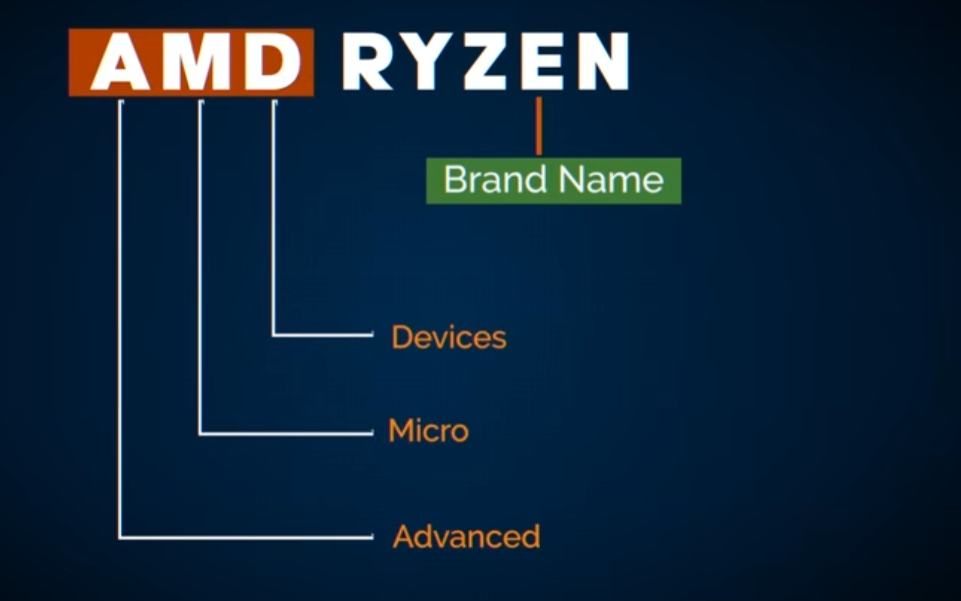
- AMD stands for Advanced Micro Devices, which is a well-known technology company that designs and manufactures computer processors and graphics cards. It is one of the biggest competitors of Intel in the CPU market and NVIDIA in some GPU areas.
- AMD mainly produces CPUs (Central Processing Units) under the Ryzen and Athlon series. These processors are used in desktop computers, laptops, and gaming systems for handling all computing tasks.
- AMD also makes GPUs (Graphics Processing Units) under the Radeon series. These are used for gaming, video editing, 3D rendering, and other graphics-heavy tasks.
- In addition, AMD develops APUs (Accelerated Processing Units), which combine CPU and GPU in a single chip. These are commonly used in budget and mid-range laptops and PCs.
- AMD products are widely used in gaming PCs, professional workstations, servers, and everyday computers because they offer strong performance at competitive prices.
- In short, AMD is a major technology company that produces processors and graphics hardware for computers, laptops, and gaming systems.
History of AMD
- AMD (Advanced Micro Devices) was founded on May 1, 1969 in California, USA by Jerry Sanders and a group of engineers. The company started as a semiconductor manufacturer focused on making computer chips and logic devices.
- In the early years, AMD mainly produced second-source chips for Intel and other companies, meaning they manufactured compatible versions of existing processors to supply the growing computer market.
- During the 1990s and early 2000s, AMD began developing its own processors and became a strong competitor to Intel with its K6 and Athlon processors, which were popular for offering good performance at lower prices.
- In the 2000s to 2010s, AMD faced financial challenges but later regained strength by focusing on innovation. It introduced better CPU architectures and improved energy-efficient designs.
- A major turning point came in 2017 with the launch of the Ryzen processor series, based on the Zen architecture. This made AMD highly competitive again in gaming and high-performance computing.
- Today, AMD is a global leader in CPUs, GPUs, and high-performance computing, competing directly with Intel and NVIDIA in various markets.
- 1969 → AMD founded in California, USA
- 1970s–80s → Made second-source chips for Intel and other companies
- 1990s → Launched K6 processors and entered CPU competition
- 2003 → Released Athlon 64, first 64-bit consumer CPU
- 2011–2016 → Faced financial struggles and strong Intel competition
- 2017 → Ryzen series launched, major comeback with Zen architecture
- Today → Competes strongly with Intel (CPUs) and NVIDIA (GPUs)
AMD Success
- AMD’s success is the result of continuous innovation, competition, and smart product development in the computer hardware industry. The company started in 1969 as a small semiconductor manufacturer, mainly producing chips for other companies. For many years, AMD acted as a “second-source” supplier for Intel-compatible processors.
- In the 1990s, AMD entered the CPU market more strongly with its K6 processor series, which offered good performance at a lower price. This helped AMD gain attention in the budget PC market and start competing directly with Intel.
- A major milestone came in 2003 with the Athlon 64 processor, which became the first 64-bit consumer CPU. This was a big technological achievement and helped AMD gain strong popularity among gamers and PC builders.
- However, between 2011 and 2016, AMD faced financial difficulties and struggled to compete with Intel in performance and efficiency. During this period, Intel dominated the CPU market, while AMD focused on survival and research.
- The biggest turning point in AMD’s history came in 2017 with the launch of the Ryzen processor series, built on the new Zen architecture. Ryzen CPUs delivered high performance, more cores, and better pricing compared to Intel, which completely changed the CPU market.
- After Ryzen, AMD continued to grow with Ryzen 3000, 5000, and 7000 series, becoming very popular in gaming PCs, content creation systems, and high-performance workstations. AMD also expanded into GPUs with the Radeon series and data center processors for servers and cloud computing.
- Today, AMD is considered one of the most successful technology companies in the world, competing strongly with Intel and NVIDIA, especially in the gaming and performance PC market.
AMD Generation (with CPU Models)
- AMD generation refers to different versions of Ryzen processors released over time. Each generation improves performance, efficiency, and features compared to the previous one.
- The first generation (Zen / Ryzen 1000 series, 2017) introduced AMD’s comeback in the CPU market. Popular models include Ryzen 3 1200, Ryzen 5 1600, and Ryzen 7 1800X, which improved multi-core performance compared to older AMD FX CPUs.
- The second generation (Zen+ / Ryzen 2000 series, 2018) improved clock speed and efficiency. Common models include Ryzen 3 2200G, Ryzen 5 2600, and Ryzen 7 2700X, which were widely used for budget gaming PCs.
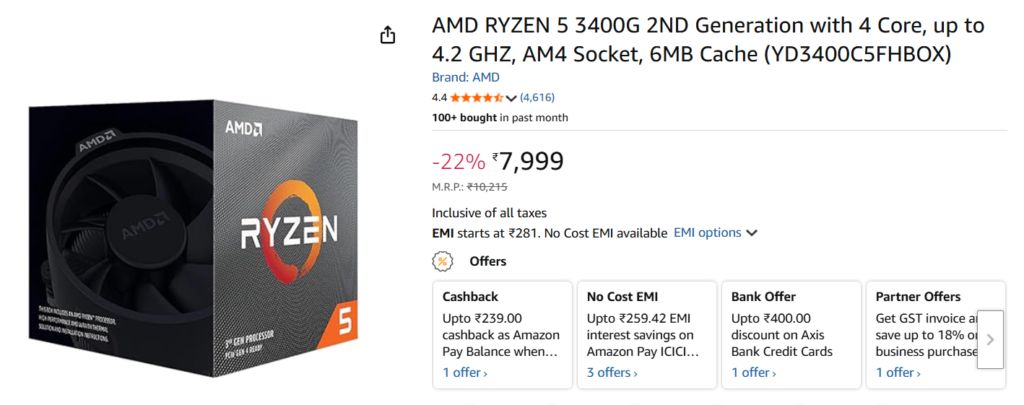
- The third generation (Zen 2 / Ryzen 3000 series, 2019) brought a big performance boost and became very popular. Key models include Ryzen 5 3600, Ryzen 7 3700X, and Ryzen 9 3900X, known for excellent gaming and productivity performance.
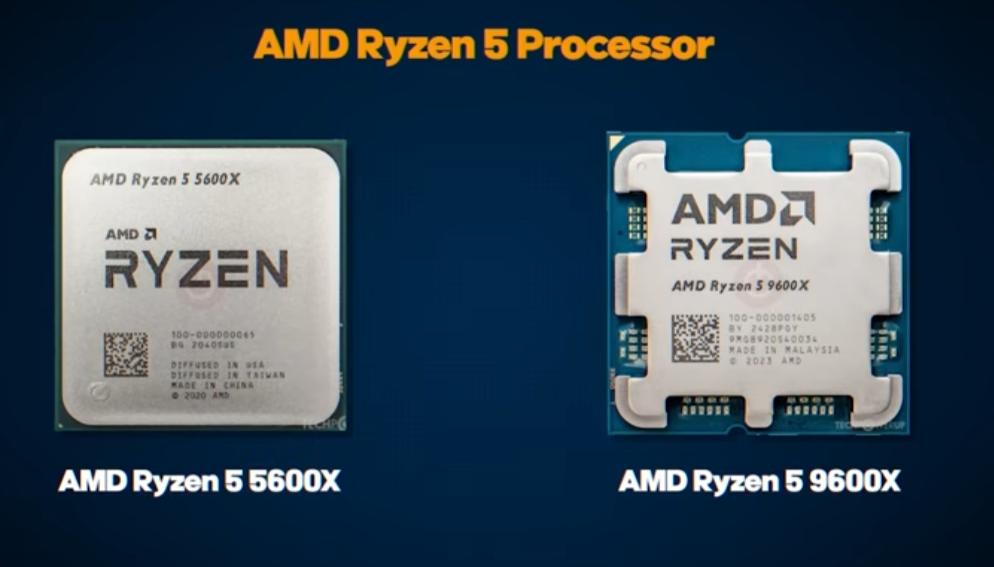
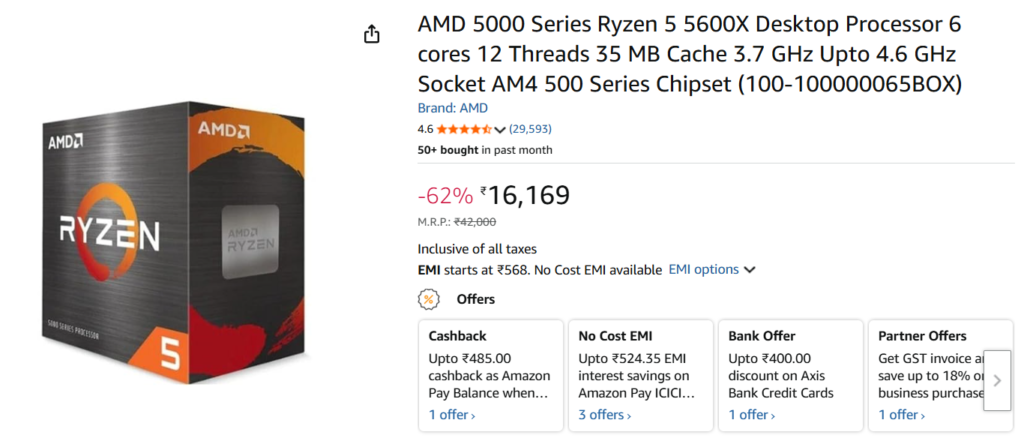
- The fourth generation (Zen 3 / Ryzen 5000 series, 2020) focused on strong gaming performance and efficiency. Popular models include Ryzen 5 5600X, Ryzen 7 5800X, and Ryzen 9 5900X, which became top choices for gamers and creators.
- The fifth generation (Zen 4 / Ryzen 7000 series, 2022) introduced AM5 socket and DDR5 support. Important models include Ryzen 5 7600X, Ryzen 7 7700X, and Ryzen 9 7950X, offering high-end performance for modern systems.
- The latest generation (Zen 5 / Ryzen 8000–9000 series) focuses on AI features and advanced efficiency. Example models include Ryzen 7 8700G and Ryzen 9 9950X, designed for next-generation computing tasks.
Final Line
AMD generations show the evolution of Ryzen CPUs with models from Ryzen 1000 to Ryzen 9000 series, each improving speed, cores, and modern technology support.
- AMD generations show the evolution of Ryzen CPUs with models from Ryzen 1000 to Ryzen 9000 series, each improving speed, cores, and modern technology suppor
- Ryzen 1000 (Zen 1) → Ryzen 3 1200, Ryzen 5 1600, Ryzen 7 1800X
- Ryzen 2000 (Zen+) → Ryzen 3 2200G, Ryzen 5 2600, Ryzen 7 2700X
- Ryzen 3000 (Zen 2) → Ryzen 5 3600, Ryzen 7 3700X, Ryzen 9 3900X
- Ryzen 5000 (Zen 3) → Ryzen 5 5600X, Ryzen 7 5800X, Ryzen 9 5900X
- Ryzen 7000 (Zen 4) → Ryzen 5 7600X, Ryzen 7 7700X, Ryzen 9 7950X
- Ryzen 8000/9000 (Zen 5) → Ryzen 7 8700G, Ryzen 9 9950X
AMD CPU Model List
- AMD CPUs are divided into different series based on performance levels, starting from budget use to extreme workstation and server use.
- The Athlon series is AMD’s entry-level lineup designed for basic computing tasks. Models like Athlon 200GE and Athlon 3000G are used in low-cost PCs for browsing, office work, and study purposes.
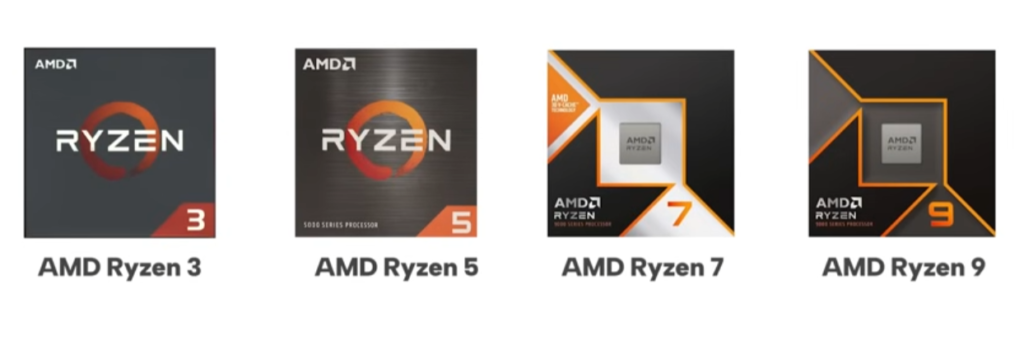
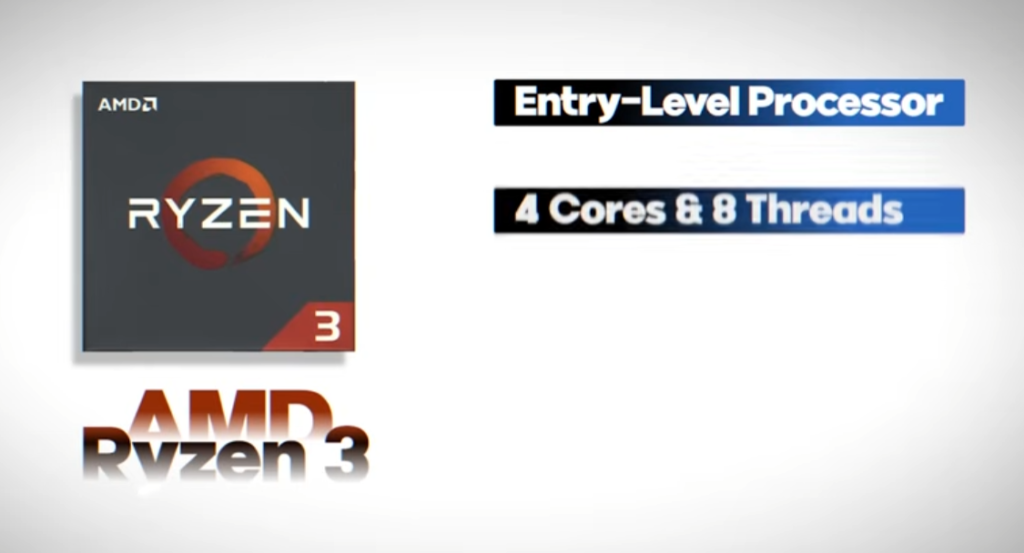
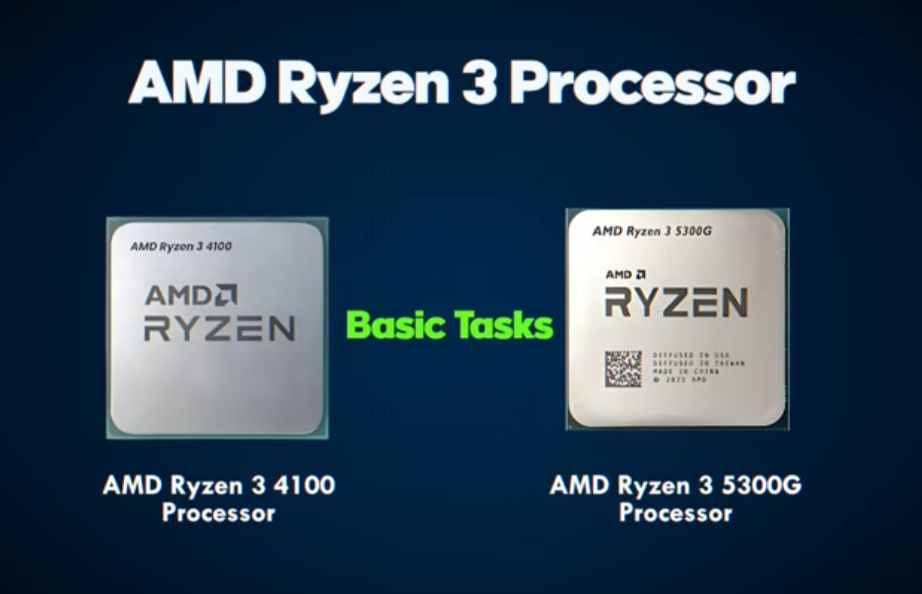
- The Ryzen 3 series is the entry-level performance range. Models such as Ryzen 3 1200, Ryzen 3 3100, and Ryzen 3 5300G are suitable for daily use, light gaming, and budget systems.
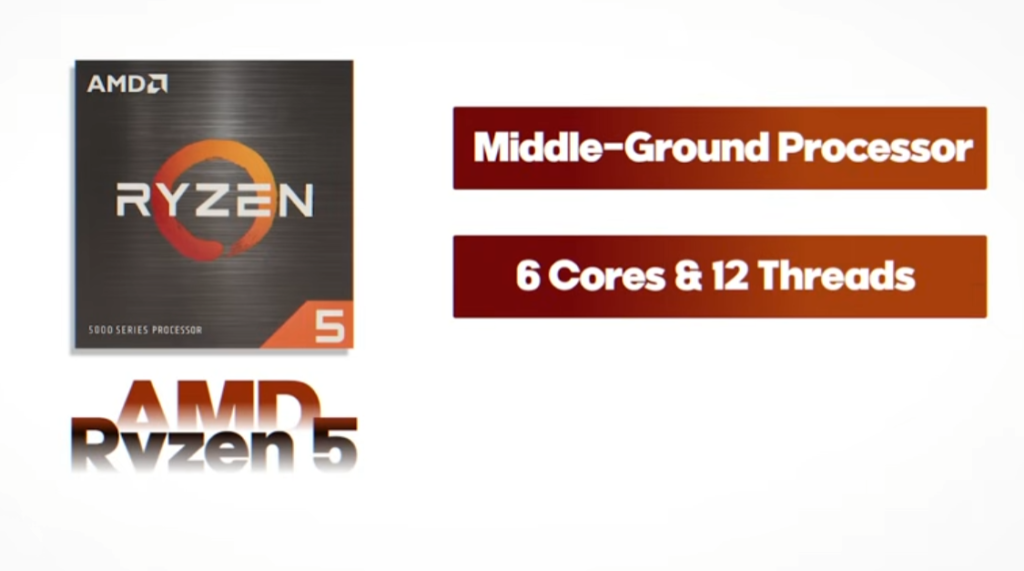
- The Ryzen 5 series is the most popular and balanced category. CPUs like Ryzen 5 3600, Ryzen 5 5600X, and Ryzen 5 7600X are widely used for gaming, multitasking, and content creation.
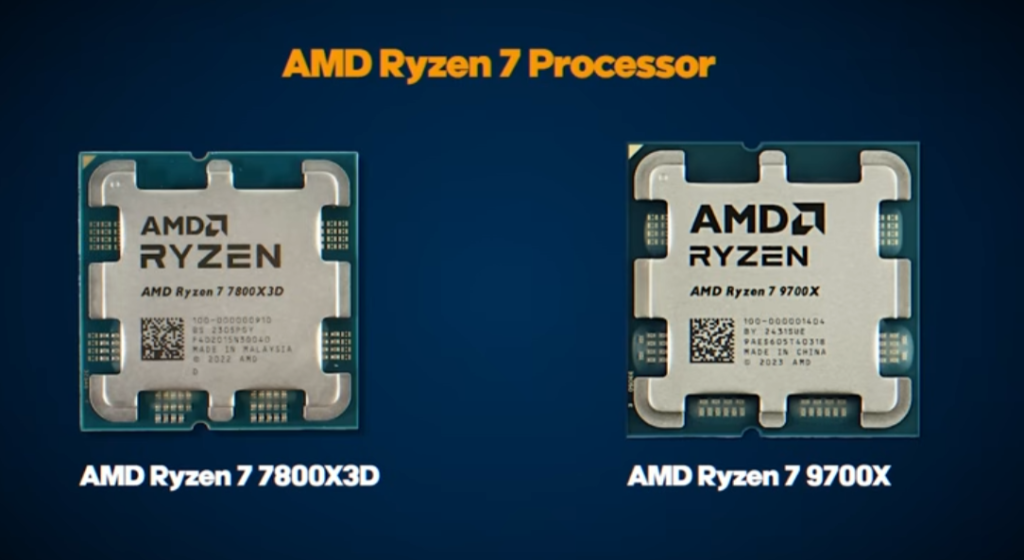
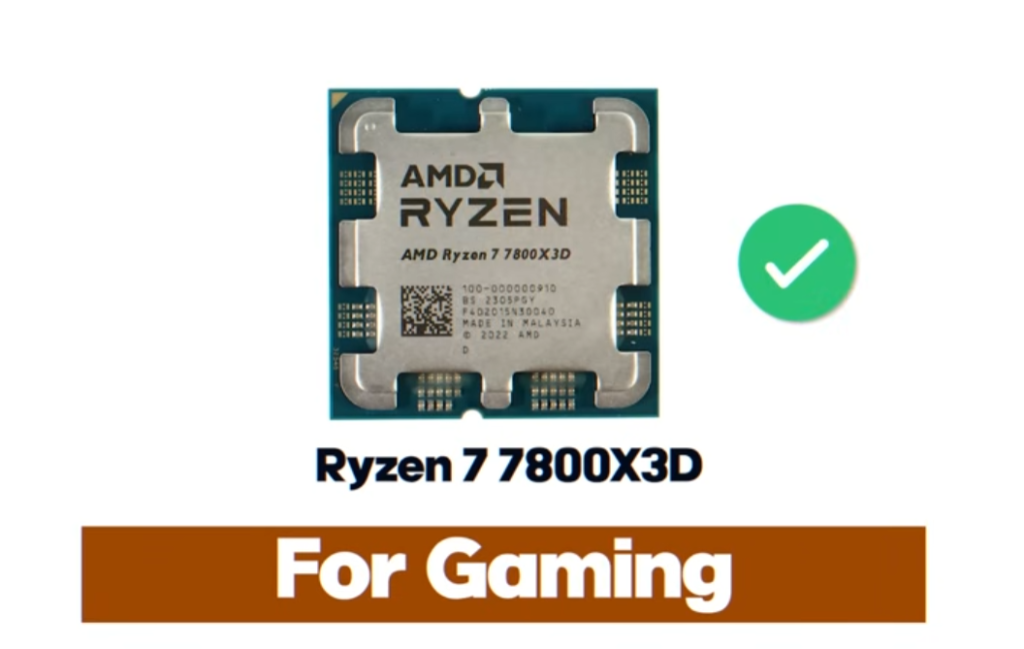
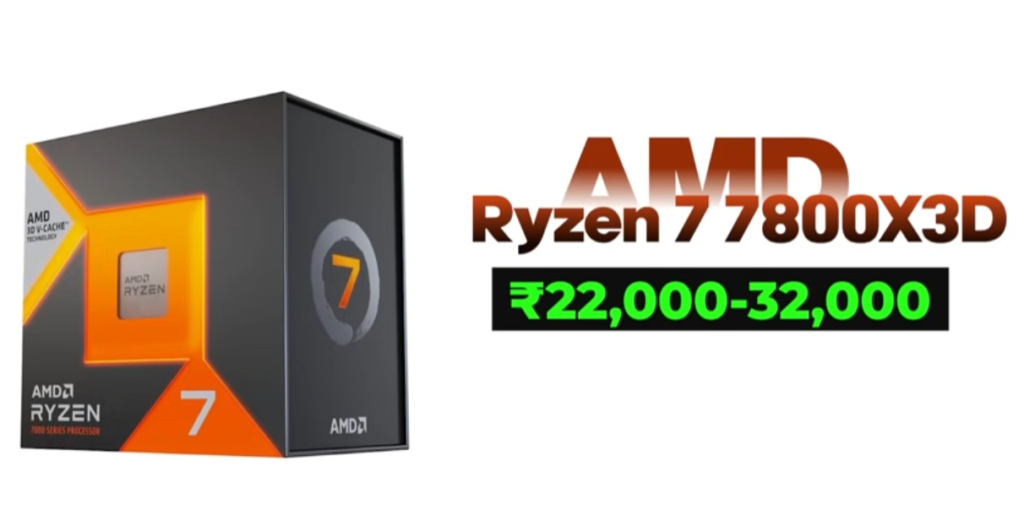
- The Ryzen 7 series offers high performance for demanding users. Models like Ryzen 7 3700X, Ryzen 7 5800X, and Ryzen 7 7800X3D are used for heavy gaming, streaming, and professional editing.
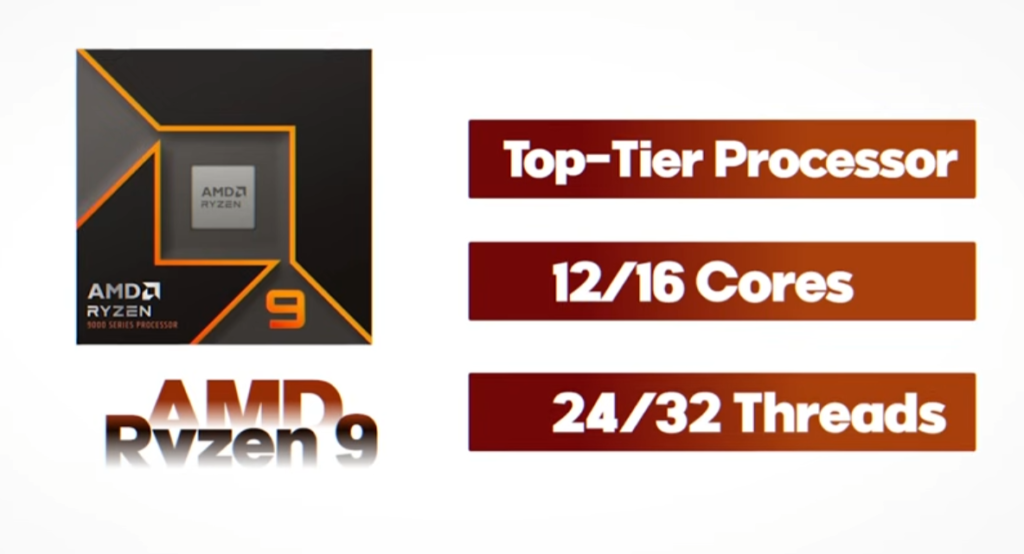
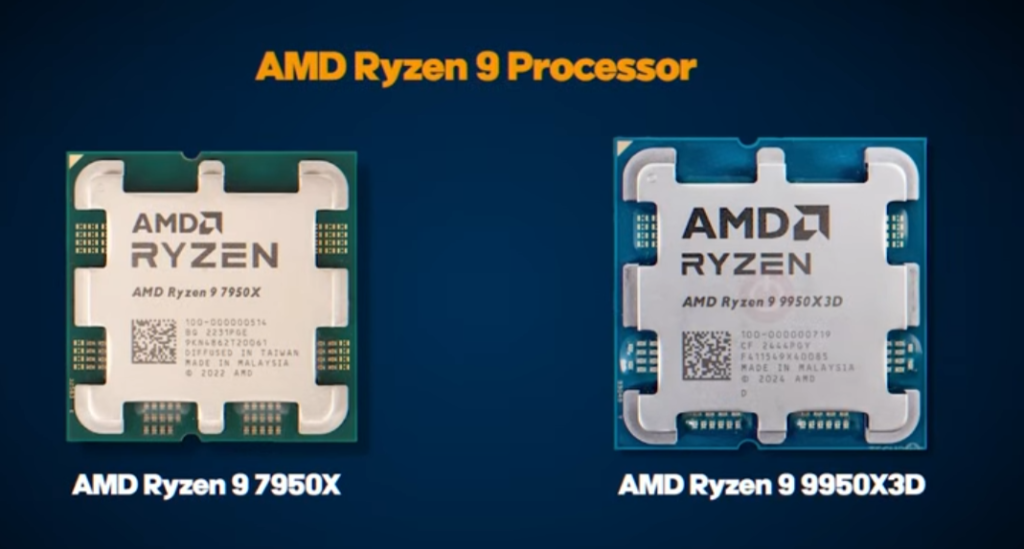
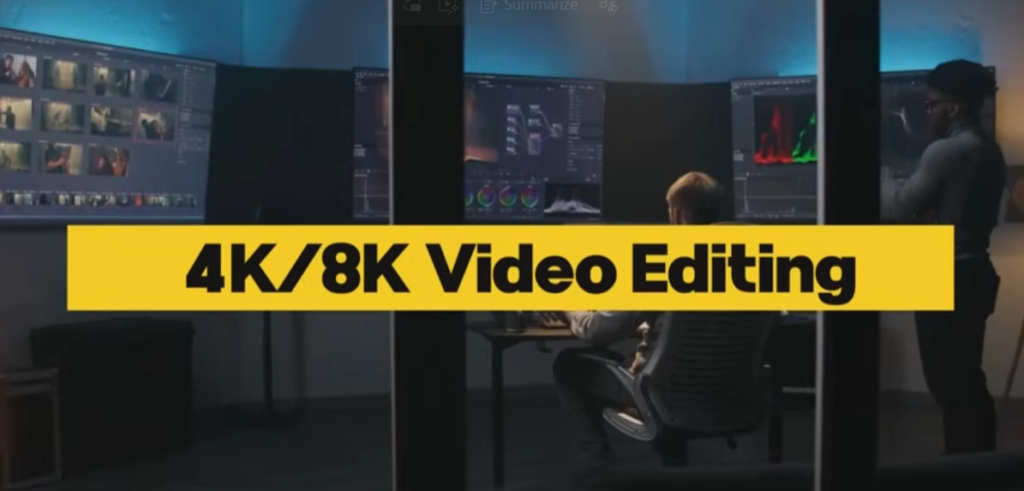
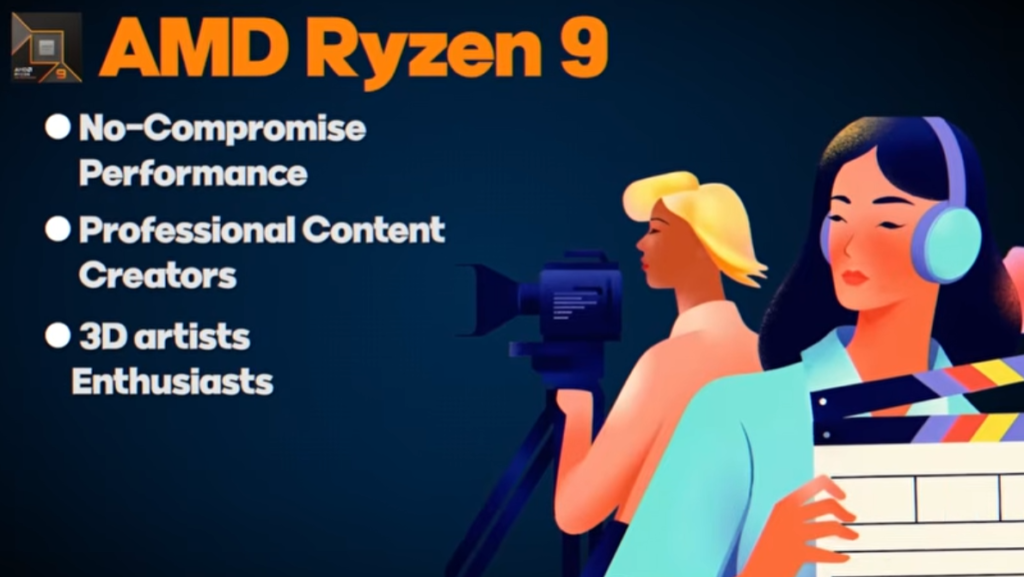
- The Ryzen 9 series is AMD’s extreme performance lineup. CPUs like Ryzen 9 5900X, Ryzen 9 7950X, and Ryzen 9 9950X are designed for 4K/8K editing, AI workloads, and workstation tasks.
- Apart from Ryzen, AMD also produces Threadripper processors, such as 3960X and 5995WX, which are used in high-end workstations for rendering and scientific computing. For servers, AMD uses the EPYC series, designed for data centers and cloud computing.
- Athlon → 200GE, 3000G → Basic PC, office use
- Ryzen 3 → 1200, 3100, 5300G → Budget gaming + daily use
- Ryzen 5 → 3600, 5600X, 7600X → Best value gaming + editing
- Ryzen 7 → 3700X, 5800X, 7800X3D → High performance gaming + work
- Ryzen 9 → 5900X, 7950X, 9950X → Extreme performance + AI work
- Threadripper → 3960X, 5995WX → Workstation / rendering
- EPYC → Server CPUs → Data center / cloud systems
AMD Athlon Series
- Athlon 200GE
Entry-level desktop processor based on AM4 socket platform, supports DDR4 RAM up to around 2666MHz, designed for basic computing like web browsing, office work, online classes, and light multimedia usage with integrated Radeon Vega 3 graphics for display output without a dedicated GPU. - Athlon 220GE
AM4 socket desktop CPU with DDR4 memory support, slightly improved clock speed over 200GE, suitable for very low-budget PCs for daily tasks, simple productivity work, and smooth basic system performance with Vega 3 graphics. - Athlon 240GE
AM4 socket processor with DDR4 RAM support, offers better performance among early Athlon APUs, still focused on entry-level computing such as document work, browsing, and video playback with integrated Vega graphics. - Athlon 3000G
AM4 socket dual-core processor with SMT (4 threads) support, DDR4 RAM compatibility with support for higher speeds via overclocking, includes Radeon Vega 3 graphics, best-known budget AMD CPU for very cheap gaming and office PCs. - Athlon 3000GE
AM4 socket low-power 35W version of 3000G, supports DDR4 RAM, designed for energy-efficient desktop systems, mini PCs, and always-on office machines with reduced heat output and stable performance.
Laptop Athlon Series (Mobile – BGA Soldered)
- Athlon 300U
Mobile processor with FP5 socket (BGA soldered, not upgradeable), supports DDR4 or LPDDR memory depending on laptop design, optimized for battery efficiency, basic multitasking, and everyday productivity tasks. - Athlon Gold 3150U
FP5 mobile platform CPU with DDR4/LPDDR4x RAM support, improved performance over earlier Athlon mobile chips, suitable for budget laptops used for study, office work, and browsing. - Athlon Silver 3050U / 3050C
Entry-level laptop processors using FP5/FP6 platform, support DDR4 or LPDDR4x RAM, designed for very basic computing tasks like web browsing, online learning, and office applications with low power consumption.
Ryzen 3 3000 Series CPU Models:
- Ryzen 3 3100
Zen 2 desktop processor with 4 cores and 8 threads, designed for budget gaming, multitasking, streaming, and daily computing performance. Uses the AM4 socket and supports DDR4 RAM with PCIe 4.0 support for newer graphics cards and SSDs. - Ryzen 3 3300X
Powerful Ryzen 3 gaming processor based on Zen 2 architecture with 4 cores and 8 threads, delivering excellent single-core and gaming performance for budget gaming PCs. Uses AM4 socket and supports DDR4 memory. - Ryzen 3 3200G
Desktop APU with integrated Radeon Vega 8 graphics, suitable for office work, multimedia, and light gaming without needing a dedicated graphics card. Uses AM4 socket and supports DDR4 RAM, but internally based on older Zen+ architecture. - Ryzen 3 3200GE
Low-power version of the 3200G with 35W TDP, integrated Vega graphics, lower heat output, and efficient performance for mini PCs and office systems. Uses AM4 socket and DDR4 memory support.
Ryzen 3 3000 Series Specifications:
- Socket Type: AM4
- RAM Support: DDR4 RAM
- Architecture: Zen 2 (3100 and 3300X)
- PCIe Support: PCIe 4.0 (3100 and 3300X)
- Manufacturing Process: 7nm
- Best For: Budget gaming, office PCs, entry-level streaming, and multimedia systems
Ryzen 3 4000 Series CPU Models:
- Ryzen 3 4100
Zen 2 desktop processor with 4 cores and 8 threads, designed for budget gaming and multitasking performance. Uses the AM4 socket and supports DDR4 RAM, making it compatible with most AMD 400 and 500 series motherboards. - Ryzen 3 4300G
Desktop APU featuring 4 cores, 8 threads, and built-in Radeon graphics for gaming and everyday work without a dedicated GPU. Uses AM4 socket and supports DDR4 memory with integrated graphics support. - Ryzen 3 4300GE
Low-power 35W version of the 4300G with integrated Radeon graphics, lower heat generation, and efficient power consumption for office PCs and mini systems. Uses AM4 socket and supports DDR4 RAM.
Ryzen 3 4000 Series Specifications:
- Socket Type: AM4
- RAM Support: DDR4 RAM
- Architecture: Zen 2
- PCIe Support: PCIe 3.0
- Manufacturing Process: 7nm
- Best For: Budget gaming, office PC, multimedia, and entry-level builds
Ryzen 3 5000 Series CPU Models
- Ryzen 3 5100
Budget desktop processor based on Zen 3 architecture with 4 cores and 8 threads, offering improved gaming, multitasking, and overall system performance compared to older Ryzen 3 processors. Uses the AM4 socket and supports DDR4 RAM. - Ryzen 3 5300G
Desktop APU with 4 cores, 8 threads, and built-in Radeon graphics, designed for office work, multimedia, casual gaming, and systems that do not require a dedicated graphics card. Uses AM4 socket and supports DDR4 memory. - Ryzen 3 5300GE
Low-power version of the Ryzen 3 5300G with 35W TDP, integrated Radeon graphics, lower heat output, and efficient performance for compact PCs and office systems. Uses AM4 socket and DDR4 RAM.
Ryzen 3 5000 Series Specifications:
- Socket Type: AM4
- RAM Support: DDR4 RAM
- Architecture: Zen 3
- PCIe Support: PCIe 4.0
- Manufacturing Process: 7nm
- Best For: Budget gaming, office PCs, multimedia, streaming, and entry-level productivity systems
Ryzen 3 7000 Series (Desktop / Mobile Entry Level)
- Ryzen 3 7320U
Modern entry-level mobile processor based on Zen 2 (4 cores and 8 threads), designed for thin and light laptops, offering smooth performance for browsing, office work, online classes, and basic multitasking with good battery efficiency. Uses FP6/FP7 mobile socket platform and supports LPDDR5 RAM. - Ryzen 3 7330U
Slightly higher-clocked mobile processor with 4 cores and 8 threads, built for everyday productivity, light multitasking, and efficient laptop performance. Uses mobile FP7 platform and supports DDR4/LPDDR4x RAM depending on OEM design.
Ryzen 3 7000 Series Specifications:
- Socket Type: Mobile FP6 / FP7 (laptops)
- RAM Support: LPDDR5 / DDR4 / LPDDR4x (depends on model)
- Architecture: Zen 2 (entry models like 7320U)
- Manufacturing Process: 6nm / 7nm (varies by chip)
- Best For: Budget laptops, office work, study, web browsing, and light productivity
Ryzen 5 3000 Series CPU Models
Ryzen 5 3000 Desktop CPUs (Zen 2)
- Ryzen 5 3500
6 cores and 6 threads entry gaming CPU, designed for budget gaming PCs, good for esports titles and daily multitasking, uses AM4 socket and supports DDR4 RAM. - Ryzen 5 3500X
6 cores and 6 threads, slightly higher clocked version of 3500, strong single-core performance for gaming, popular in budget gaming builds, AM4 socket with DDR4 support. - Ryzen 5 3600
6 cores and 12 threads, one of the most popular Ryzen CPUs, excellent gaming + productivity balance, very good multitasking and streaming performance, AM4 socket with DDR4 RAM support. - Ryzen 5 3600X
Higher-clocked version of 3600 with better boost performance, improved cooling headroom, strong gaming and productivity CPU, AM4 socket and DDR4 support. - Ryzen 5 3600XT
Refined version of 3600X with slightly higher boost clocks, improved efficiency and gaming performance, AM4 socket with DDR4 support.
Ryzen 5 4000 Series CPU Models
Ryzen 5 4000 Desktop (OEM / Zen 2)
- Ryzen 5 4500
6 cores and 6 threads desktop processor based on Zen 2 architecture, designed for budget gaming and general use, good performance for esports titles and everyday multitasking, uses AM4 socket and supports DDR4 RAM. - Ryzen 5 4600G
6 cores and 12 threads desktop APU with integrated Radeon graphics, suitable for gaming without a GPU, strong productivity and multitasking performance, AM4 socket with DDR4 support. - Ryzen 5 4600GE
Low-power 35W version of 4600G, same 6 cores and 12 threads with integrated graphics, designed for compact PCs and energy-efficient systems, AM4 socket and DDR4 RAM support.
Ryzen 5 4000 Mobile (Laptop Series – Zen 2 / Zen 3 mix depending model)
- Ryzen 5 4500U
6 cores and 6 threads mobile processor for thin laptops, good battery life and performance balance, used for office work, study, and light multitasking. - Ryzen 5 4600U
6 cores and 12 threads mobile CPU, strong laptop performance for productivity, multitasking, and light creative work.
Ryzen 5 4000 Series Specifications:
- Socket Type: AM4 (Desktop) / FP6 (Laptop)
- RAM Support: DDR4 / LPDDR4x (mobile depends on laptop)
- Architecture: Zen 2 (desktop 4500/4600G)
- Manufacturing Process: 7nm
- Best For: Budget gaming PCs, office systems, laptops, and entry-level productivity builds
Ryzen 5 5000 Series CPU Models
Ryzen 5 5000 Desktop (Zen 3)
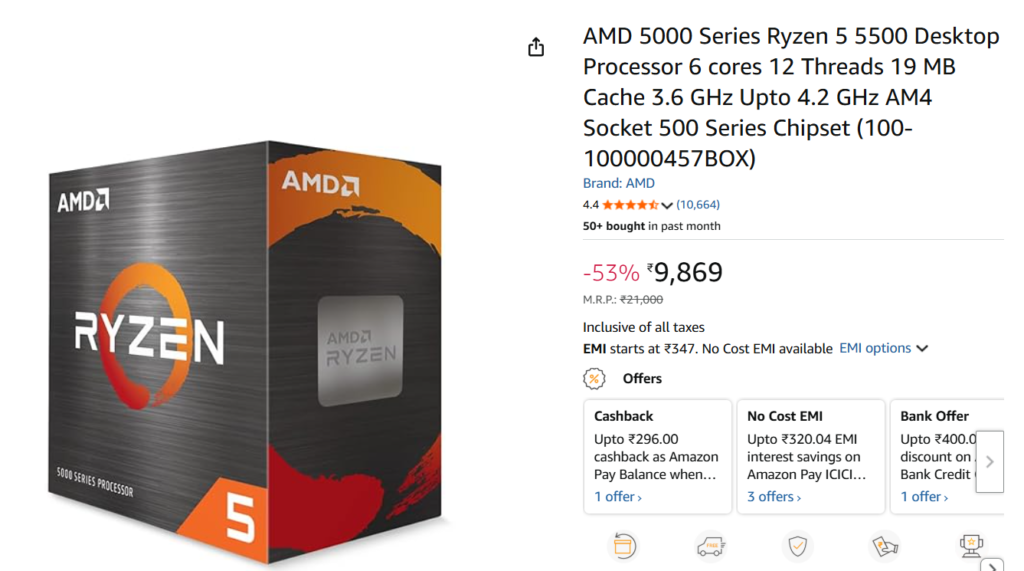
- Ryzen 5 5500
6 cores and 12 threads budget gaming processor based on Zen 3 architecture, good for entry-level gaming PCs and multitasking, uses AM4 socket and supports DDR4 RAM. - Ryzen 5 5600
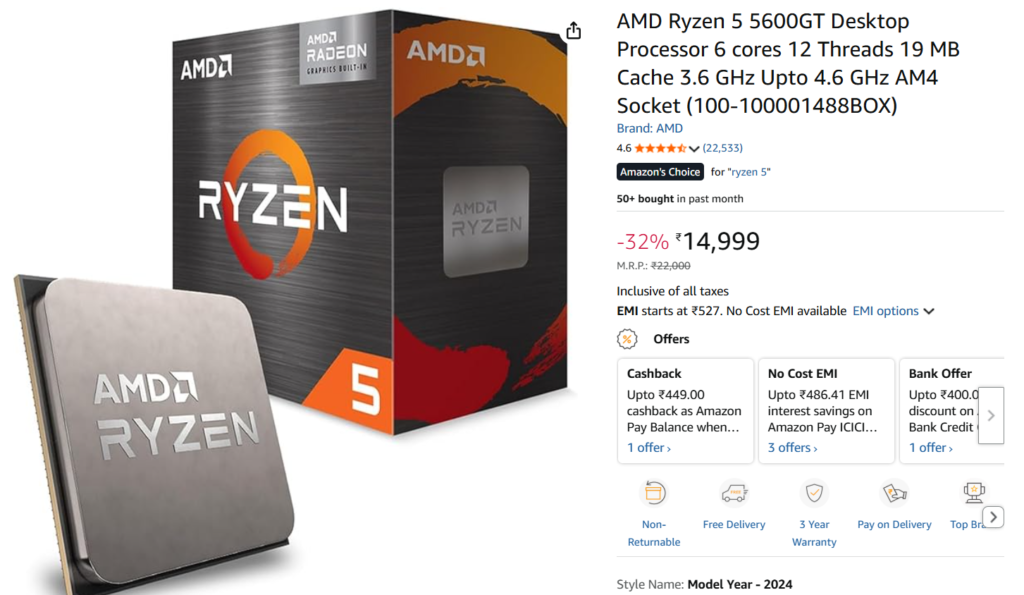
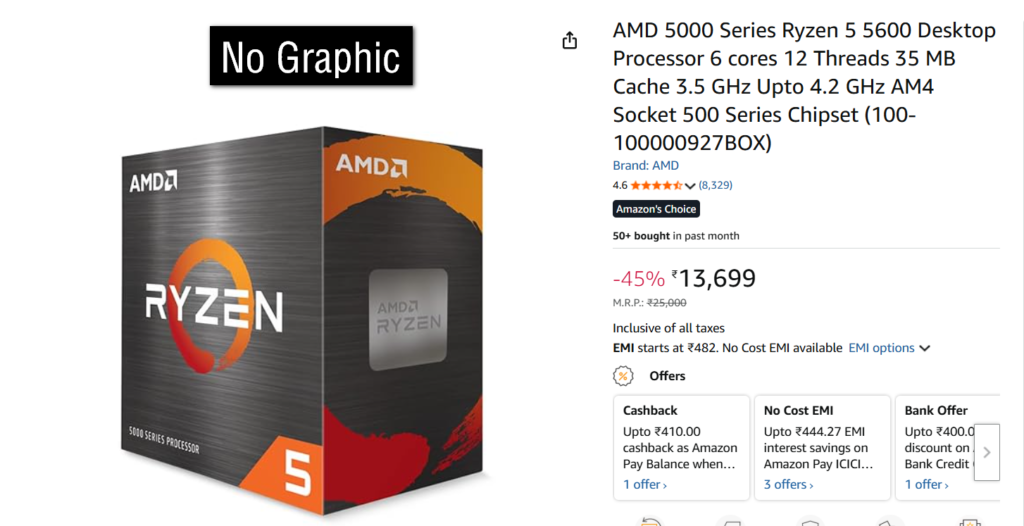
6 cores and 12 threads very popular gaming CPU, strong single-core and multi-core performance, excellent for gaming + productivity, AM4 socket with DDR4 support. - Ryzen 5 5600X
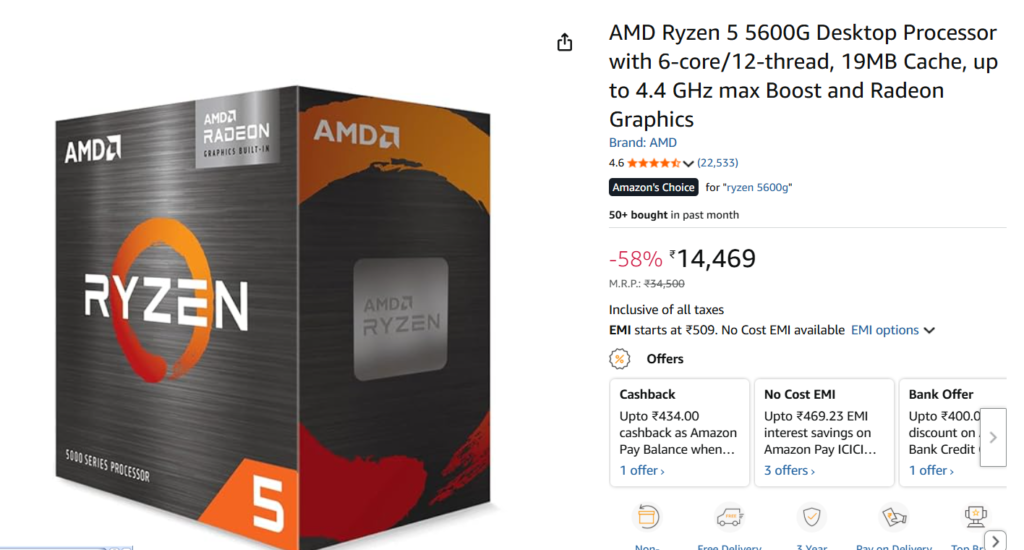
Higher-clocked version of 5600 with better gaming performance and boost speeds, very efficient Zen 3 processor, AM4 socket and DDR4 RAM support. - Ryzen 5 5600G
6 cores and 12 threads APU with integrated Radeon Vega graphics, good for PCs without GPU, suitable for gaming at low settings, AM4 socket and DDR4 RAM support. - Ryzen 5 5600GE
Low-power 35W version of 5600G with integrated graphics, designed for compact and energy-efficient systems, AM4 socket and DDR4 support. - Ryzen 5 5600X3D
Gaming-focused CPU with 3D V-Cache technology, extremely strong gaming performance, limited availability, AM4 socket and DDR4 support.
Ryzen 5 5000 Series Specifications:
- Socket Type: AM4
- RAM Support: DDR4 RAM
- Architecture: Zen 3
- PCIe Support: PCIe 4.0
- Manufacturing Process: 7nm
- Best For: Gaming, streaming, productivity, editing, and mid-range to high-end PCs
AMD Ryzen 7000 Series (Zen 4) – CPU List + Details
The Ryzen 7000 series is AMD’s modern desktop generation based on Zen 4 architecture, designed for high performance, DDR5 memory, and AM5 socket platform.
Ryzen 7000 Desktop CPUs (Non-APU)
- Ryzen 5 7600
6 cores and 12 threads Zen 4 processor, strong gaming performance, excellent efficiency, supports DDR5 RAM and AM5 socket, includes basic Radeon graphics for display output. - Ryzen 5 7600X
Higher-clocked version of 7600, better gaming FPS and performance, designed for enthusiast budget gaming PCs, AM5 socket with DDR5 support. - Ryzen 7 7700
8 cores and 16 threads, balanced CPU for gaming and productivity, very efficient power usage, AM5 platform with DDR5 RAM support. - Ryzen 7 7700X
Faster version of 7700 with higher boost clocks, strong performance for gaming, streaming, and editing workloads. - Ryzen 9 7900
12 cores and 24 threads, high-end productivity CPU with great efficiency, excellent for multitasking and content creation. - Ryzen 9 7900X
12 cores and 24 threads high-performance CPU, powerful for gaming + professional workloads like rendering and editing. - Ryzen 9 7950X
Flagship 16 cores and 32 threads processor, extreme performance for creators, engineers, and high-end gaming setups. - Ryzen 9 7950X3D
Gaming-focused flagship CPU with 3D V-Cache technology, top-tier gaming performance while still strong in productivity tasks.
Ryzen 7000 APUs (Desktop – Limited Models)
- Ryzen 7 8700G
8 cores and 16 threads with RDNA 3 graphics, best AMD APU for gaming without GPU, supports DDR5 RAM and AM5 socket. - Ryzen 5 8600G
6 cores and 12 threads with strong integrated graphics, good for budget gaming builds without dedicated GPU. - Ryzen 5 8500G
Entry-level AM5 APU with integrated graphics, suitable for office PCs and light gaming.
Ryzen 7000 Series Specifications:
- Socket Type: AM5
- RAM Support: DDR5 only
- PCIe Support: PCIe 5.0
- Architecture: Zen 4
- Manufacturing Process: 5nm (CPU cores)
- Graphics: Built-in Radeon Graphics (on all non-F models / APUs)
- Best For: Gaming, streaming, editing, high-performance PCs
AMD Ryzen 8000 Series (Overview + CPU Models)
The Ryzen 8000 series mainly includes Zen 4 desktop APUs and mobile processors with strong integrated graphics (RDNA 3 iGPU in many models). These chips are designed for modern performance, AI features, and efficient power use.
Ryzen 8000 Desktop APUs (AM5 Platform)
- Ryzen 7 8700G
High-end 8-core, 16-thread APU based on Zen 4 architecture, includes powerful Radeon 780M integrated graphics, excellent for gaming without a dedicated GPU, supports DDR5 RAM and AM5 socket. - Ryzen 5 8600G
Mid-range 6-core, 12-thread APU with RDNA 3 graphics, strong for 1080p gaming on low/medium settings, supports DDR5 RAM and AM5 motherboard platform. - Ryzen 5 8500G
Budget 6-core APU (mix of Zen 4 + efficiency cores depending design), includes integrated Radeon graphics, good for entry-level gaming and office PCs, uses AM5 socket and DDR5 RAM.
Ryzen 8000 Mobile (Laptop Series – Ryzen 8040 / 8000U / H)
- Ryzen 7 8845HS
High-performance laptop CPU with 8 cores and 16 threads, strong gaming and productivity performance, includes AI acceleration features and RDNA 3 graphics. - Ryzen 5 8645HS
Balanced performance laptop processor for gaming and productivity, good efficiency and modern architecture. - Ryzen 7 8840U
Ultra-thin laptop CPU with strong battery life, built-in RDNA 3 graphics, suitable for travel and office use. - Ryzen 5 8640U
Efficient mid-range laptop chip for multitasking, study, and light creative work.
Ryzen 8000 Series Specifications:
- Socket (Desktop): AM5
- RAM Support: DDR5 only
- Architecture: Zen 4 (CPU) + RDNA 3 (iGPU)
- Platform: Modern AM5 motherboards (A620, B650, X670)
- Best For: Gaming without GPU, AI workloads, productivity, modern PCs
AMD Ryzen 9000 Series (Zen 5)
The Ryzen 9000 series is AMD’s latest generation desktop CPUs based on Zen 5 architecture, offering better performance per watt, improved gaming FPS, and higher efficiency compared to Ryzen 7000.
Ryzen 9000 Desktop CPUs (AM5 Platform)
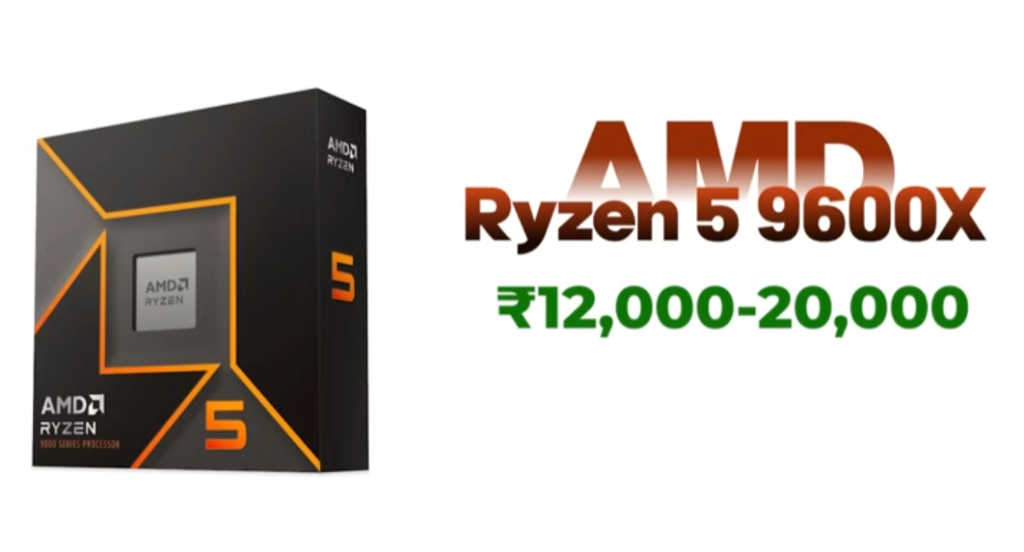
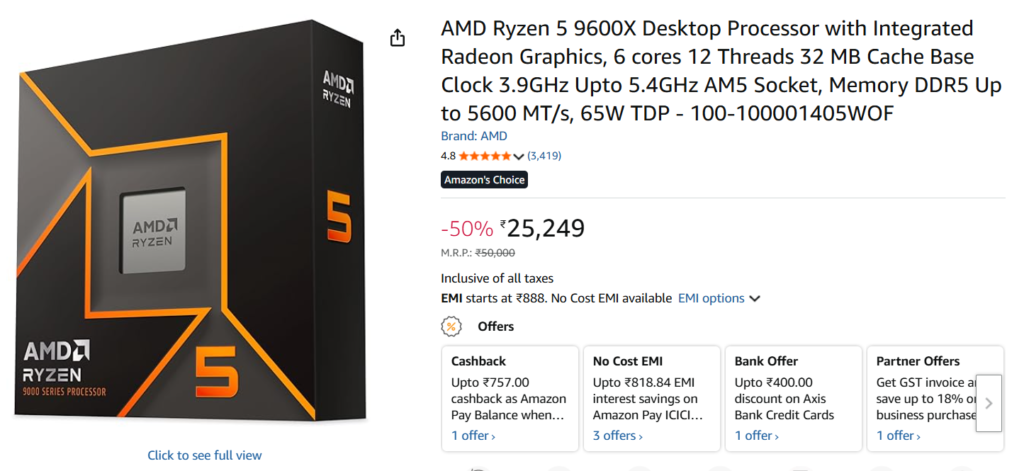
- Ryzen 5 9600X
6 cores and 12 threads Zen 5 processor, excellent gaming performance, improved efficiency over Ryzen 7000 series, supports DDR5 RAM and AM5 socket, ideal for mid-range gaming PCs. - Ryzen 7 9700X
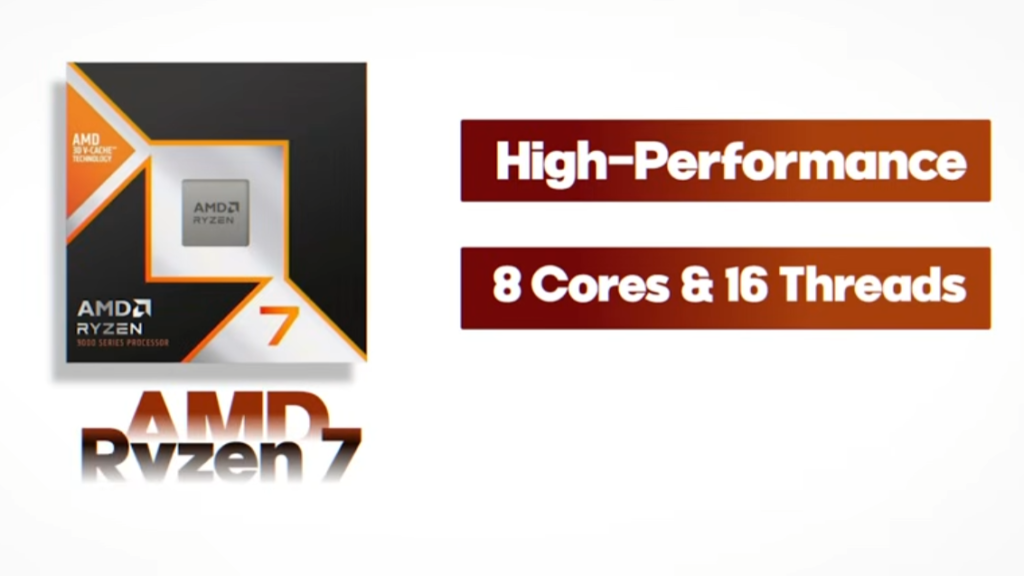
8 cores and 16 threads, strong balance of gaming and productivity, lower power consumption compared to previous generation, great for streaming and multitasking. - Ryzen 9 9900X
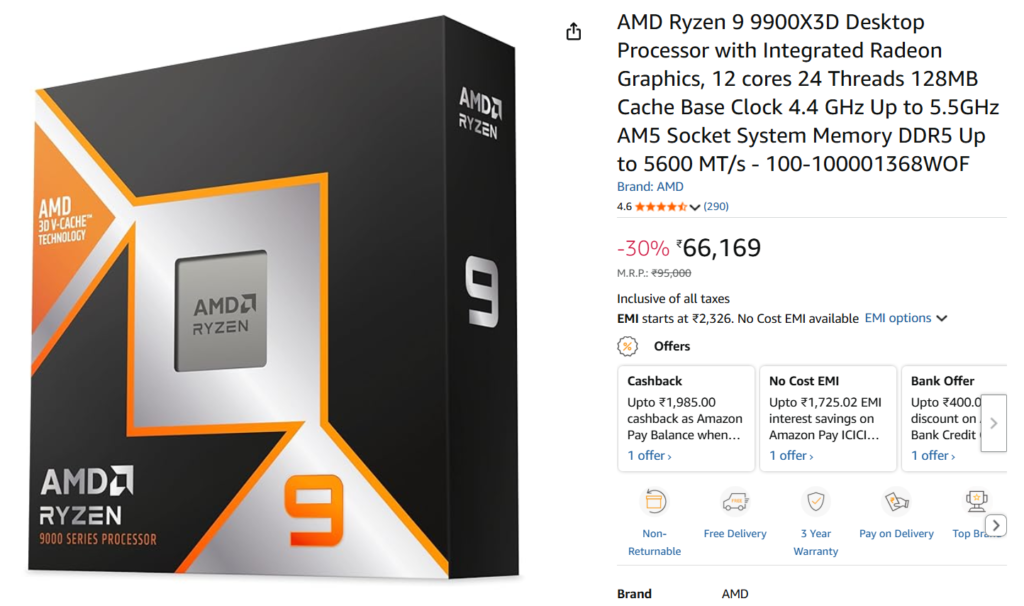
12 cores and 24 threads, high-performance CPU for creators and gamers, improved IPC (instructions per clock) and efficiency. - Ryzen 9 9950X
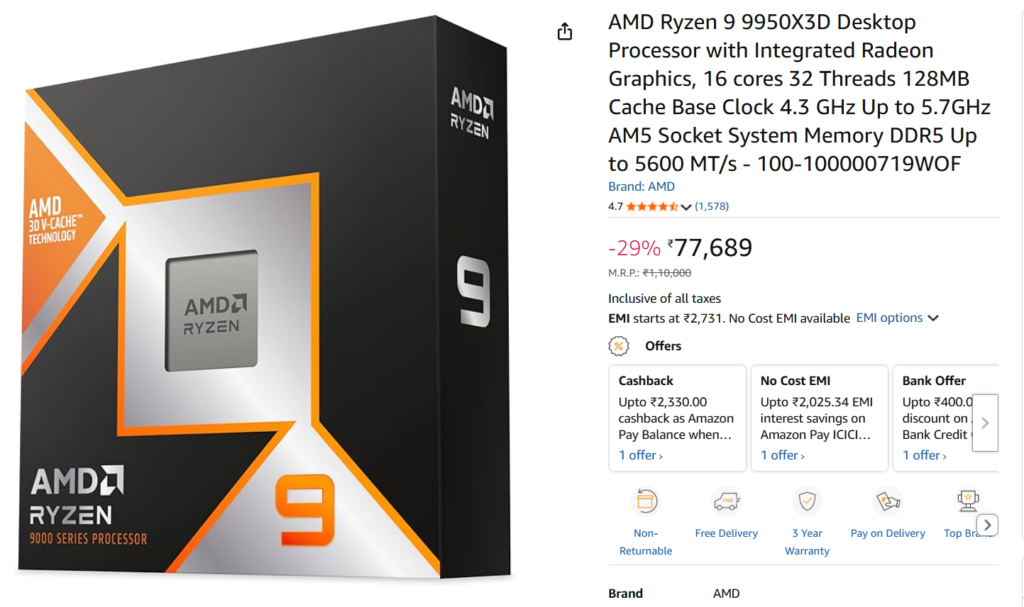
16 cores and 32 threads flagship processor, extreme performance for rendering, AI workloads, video editing, and high-end gaming systems.
Ryzen 9000 X3D Series (Gaming Focus):
- Ryzen 7 9800X3D
Gaming-focused CPU with 3D V-Cache technology, extremely high FPS in games, best choice for pure gaming builds. - Ryzen 9 9900X3D
High-end hybrid CPU with extra cache for gaming + productivity workloads. - Ryzen 9 9950X3D
Ultimate flagship CPU combining Zen 5 performance + 3D V-Cache, top-tier for gaming and professional workloads.
Ryzen 9000 Series Specifications:
- Socket Type: AM5
- RAM Support: DDR5 only
- PCIe Support: PCIe 5.0
- Architecture: Zen 5
- Manufacturing Process: Improved 4nm/5nm class (chiplet design)
- Best For: High-end gaming, content creation, AI workloads, professional PCs
Simple Understanding:
- Ryzen 5 9000 → Mid-range gaming
- Ryzen 7 9000 → High performance gaming + productivity
- Ryzen 9 9000 → Extreme performance
- X3D models → Best gaming CPUs in the world (extra cache advantage)
AMD CPU Price List
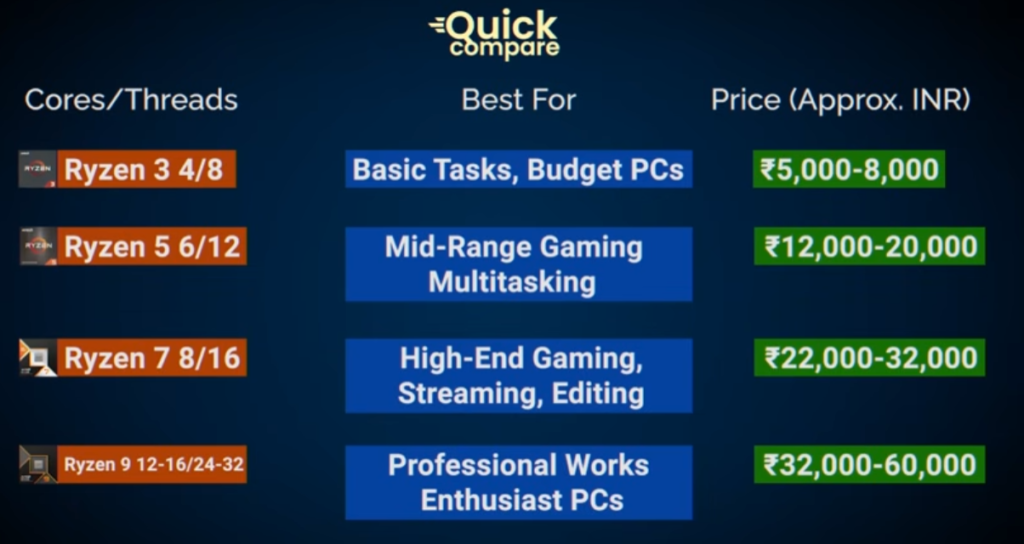
- Athlon (₹3,000 – ₹7,000) → Basic entry-level CPUs for office work, browsing, and student PCs with low power usage.
- Ryzen 3 (₹5,000 – ₹12,000) → Budget processors for daily use and light gaming with decent performance.
- Ryzen 5 (₹9,000 – ₹25,000) → Most popular CPUs offering best value for gaming, editing, and multitasking.
- Ryzen 7 (₹18,000 – ₹50,000) → High-performance CPUs for heavy gaming, streaming, and professional workloads.
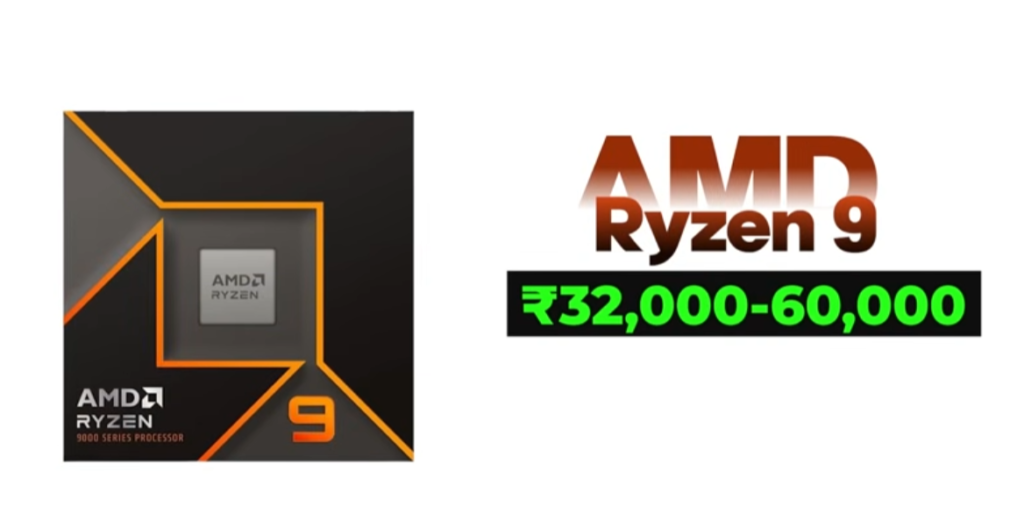
- Ryzen 9 (₹30,000 – ₹70,000) → Extreme performance processors for 4K/8K editing, AI work, and content creation.
- Threadripper (₹70,000 – ₹3,00,000+) → Ultra high-end workstation CPUs used for rendering and professional production work.
- EPYC (₹1,00,000+) → Server-grade processors used in data centers and cloud computing.
AMD CPU Code Suffix
AMD CPU Code Suffix
AMD CPU suffixes are letters added at the end of processor model names (like 5600X, 5600G, 7600F). These suffixes help identify the features, performance level, power usage, and GPU support of the CPU.
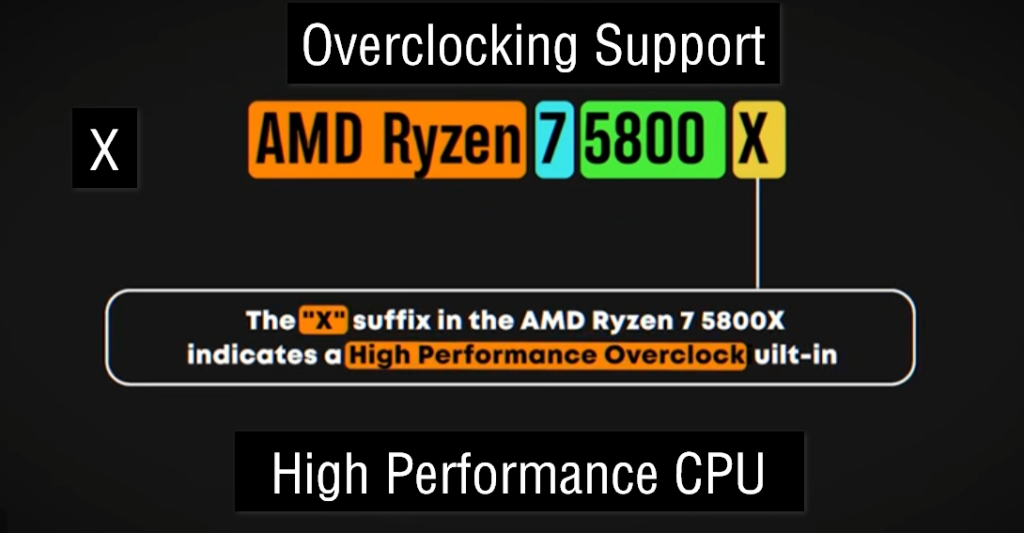
X Suffix (Performance Boost)
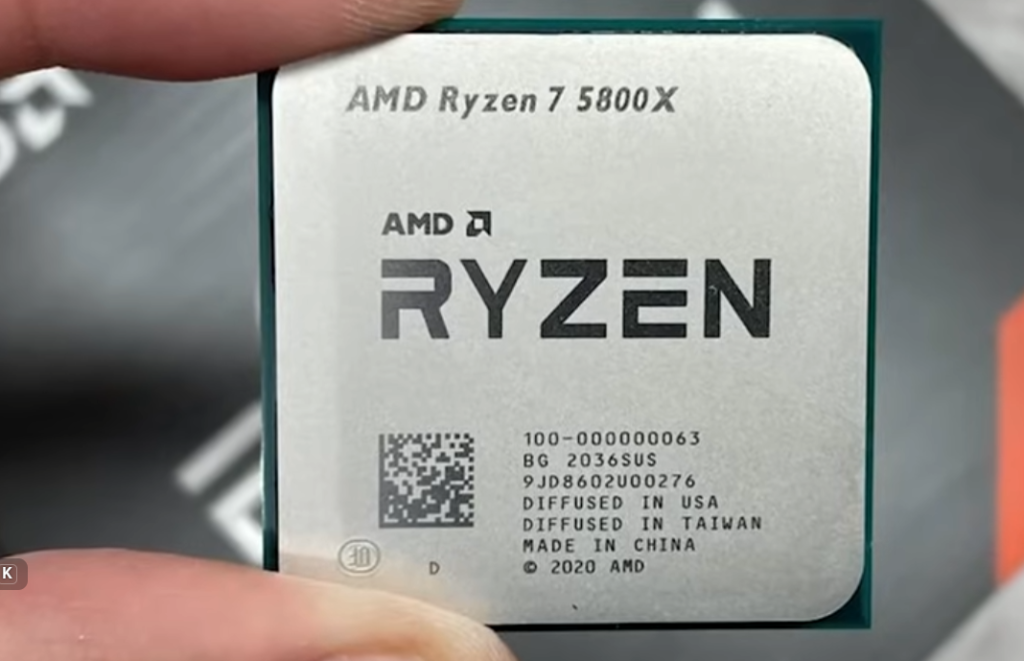
The “X” suffix means the CPU is a high-performance version with higher clock speeds and better boost performance. These processors are designed for gaming and heavy workloads.
Example: Ryzen 5 5600X, Ryzen 7 5800X
XT Suffix (Enhanced X Version)
The “XT” suffix is a slightly improved version of X models. It offers better boost frequency and small performance gains compared to the normal X version.
Example: Ryzen 5 3600XT, Ryzen 9 3900XT
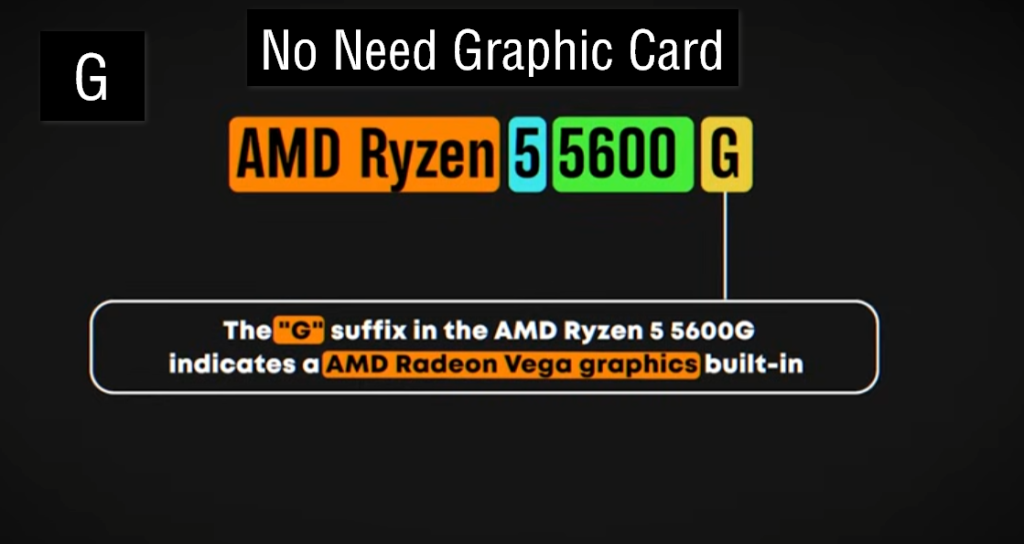
G Suffix (Integrated Graphics / APU)
The “G” suffix means the CPU has built-in graphics (iGPU), so it can run without a separate graphics card. These are called APUs.
Example: Ryzen 5 5600G, Ryzen 3 2200G
GE Suffix (Low Power APU)
The “GE” suffix is a low-power version of G-series CPUs. It uses less power and produces less heat but has slightly reduced performance.
Example: Ryzen 5 3400GE
F Suffix (No Integrated Graphics)
The “F” suffix means the CPU does not have built-in graphics. A dedicated GPU is required to display output. These are usually cheaper than normal versions.
Example: Ryzen 5 5600F, Ryzen 7 5700F
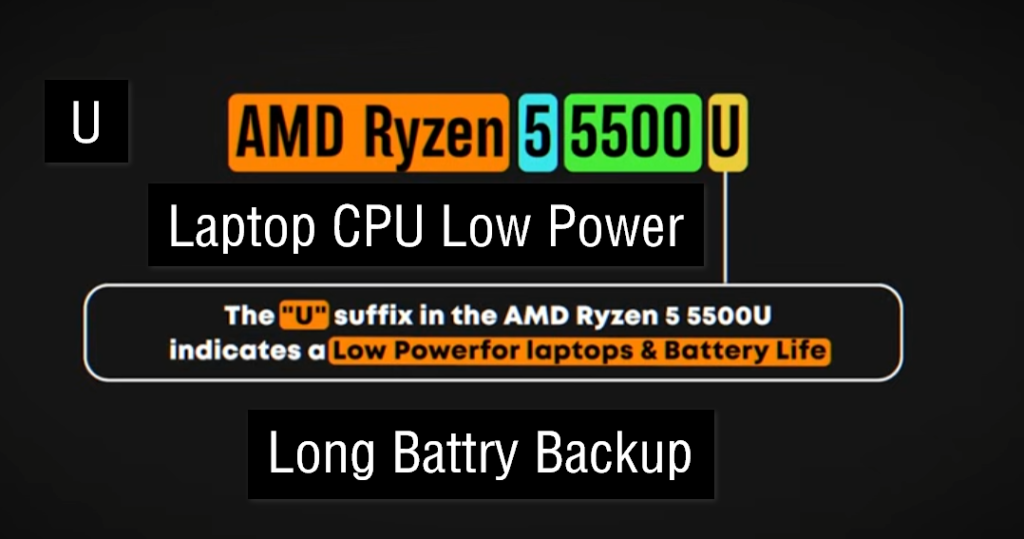
U Suffix (Ultra-Low Power Laptop CPUs)
The “U” suffix is used in laptops and means ultra-low power consumption. These CPUs are designed for long battery life and light performance tasks.
Example: Ryzen 5 5500U, Ryzen 7 5700U
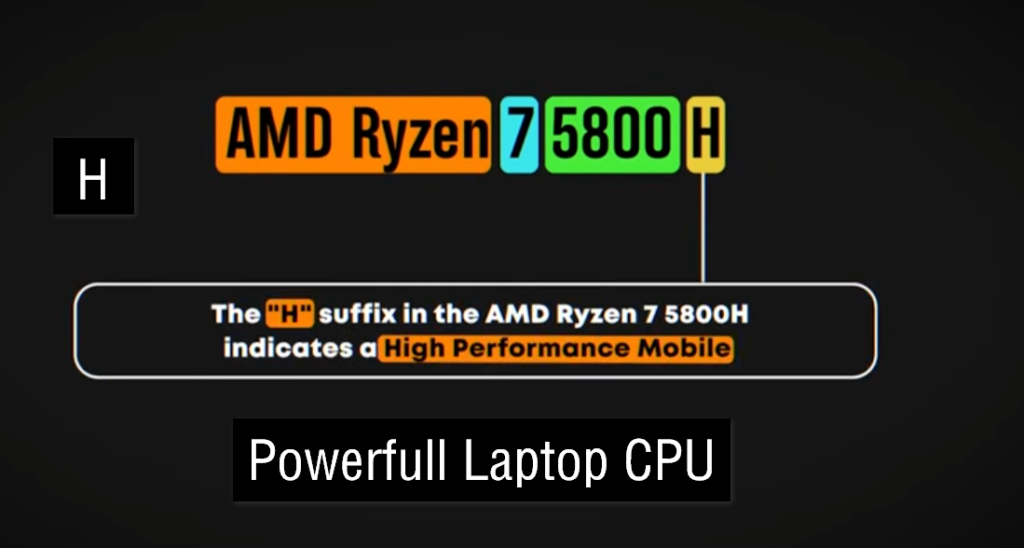
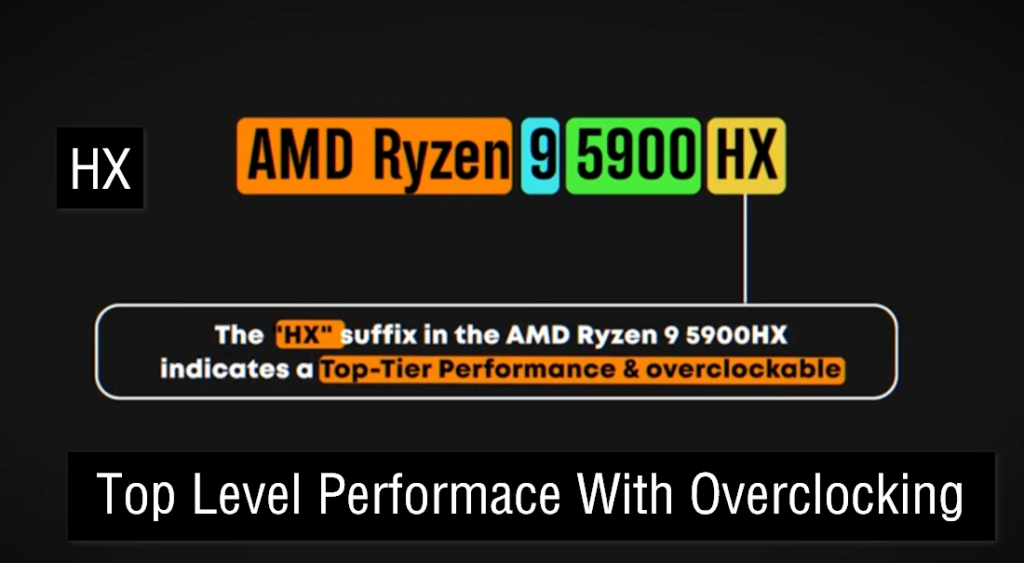
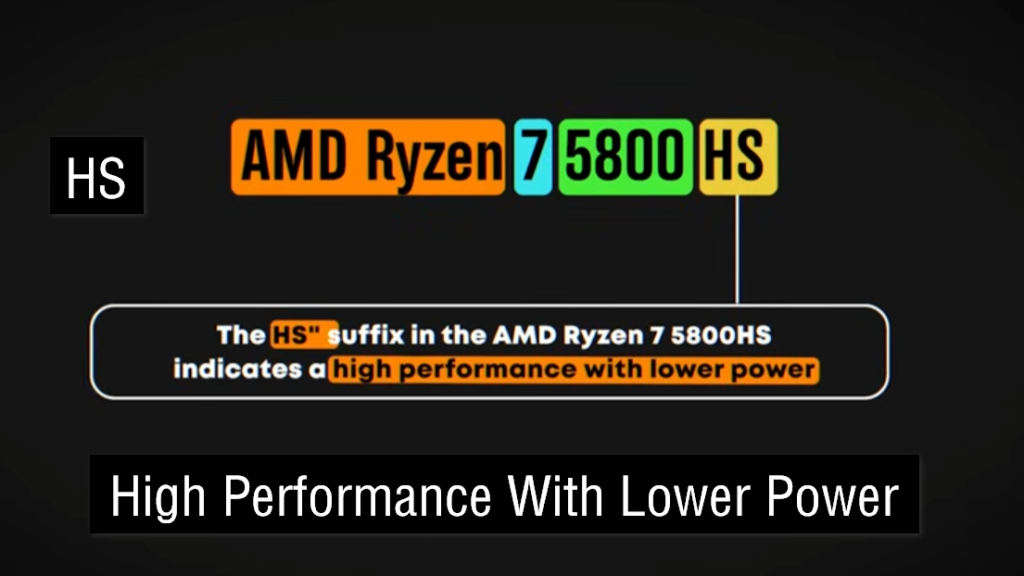
H / HS / HX Suffix (Laptop Performance Levels)
- H → High performance laptop CPUs for gaming and editing
- HS → Balanced performance + power efficiency
- HX → Extreme high-performance laptop CPUs (desktop-like power)
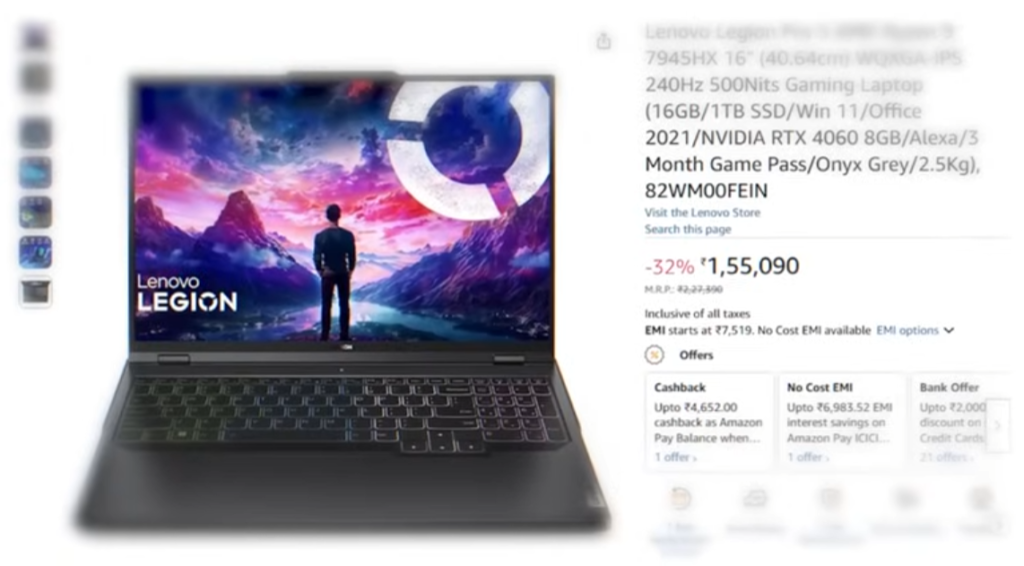
Example: Ryzen 7 6800H, 7840HS, 7945HX
X3D Suffix (Gaming Cache Boost)
The “X3D” suffix means the CPU has extra 3D V-Cache technology, which greatly improves gaming performance by increasing cache memory.
Example: Ryzen 7 7800X3D, Ryzen 9 7950X3D
- X → Higher performance, faster clock speed (e.g., 5600X, 7600X)
- XT → Slightly improved version of X (better boost speed)
- G → Has integrated graphics (APU) (e.g., 5600G, 2400G)
- GE → Low power version of G (energy efficient APU)
- F → No integrated graphics (needs GPU) (e.g., 5600F, 7500F)
- U → Ultra low power laptop CPUs (battery saving)
- H → High performance laptop CPUs (gaming laptops)
- HX → Extreme laptop performance CPUs (top gaming laptops)
- HS → Balanced performance + power efficiency laptops
- X3D → Extra cache for gaming performance (e.g., 7800X3D)
AMD All Socket Types with Supported CPU
AMD All Socket Types with Supported CPUs (Long Explanation)
AMD sockets are the physical connection points on the motherboard where the CPU is installed. Each socket supports specific generations of processors, meaning the CPU and motherboard must match to work properly. Over time, AMD has released many socket types from old Athlon processors to modern Ryzen and EPYC CPUs.
AM2 / AM2+ Socket (Old Generation)
AM2 and AM2+ sockets were used in early AMD desktop systems. These sockets supported older processors like Athlon 64, Athlon X2, and early Phenom CPUs. They used DDR2 memory and are now outdated for modern computing.
AM3 / AM3+ Socket (DDR3 Era)
AM3 and AM3+ sockets supported improved processors such as Athlon II, Phenom II, and FX series CPUs. These were popular for gaming PCs in the past and used DDR3 RAM. AM3+ was the final socket for AMD FX processors.
FM1 Socket (APU Introduction)
FM1 socket was introduced for AMD’s early APU processors, combining CPU and GPU in one chip. It supported A-series APUs like A4, A6, and A8, mainly used in budget systems with basic graphics performance.
FM2 / FM2+ Socket (Improved APU Platform)
FM2 and FM2+ sockets improved APU performance and supported Athlon X4 and A-series APUs (A8, A10, etc.). These sockets were widely used in entry-level gaming and multimedia PCs before Ryzen was launched.
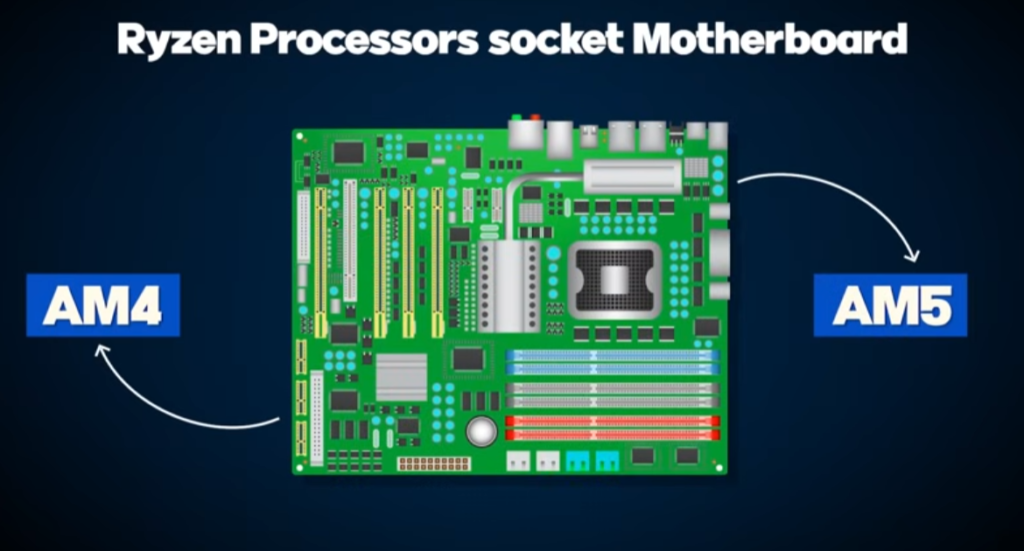
AM4 Socket (Most Popular Platform):
AM4 is one of AMD’s most successful sockets. It supports a wide range of CPUs from different generations, including:
- Athlon 3000G
- Ryzen 1000 / 2000 / 3000 / 4000 / 5000 series
AM4 supports DDR4 memory and became the most widely used socket for gaming and productivity PCs due to its long lifespan and upgrade support.
AM5 Socket (Latest Generation)
AM5 is AMD’s modern socket used for new Ryzen processors. It supports:
- Ryzen 7000 series
- Ryzen 8000 series
- Ryzen 9000 series
AM5 introduces DDR5 memory, PCIe 5.0 support, and better performance efficiency. It is designed for future-ready gaming and high-performance systems.
- AM2 / AM2+ → Athlon 64, Athlon X2, Phenom (old DDR2 PCs)
- AM3 / AM3+ → Athlon II, Phenom II, FX series (DDR3 systems)
- FM1 → A-series APUs (A4, A6, A8) basic graphics PCs
- FM2 / FM2+ → Athlon X4, A8, A10 APUs (budget gaming PCs)
- AM4 → Athlon 3000G, Ryzen 1000–5000 series (most popular DDR4 platform)
- AM5 → Ryzen 7000–9000 series (latest DDR5 gaming platform)
- TR4 / sTRX4 → Threadripper CPUs (workstation / rendering PCs)
- SP3 / SP5 → EPYC CPUs (server / data center systems)