Computer Troubleshooting

Windows User Account Password Unlocking

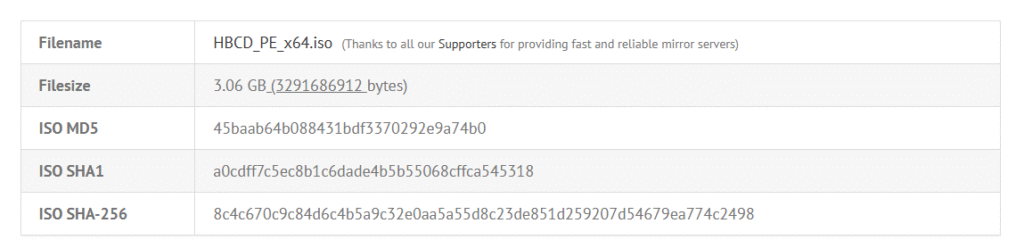
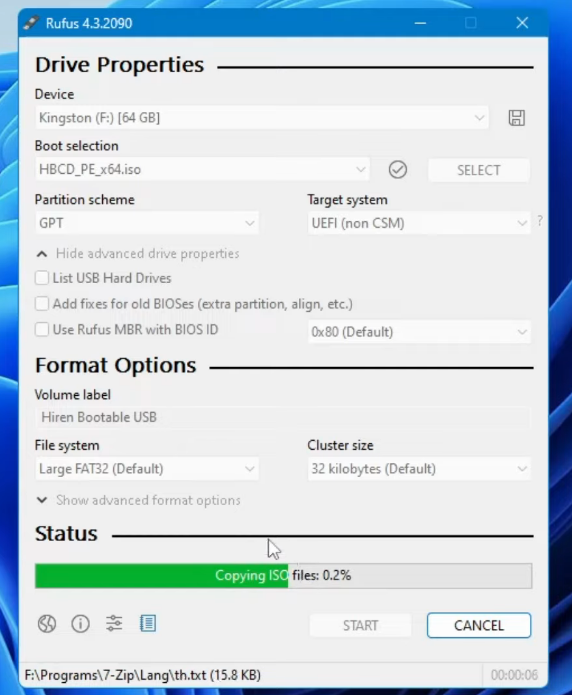
Hiren’s BootCD (often abbreviated as HBCD) is a bootable utility toolset that includes a wide range of software for diagnosing, repairing, and recovering Windows computers. It’s especially popular among IT professionals and tech-savvy users for troubleshooting and fixing PCs that won’t boot properly or have various software issues.

What You Can Do with Hiren’s BootCD

Here are some of the most common uses:

  1. Recover data from non-bootable systems

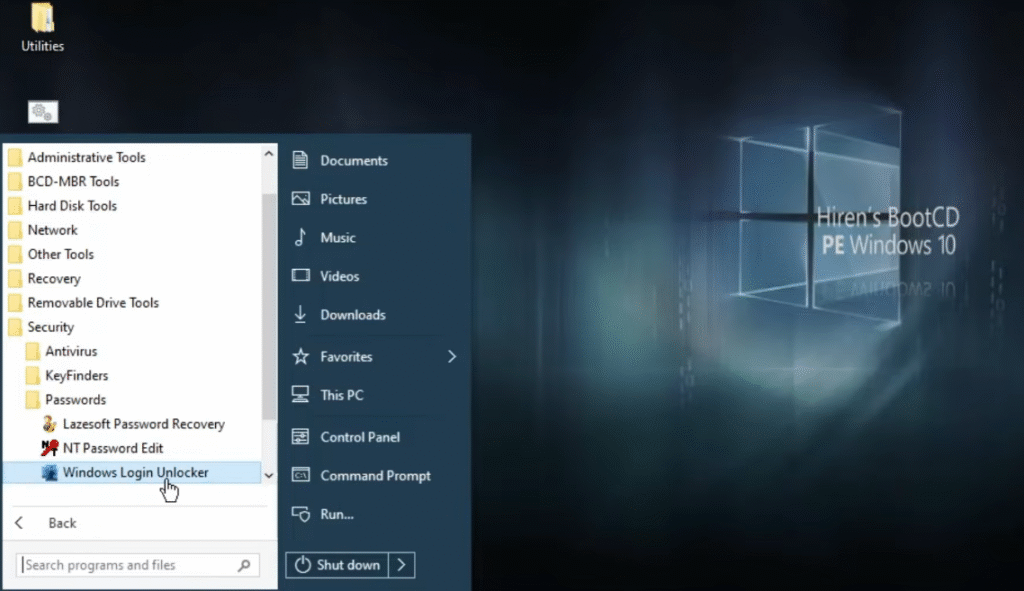
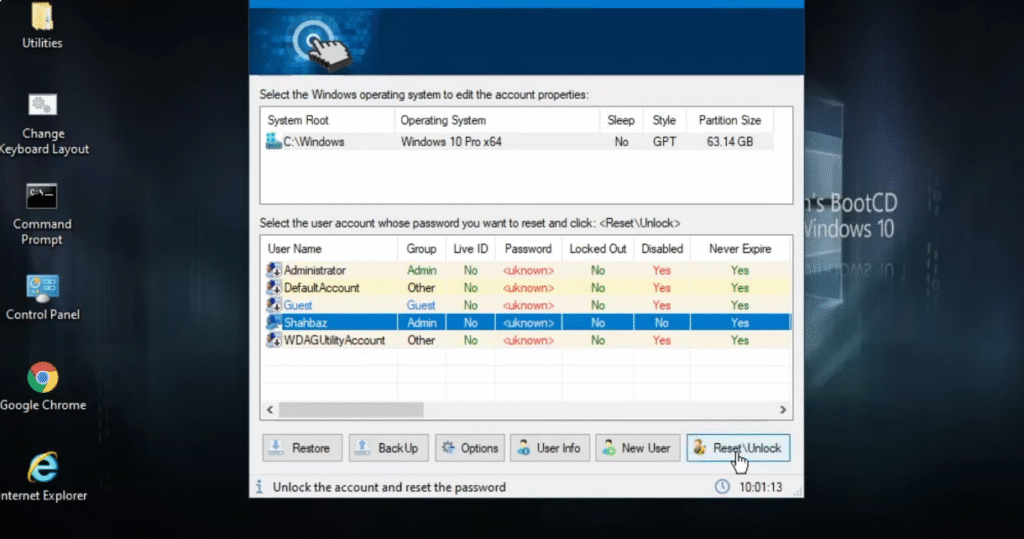
  2. Reset or recover Windows passwords

  3. Scan and remove malware

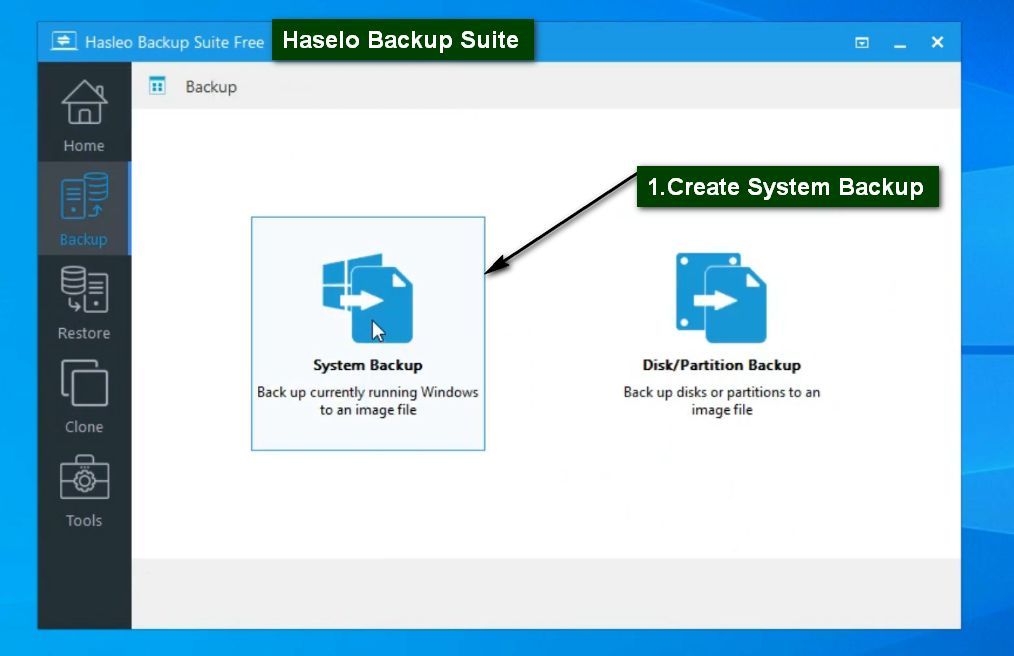
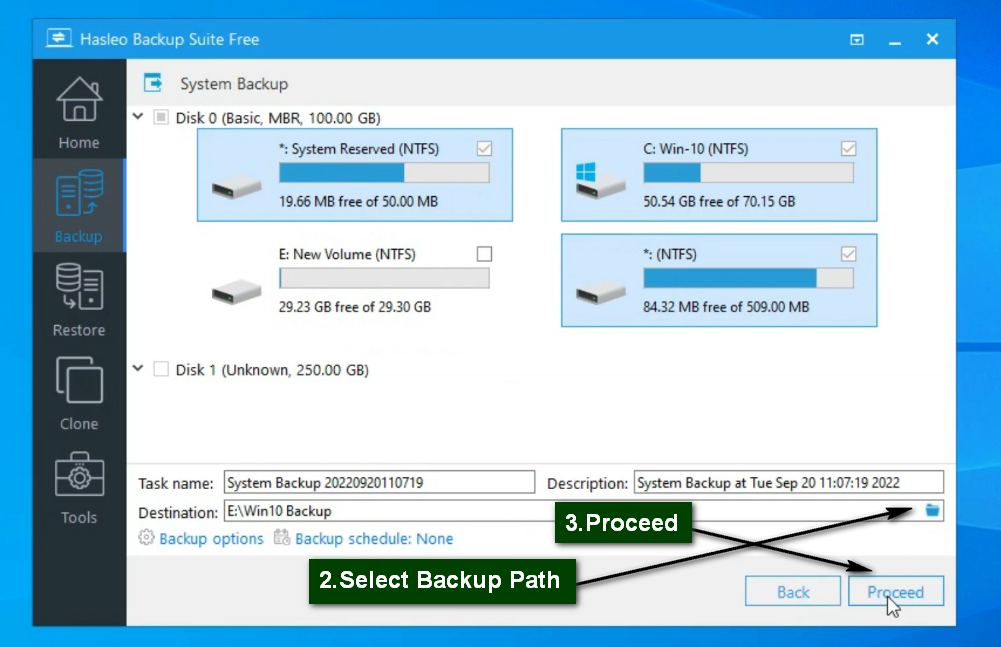
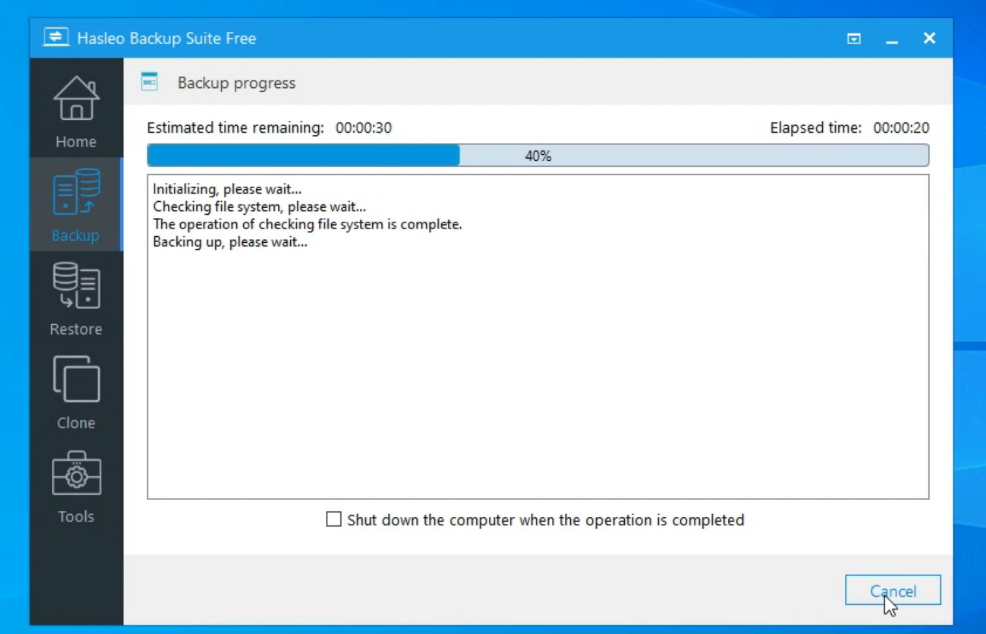
  4. Backup and restore drives or partitions

  5. Diagnose hardware problems

  6. Clone disks

  7. Partition management

  8. Access Windows even if it won’t boot

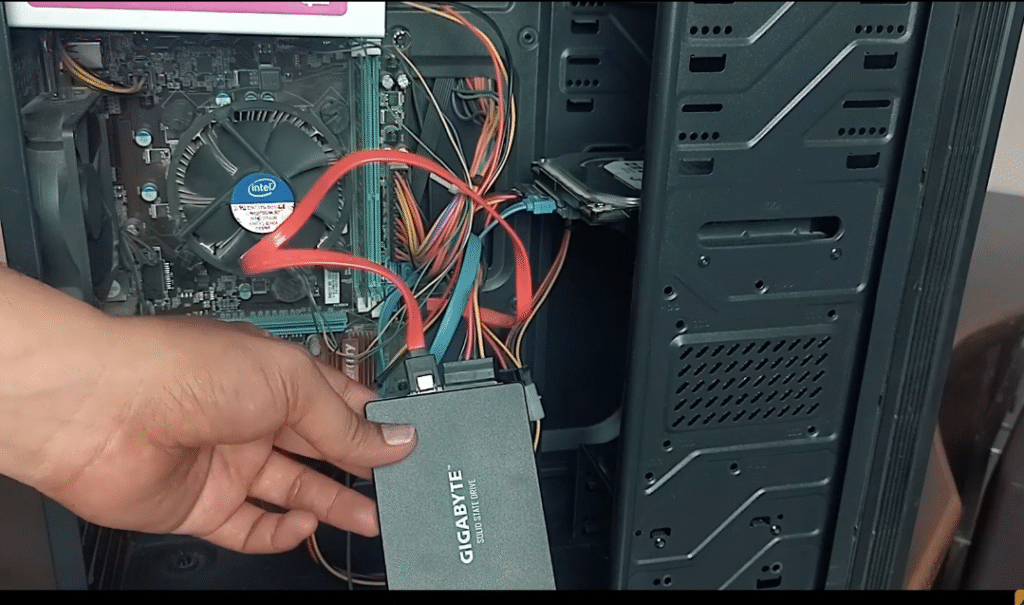
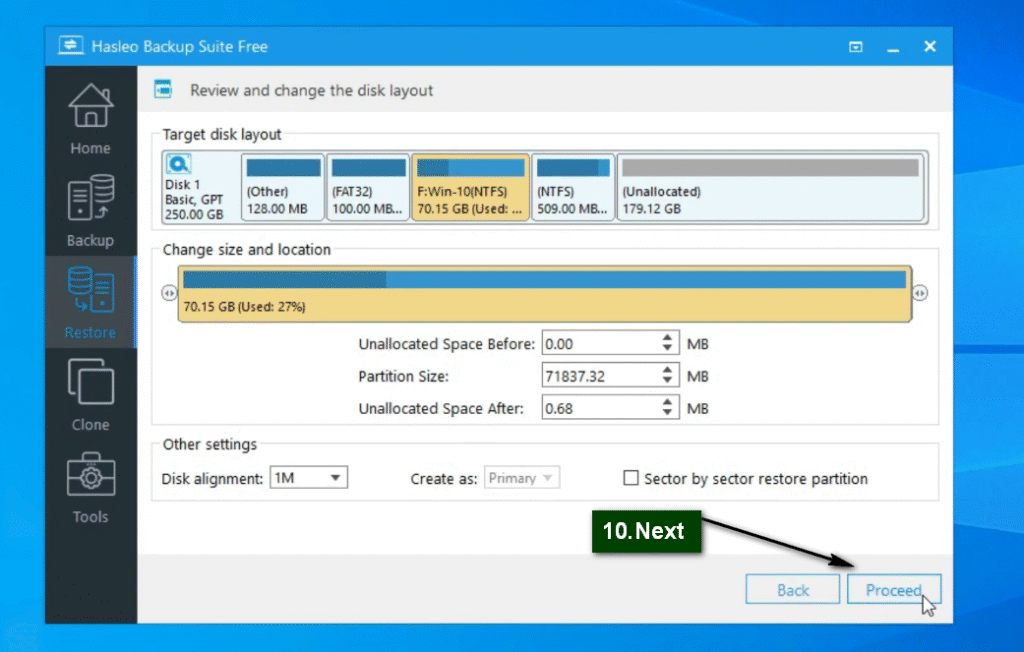
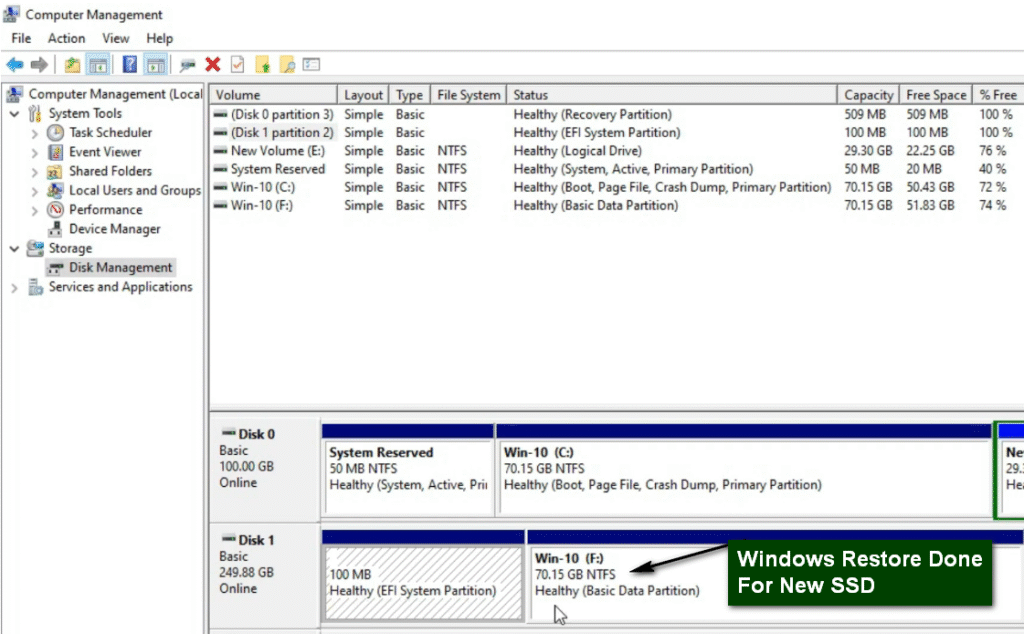
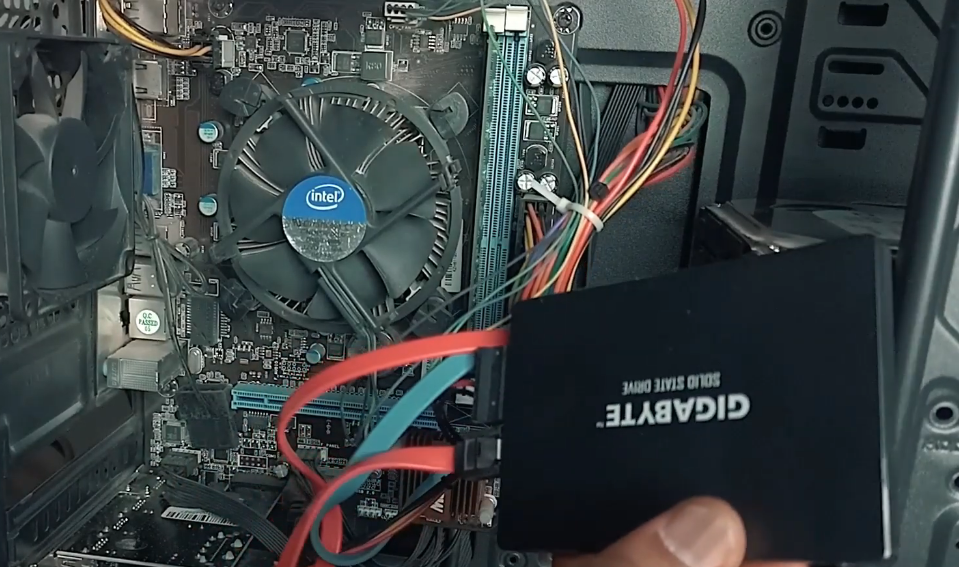
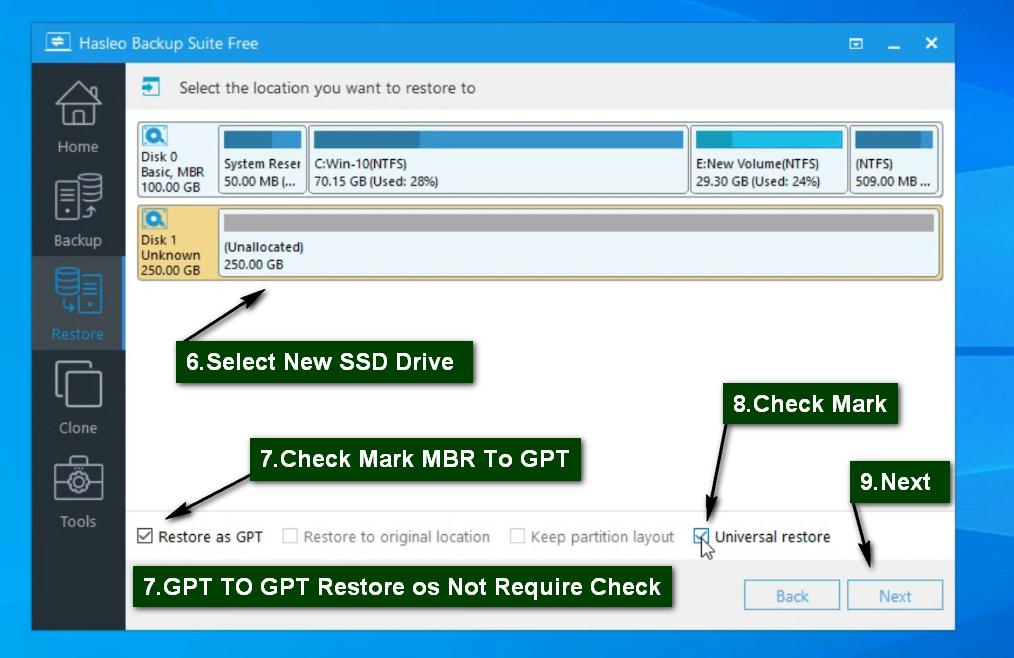
Disk Cloning Migrate HDD TO SSD

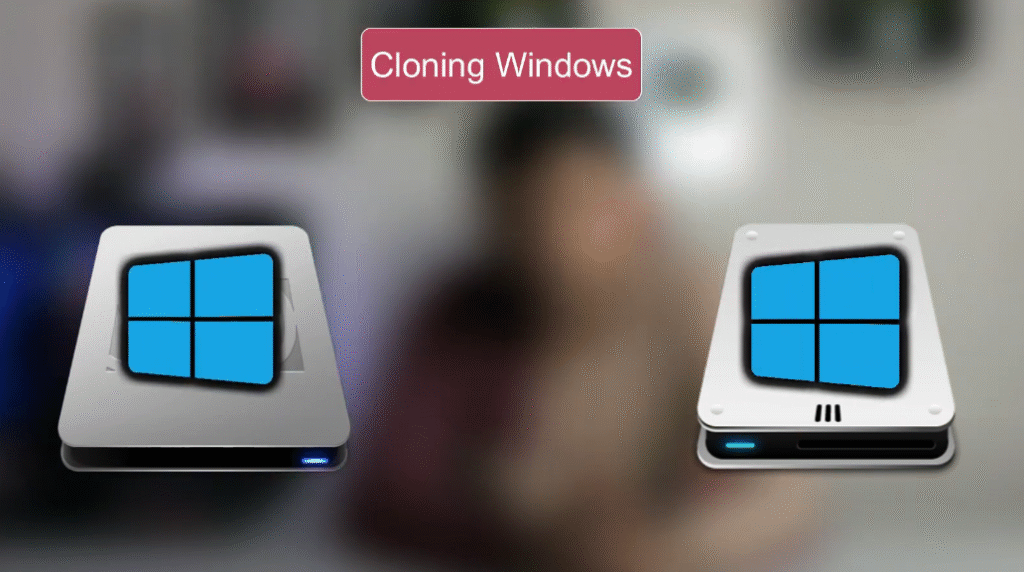
Cloning a Windows operating system (OS) means creating an exact copy of a system — including Windows itself, installed software, settings, and files — and it’s commonly done for backup, migration, or deployment purposes.

Here’s why people clone Windows OS:


 1. System Backup

  • A clone acts as a full backup of your system.

  • If your original drive fails (e.g., due to hardware failure or malware), you can restore the clone to a new drive and pick up where you left off.


 2. Upgrading to a New Drive

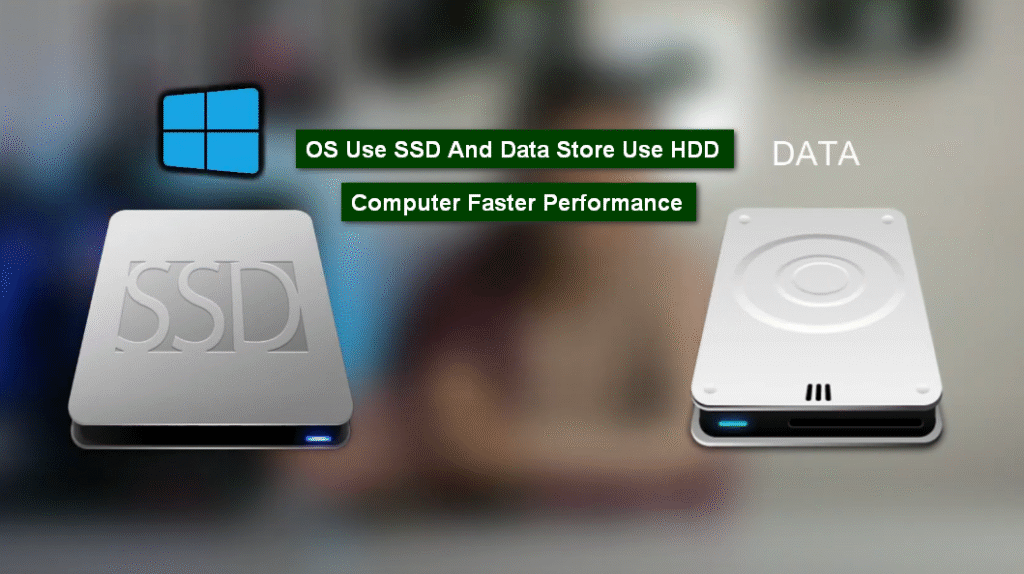
  • Example: You’re upgrading from a slower HDD to an SSD.

  • Cloning lets you move your entire Windows system to the new drive without reinstalling Windows or your apps.


 3. Faster Deployment on Multiple PCs

  • In businesses or schools, IT staff can install and configure Windows once, then clone that system to many computers.

  • Saves time vs. setting up each PC individually.

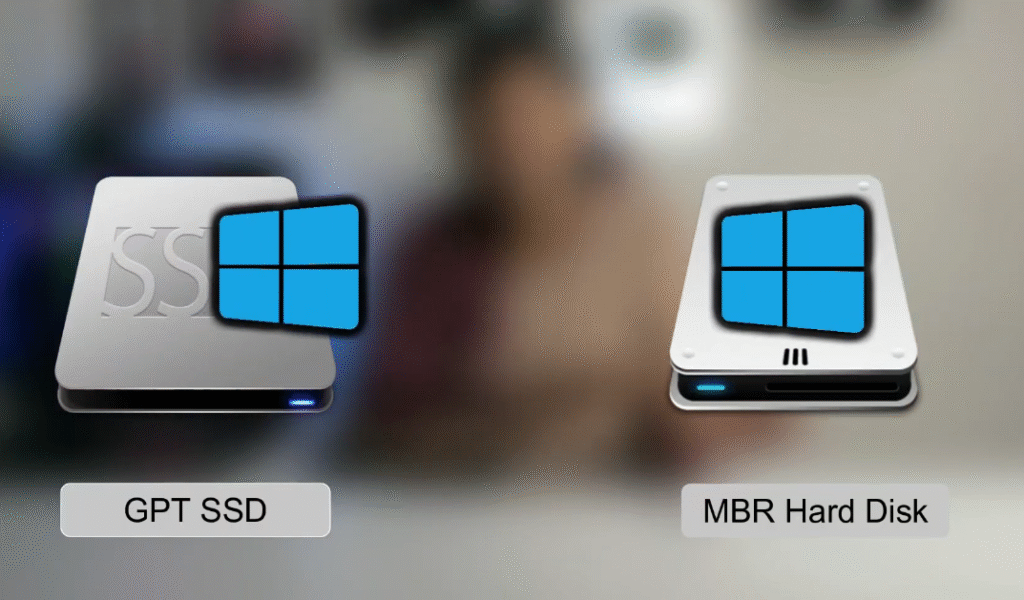
MBR (Master Boot Record)

  • Older partitioning system (used since the 1980s).

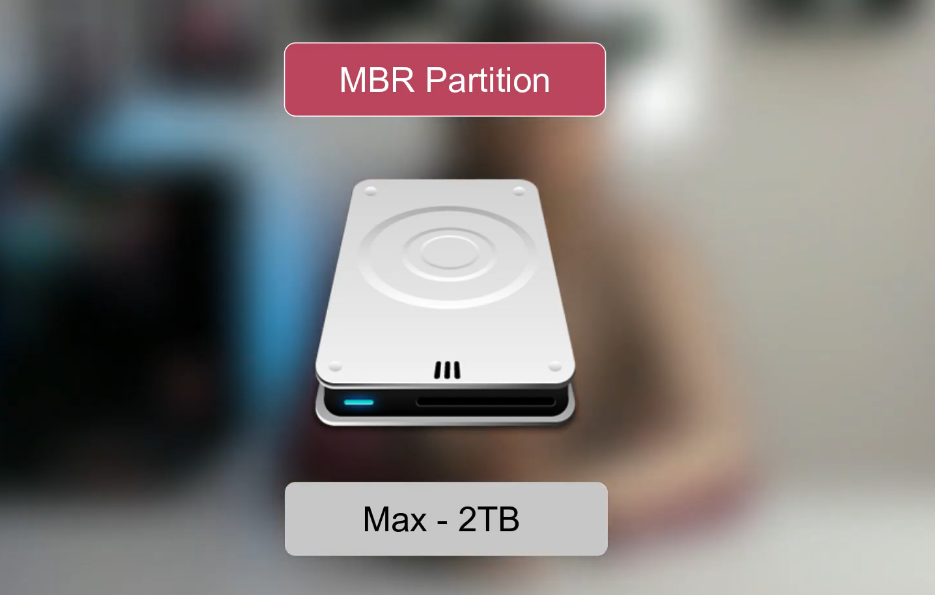
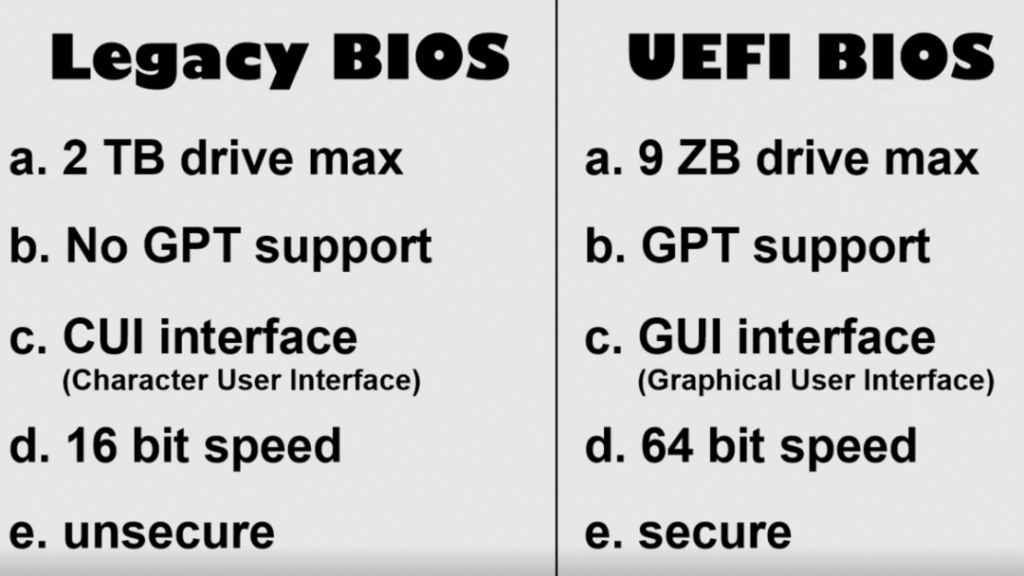
  • Supports up to 2 TB drives.

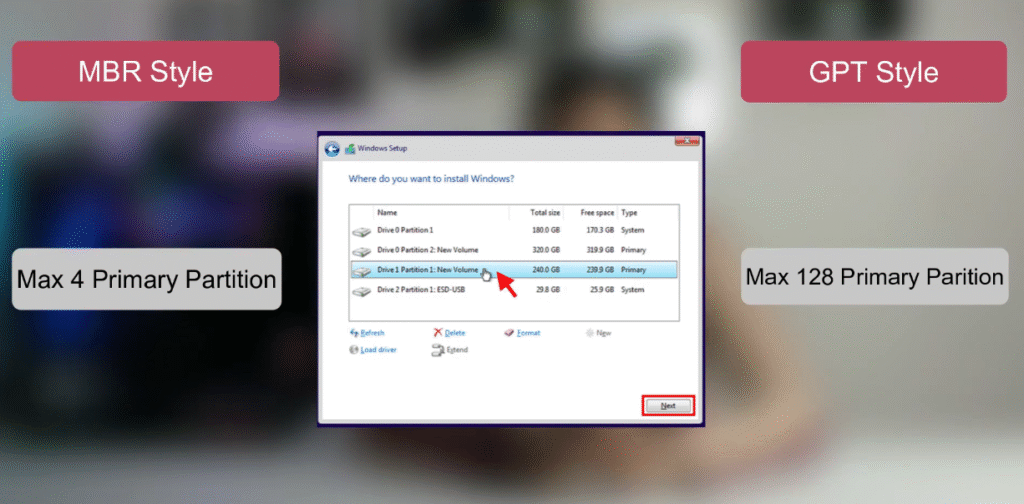
  • Allows up to 4 primary partitions.

  • Stores boot info in the first sector of the drive — if corrupted, system may not boot.


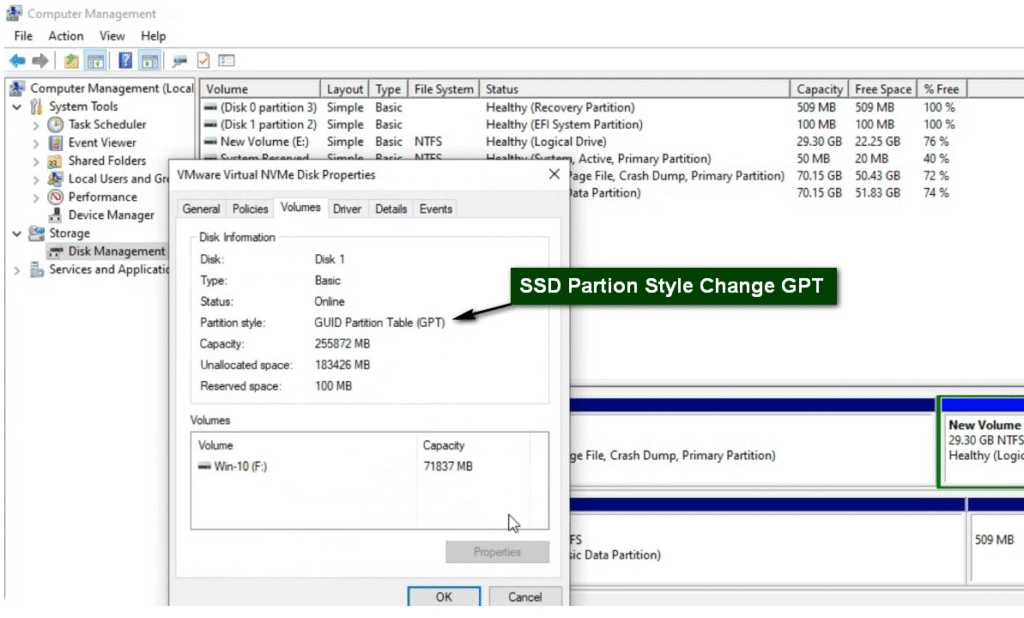
GPT (GUID Partition Table)

  • Modern replacement for MBR.

  • Supports drives larger than 2 TB.

  • Allows up to 128 partitions (on Windows).

  • More reliable and secure: stores multiple copies of boot data across the disk.

  • Required for booting Windows in UEFI mode.

In Simple Terms:

FeatureMBRGPT
Max Disk Size2 TB9.4 ZB (virtually unlimited)
Max Partitions4 primary128
Boot ModeLegacy BIOSUEFI
ReliabilitySingle boot recordRedundant boot records
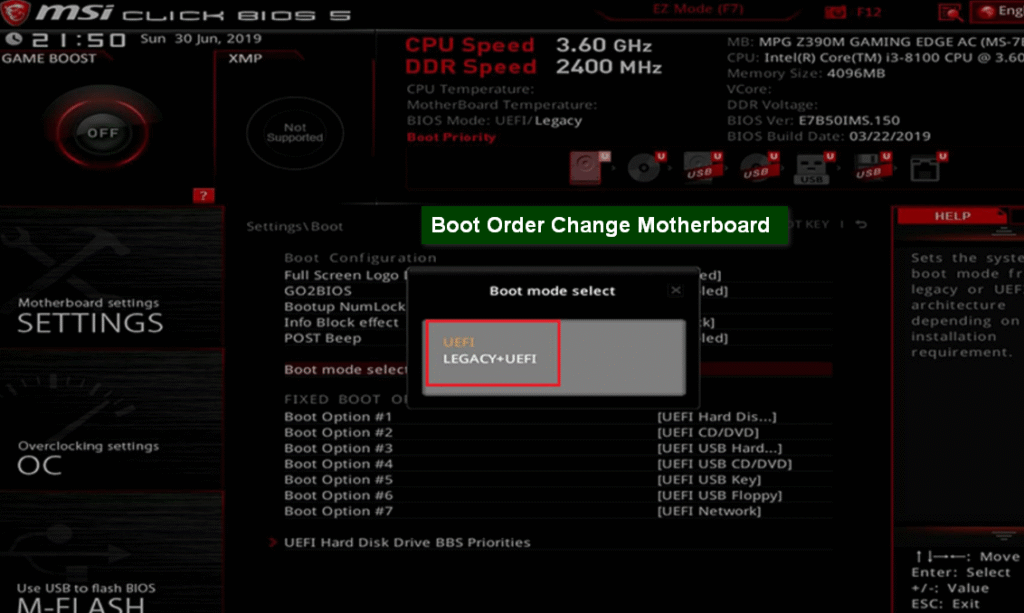
  • All Done Then Bios Boot Order Change For New SSD 
  • HDD Sata Cable And Power Cable Remove Then Windows Loading

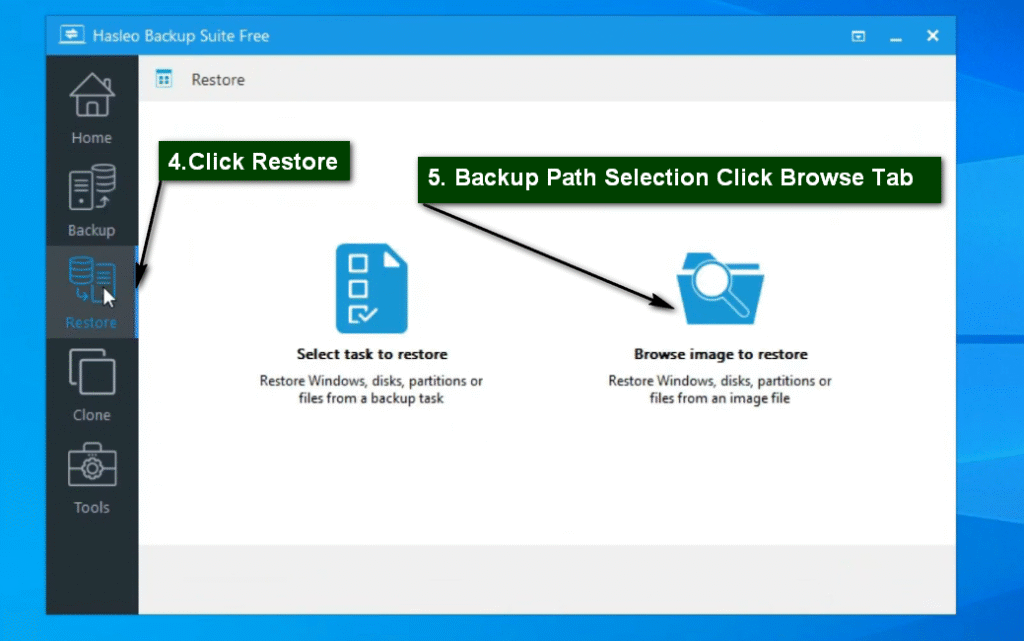
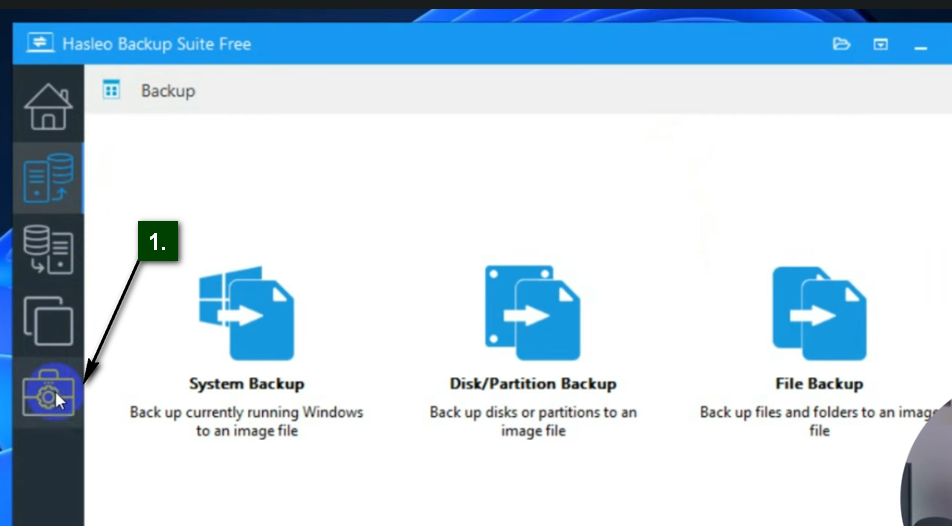
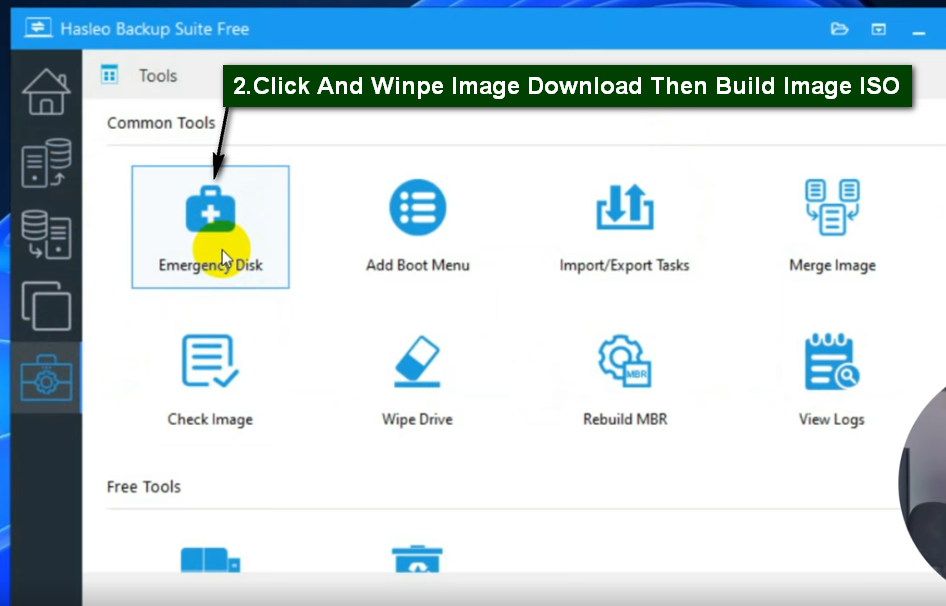
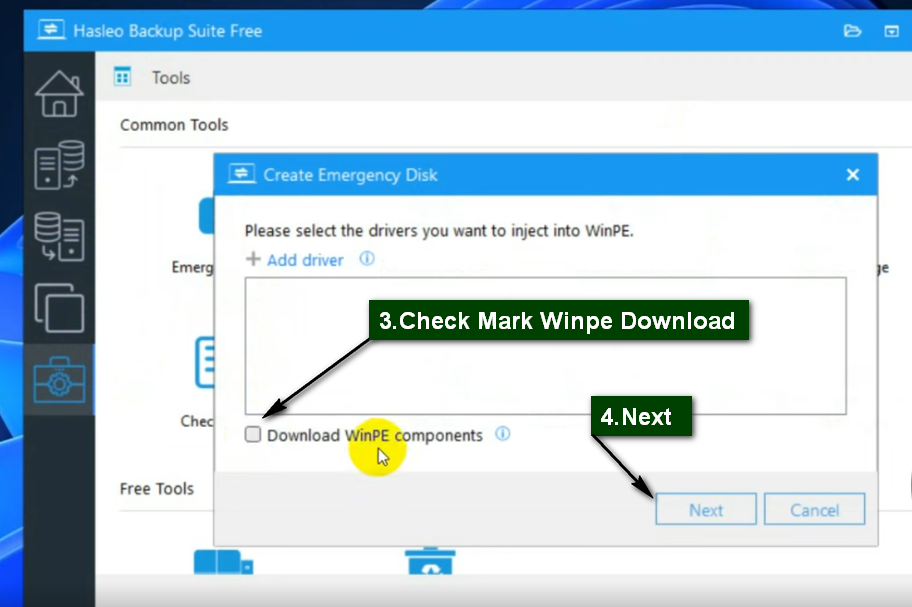
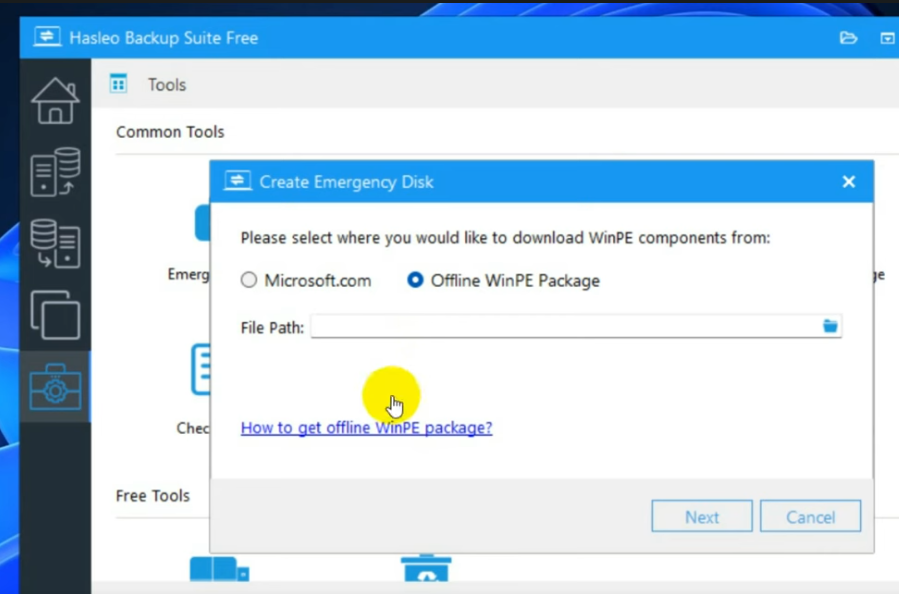
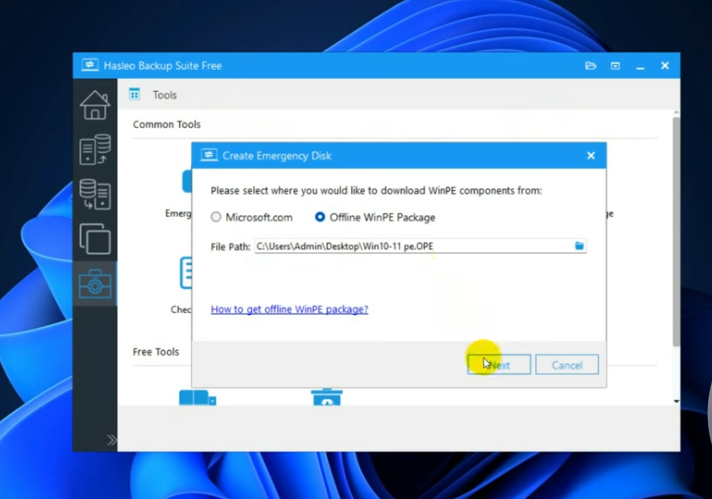
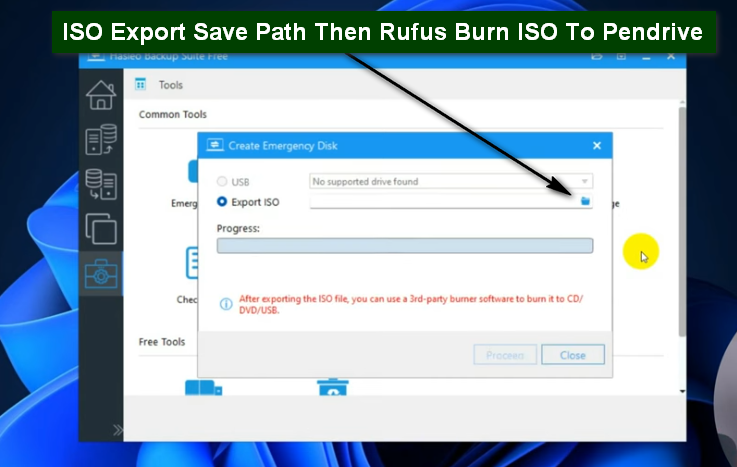
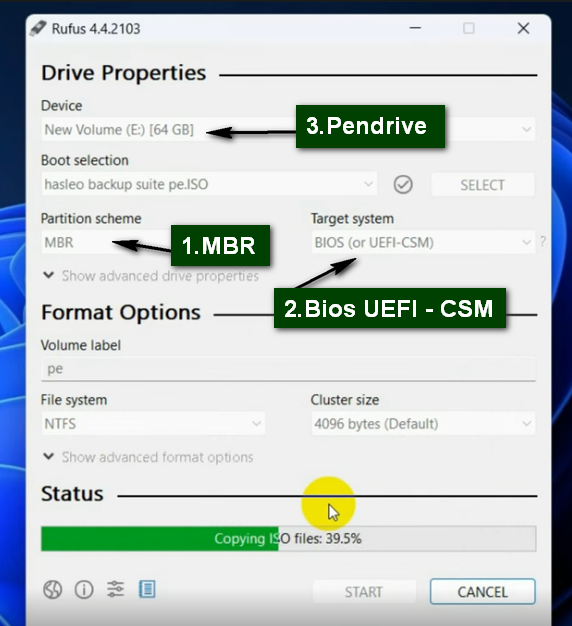
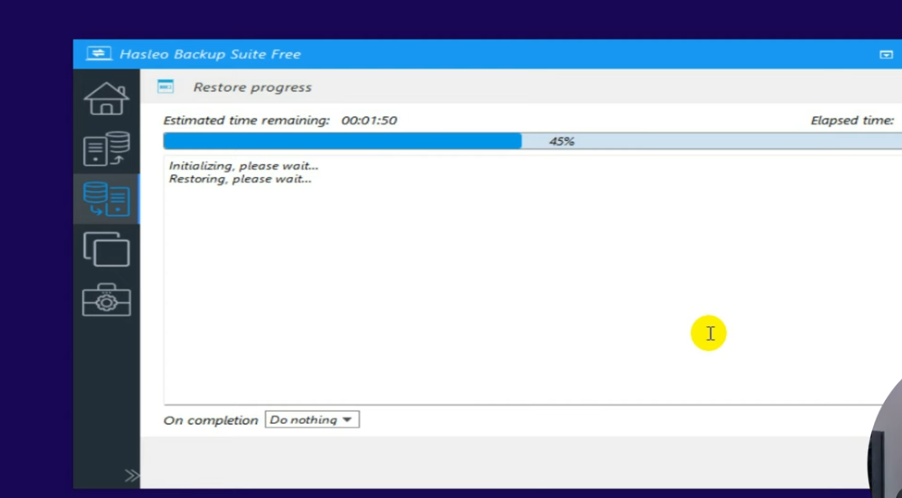
Haselo Backup Sute ISO For Boot Pendrive

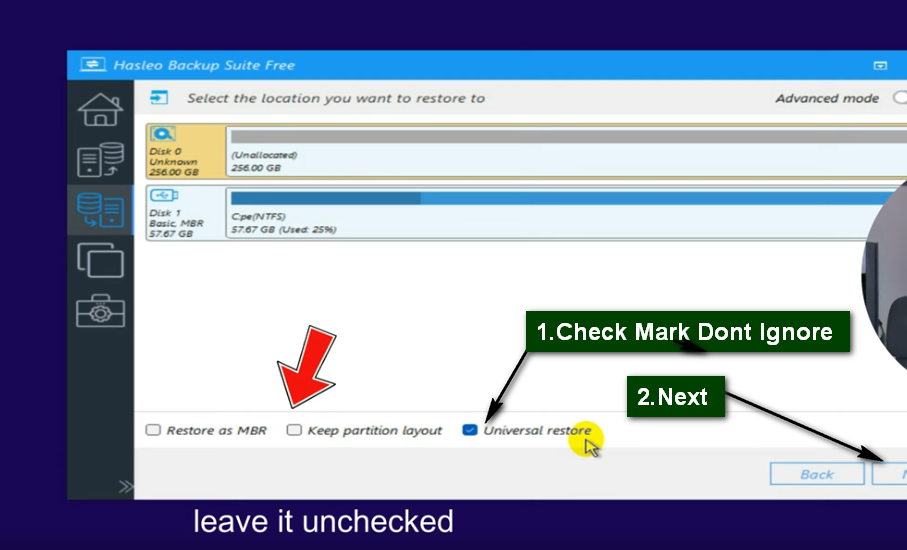
If we want to clone Windows to any other computer hardware then we have to. Build Haselo Winpe ISO Image

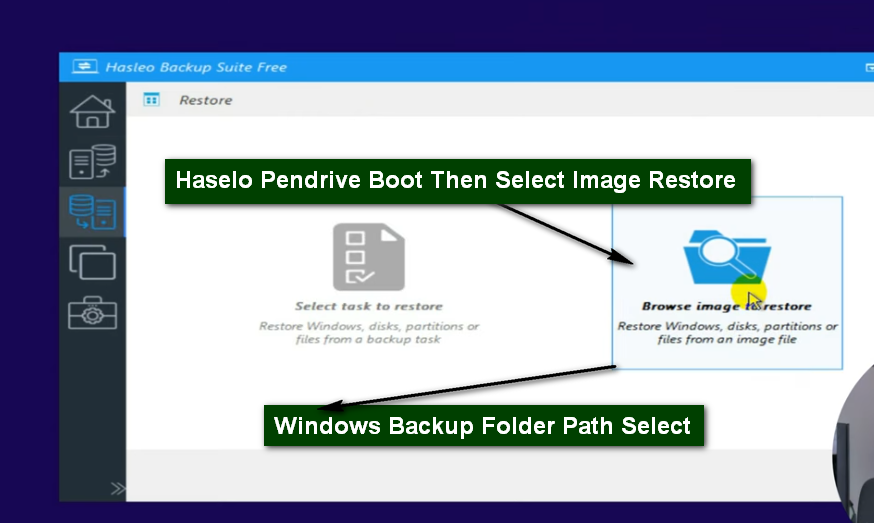
  • Windows Backup Folder File Copy To Pendrive
  • Then Boot order Change To Boot Haselo ISO Pendrive
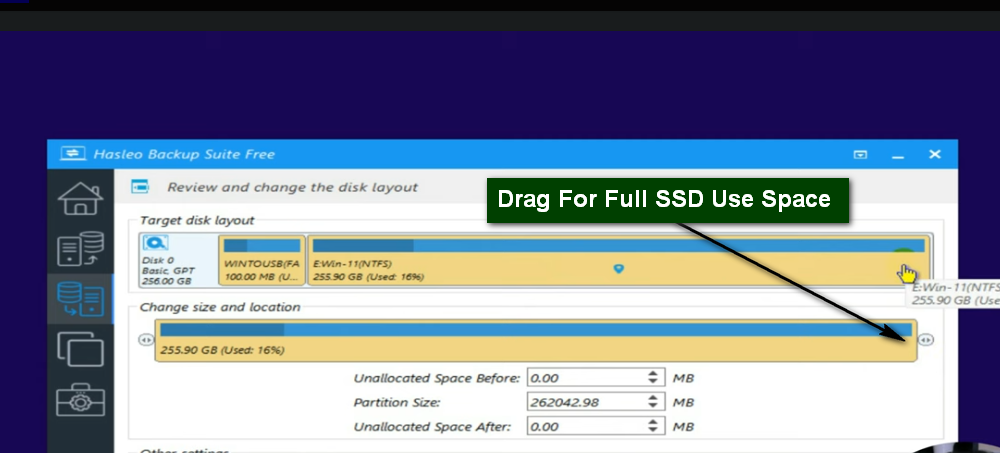
  • All Done then Boot For System SSD  New Hardware PC 

Usefull Run Commnds

				
					Windows Run Commnds
;;;;;;;;;;;;;;;;;;;

System Information Checking
...........................
control system
winver

Checking Windows Activate Or Not  And Original & Duplicate


Date and Time properties
........................
timedate.cpl


Sound Properties
.................
mmsys.cpl


System Properties Domain Join
.............................
sysdm.cpl


Remote Desktop
..............
mstsc


Program Uninstalling
....................
appwiz.cpl


Defult App
..........
computerdefaults


Device Management
.................
devmgmt.msc


Computer Management including System Tools, Storage, Services
.............................................................
compmgmt.msc


Disk Partition Manager
.......................
diskmgmt.msc


Group Policy Editor
...................
gpedit.msc


Local Security Policy Settings
..............................
secpol.msc


Network properties
..................
ncpa.cpl


Device Manager
.............
devmgmt.msc


Windows Firewall Properties
...........................
firewall.cpl


Shared Folders
..............
fsmgmt.msc


Microsoft Licenceing
1. Check Windows Activation Status

Command:

				
					slmgr /xpr


What it does:

  • Opens a small window telling you if Windows is activated.
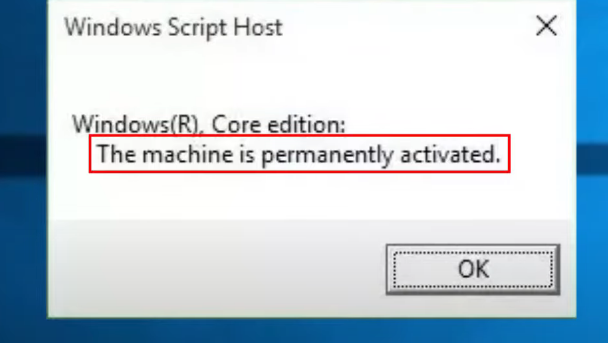
  • If it says: “The machine is permanently activated”, then your Windows is activated.

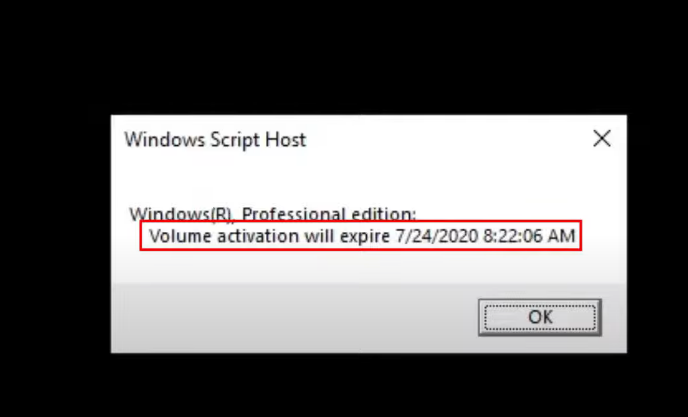
  • Volume Activation Expire Date then Windows not  Genuine

2. Check Activation Details (including license type)

Command:

				
					slmgr /dlv


What it shows:

  • Activation status

  • License type (Retail, OEM, Volume)

  • Partial product key

  • Activation expiration (if any)

3. Check Product Key Channel (OEM / Retail / Volume)

Command:

				
					slmgr /dli


What to look for:

  • Retail – Purchased and transferable.

  • OEM – Comes pre-installed on a device, tied to hardware.

  • Volume – Used by organizations (may require activation via KMS server).