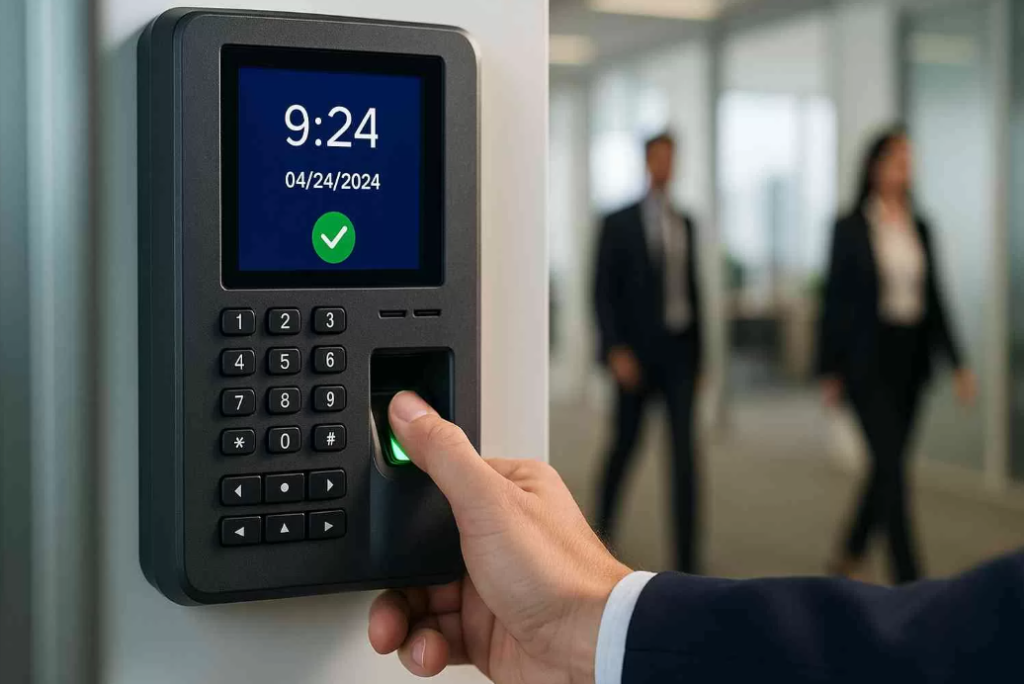
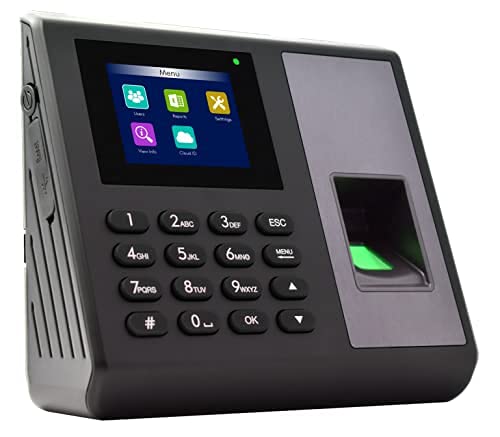
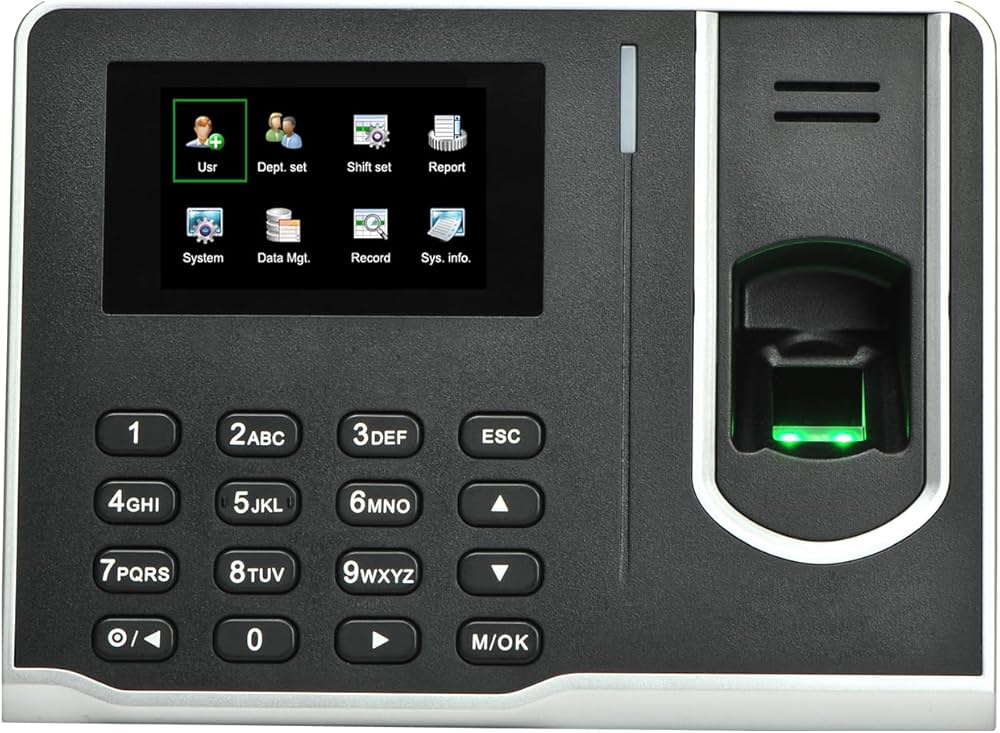
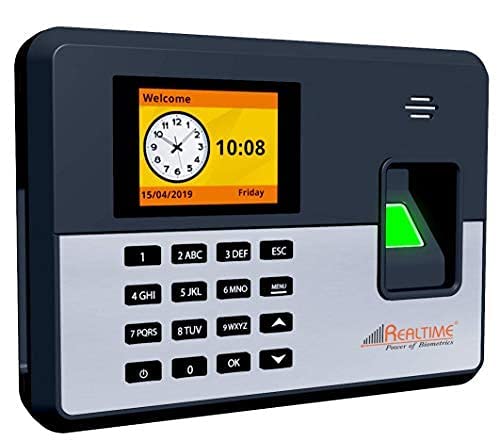
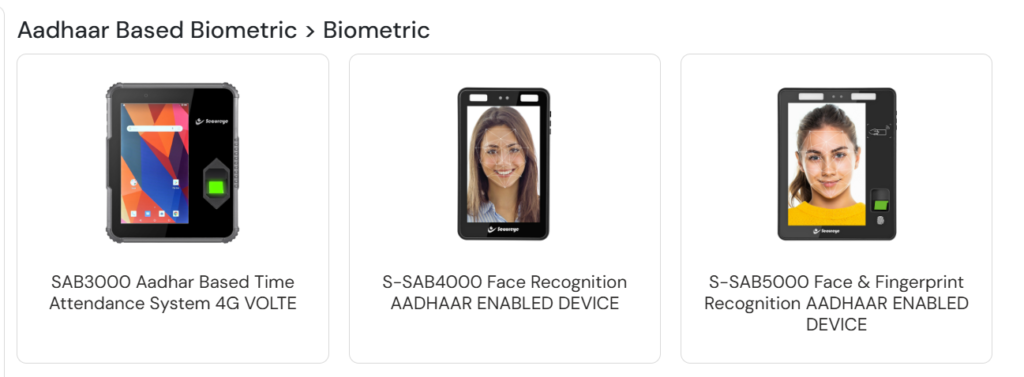
1. Fingerprint Recognition:
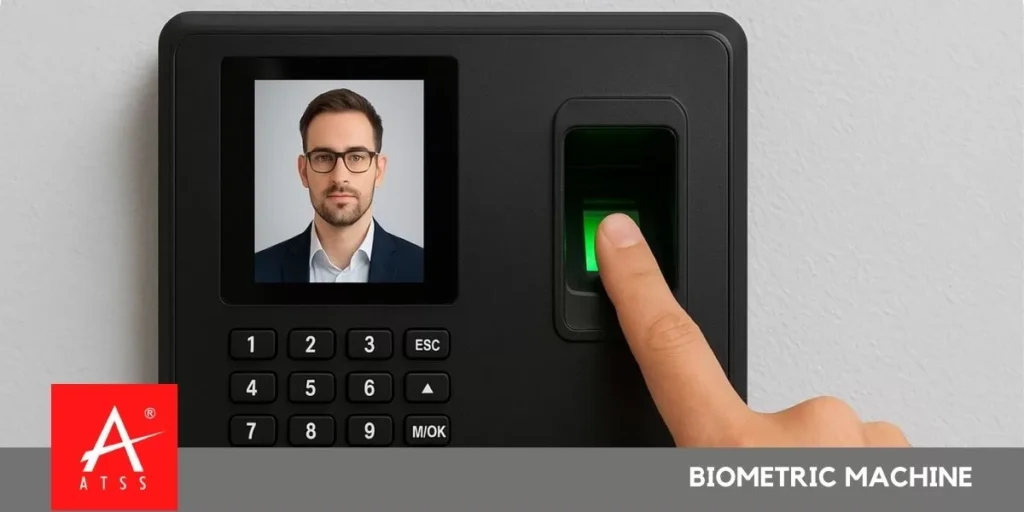
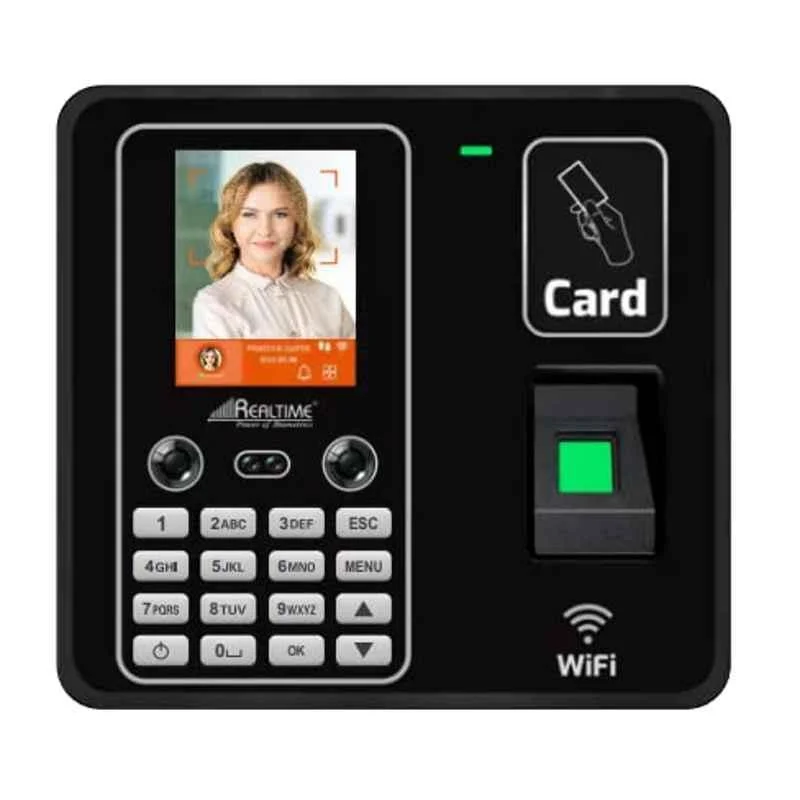
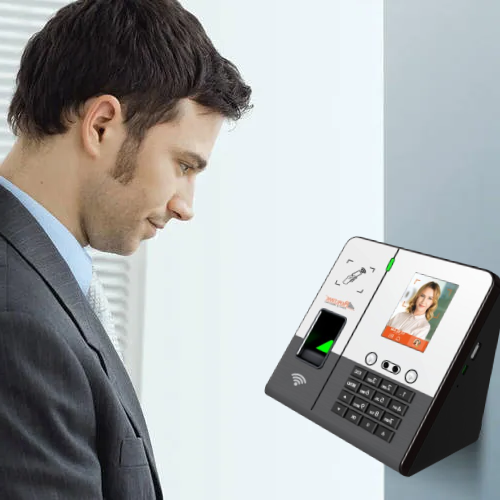
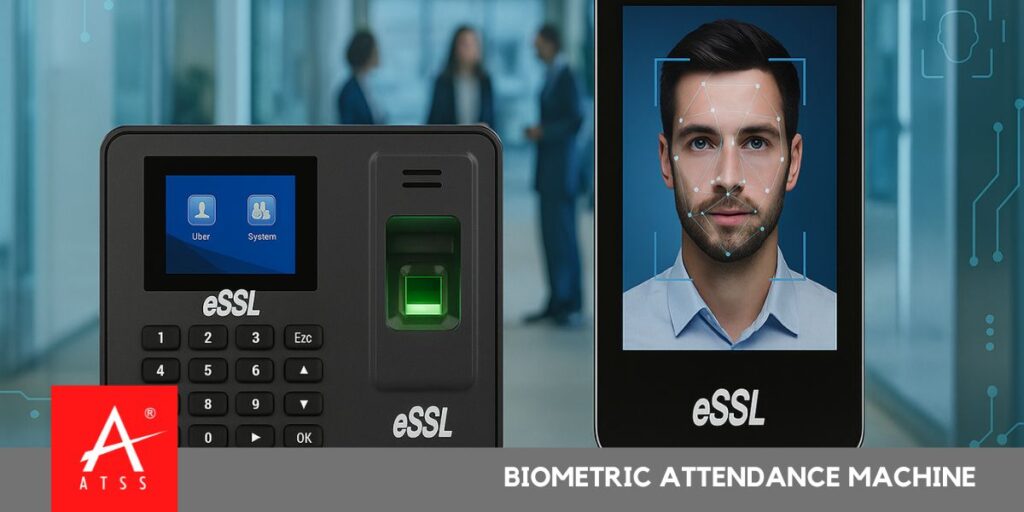
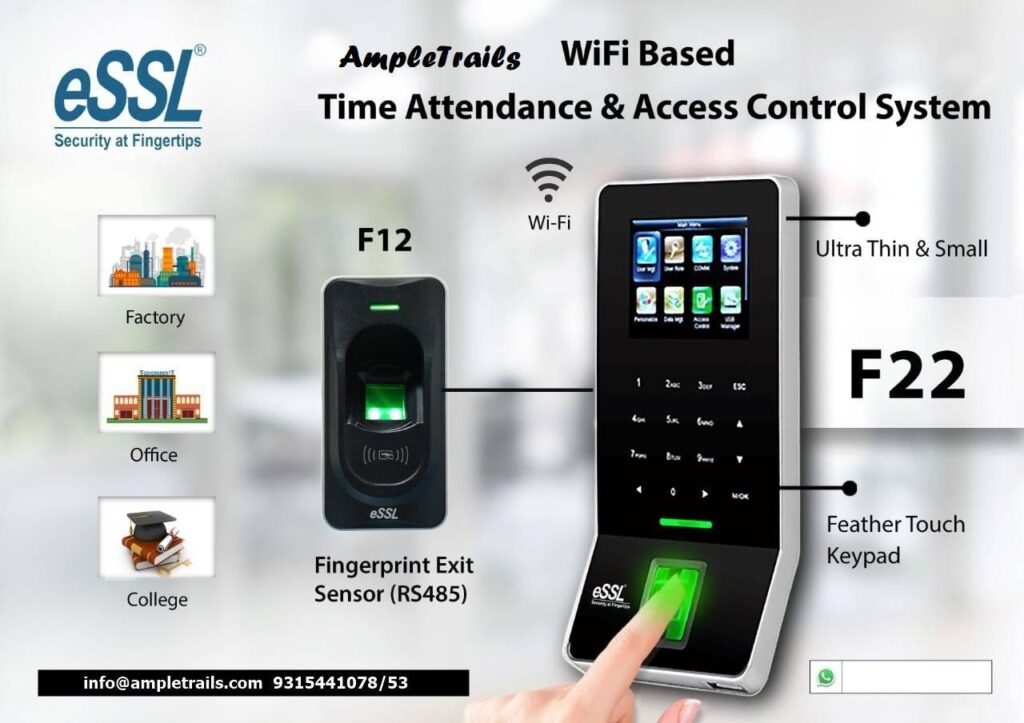
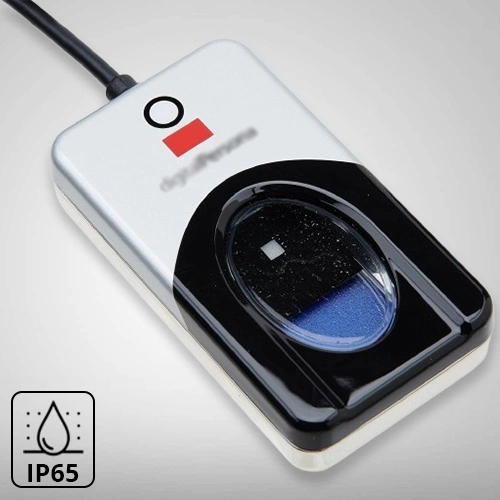
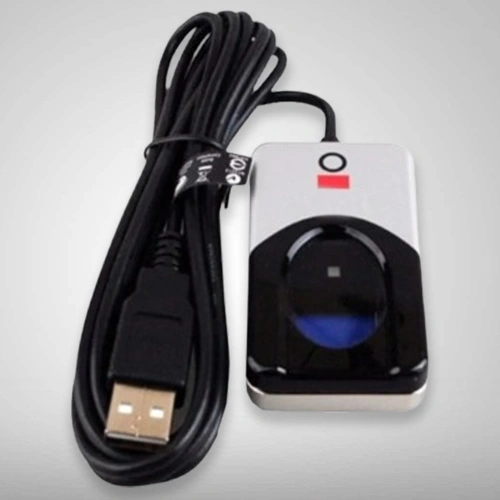
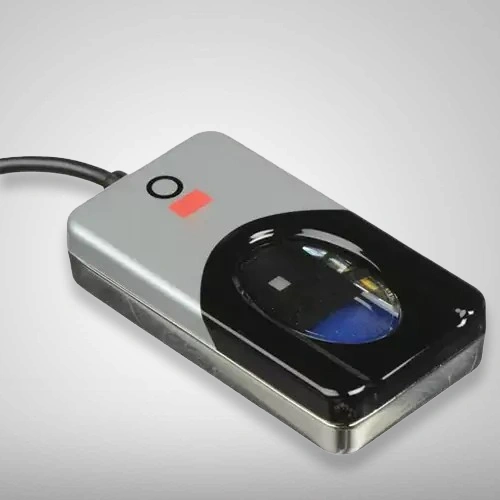
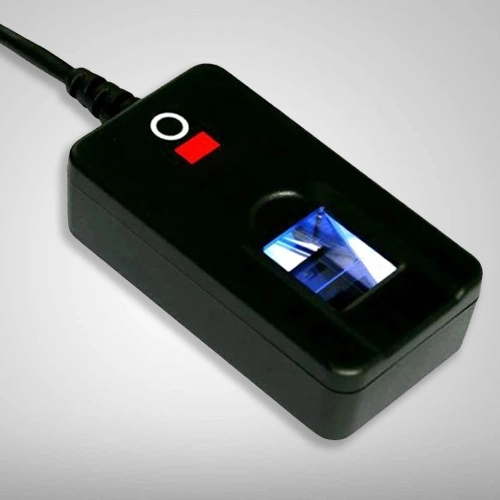
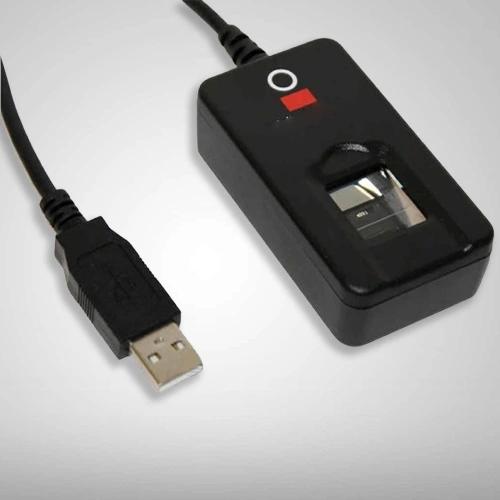
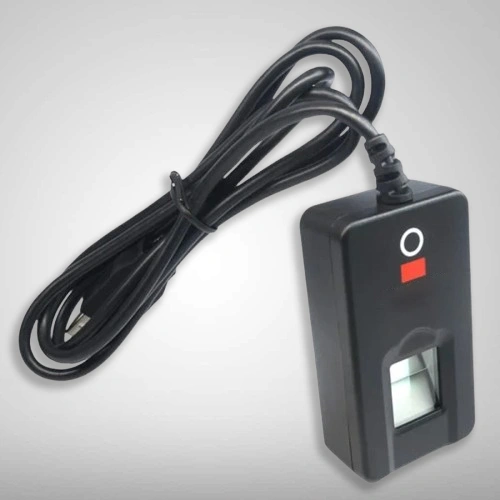
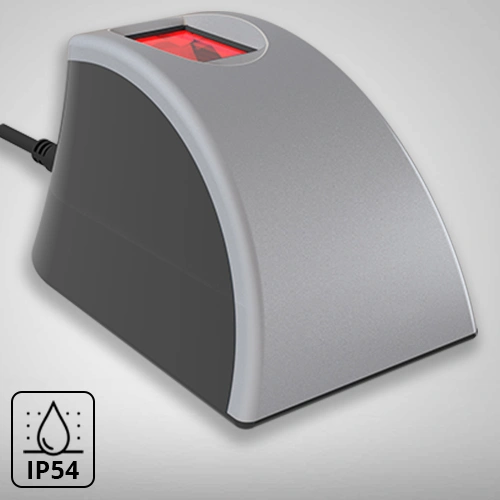
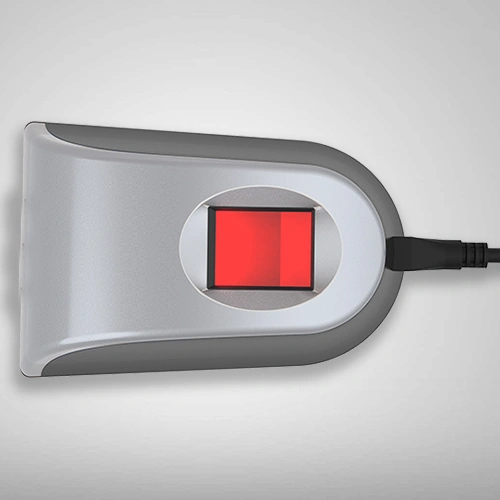
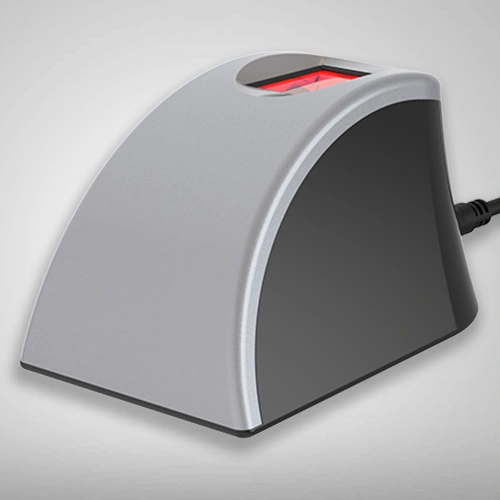
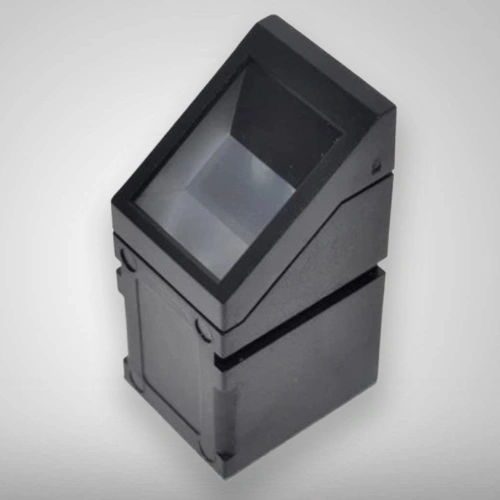
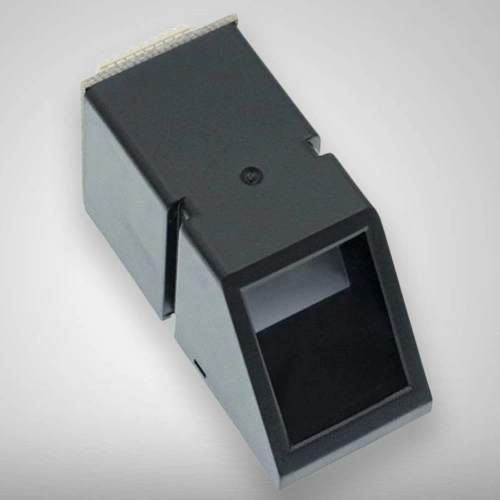
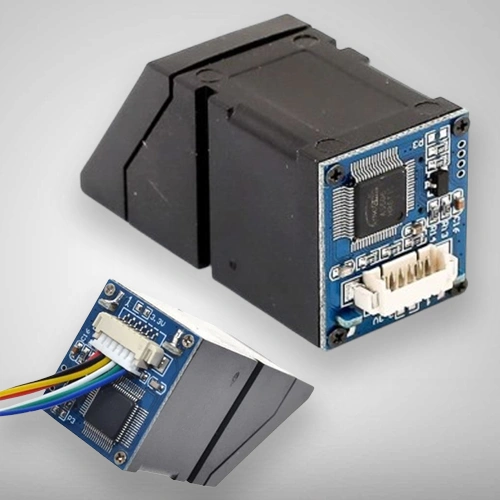
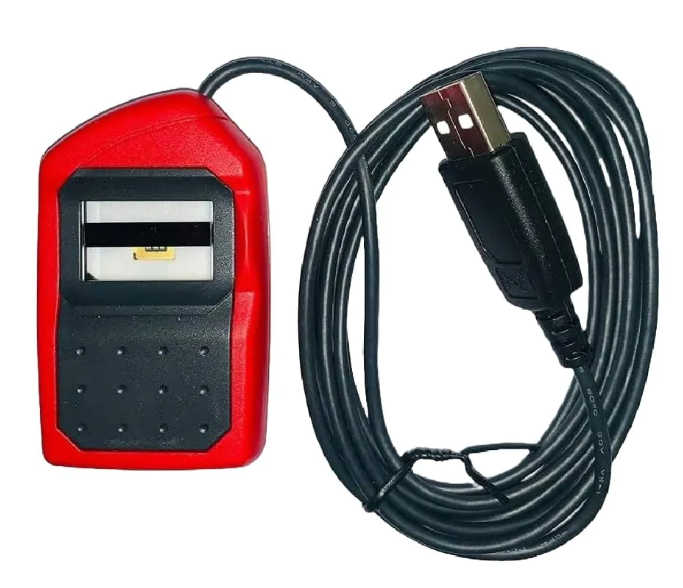
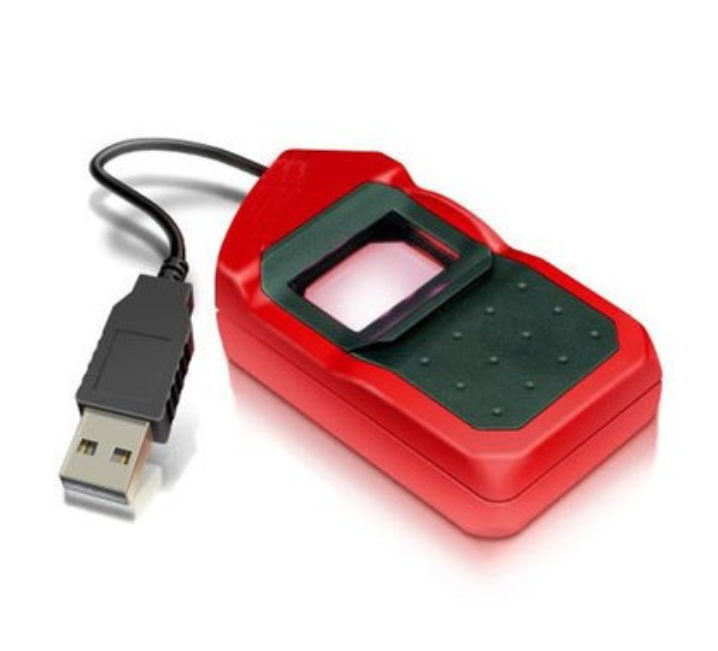
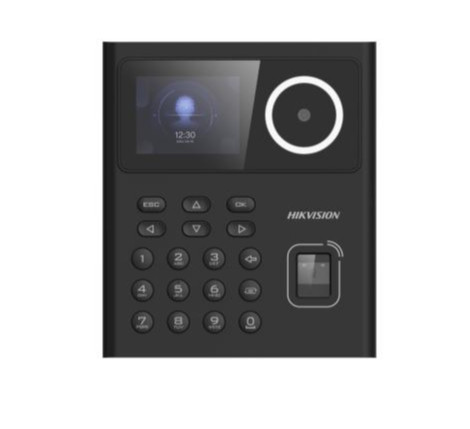
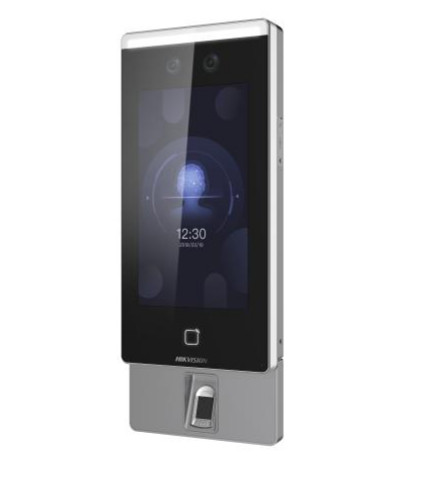
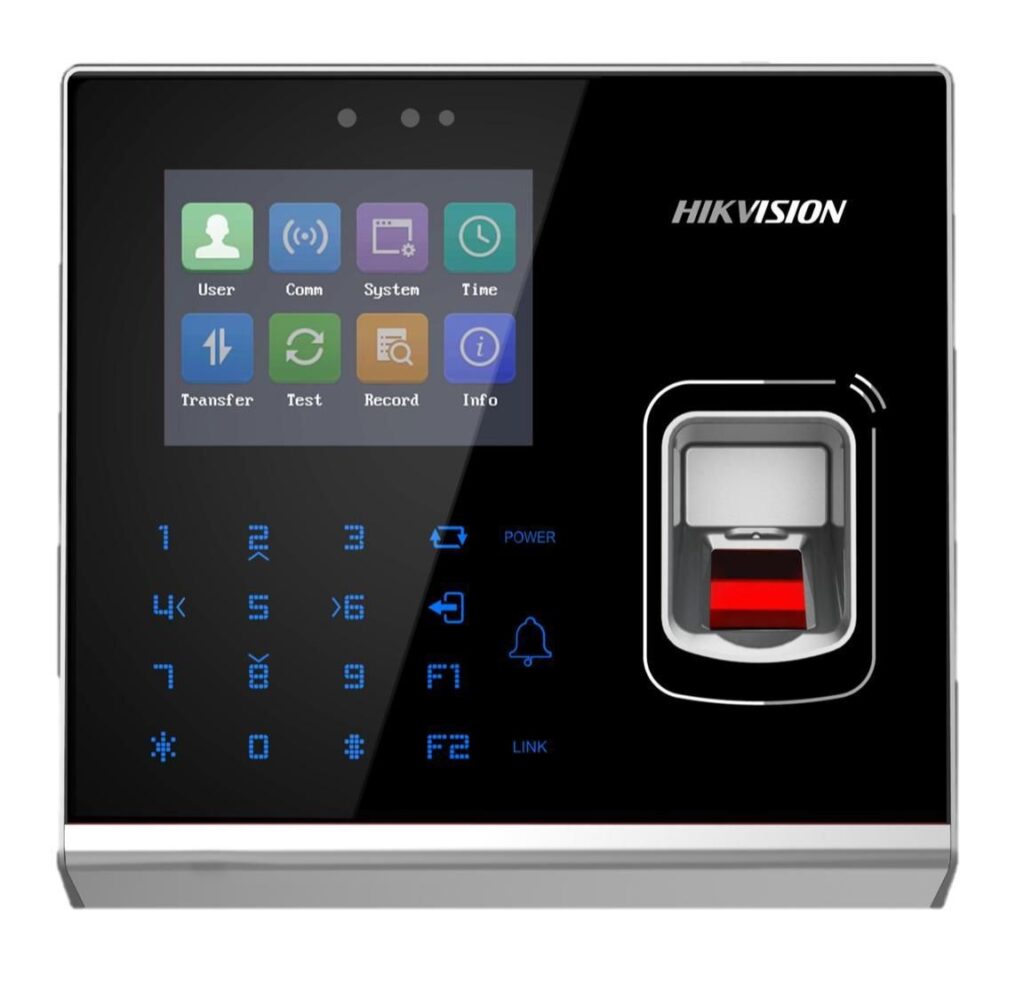
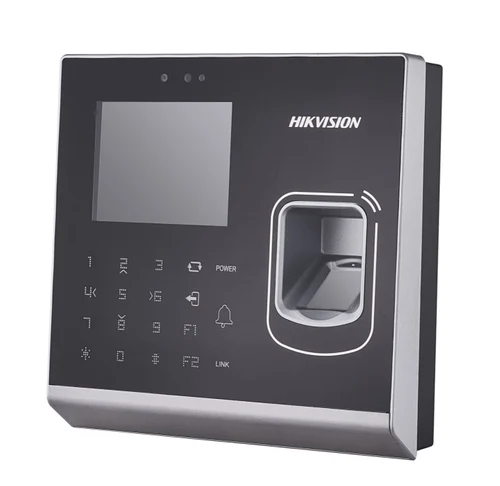
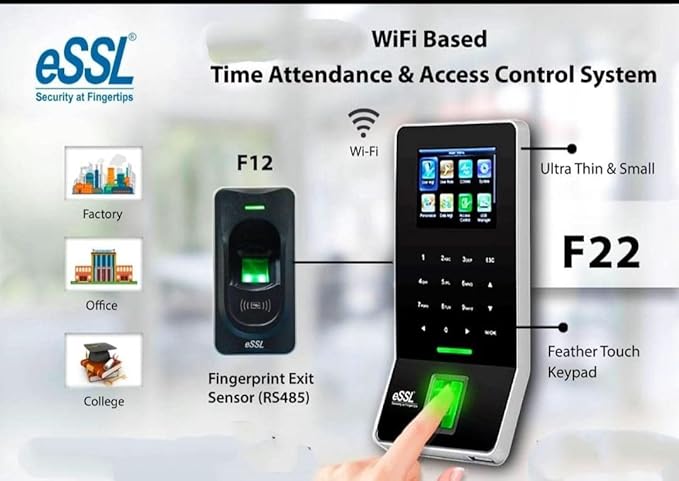
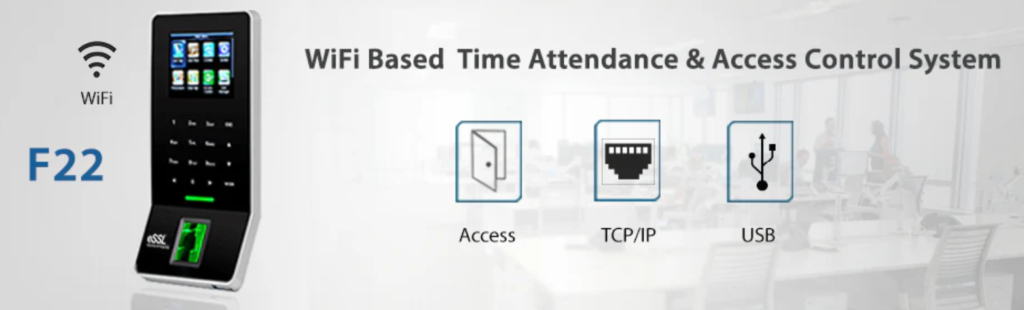
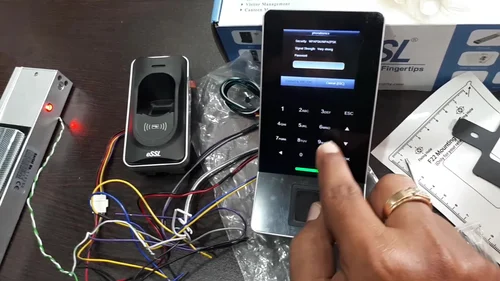
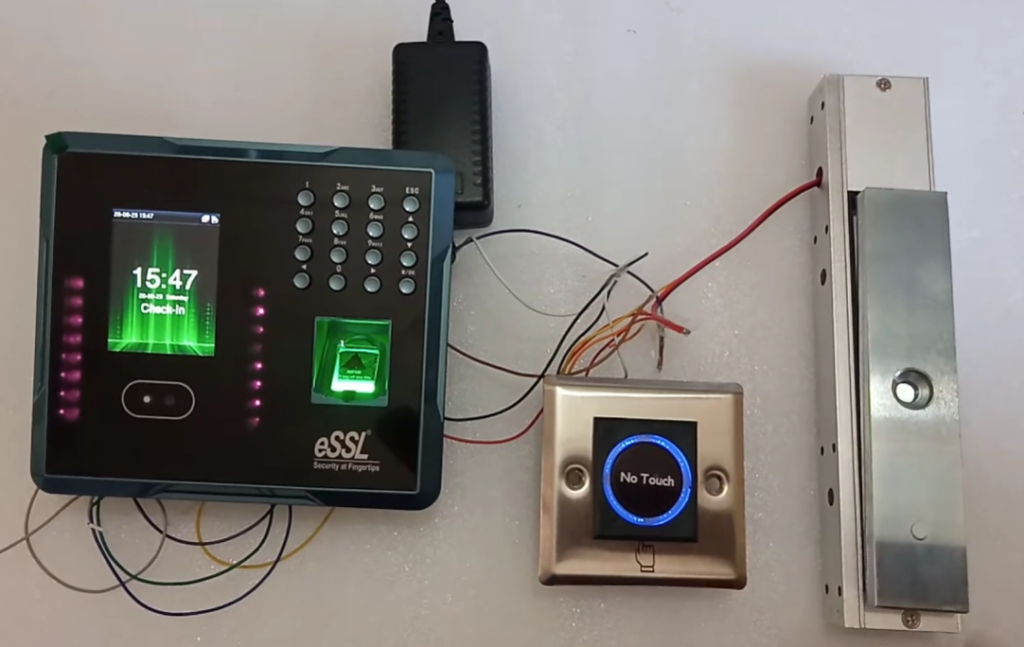
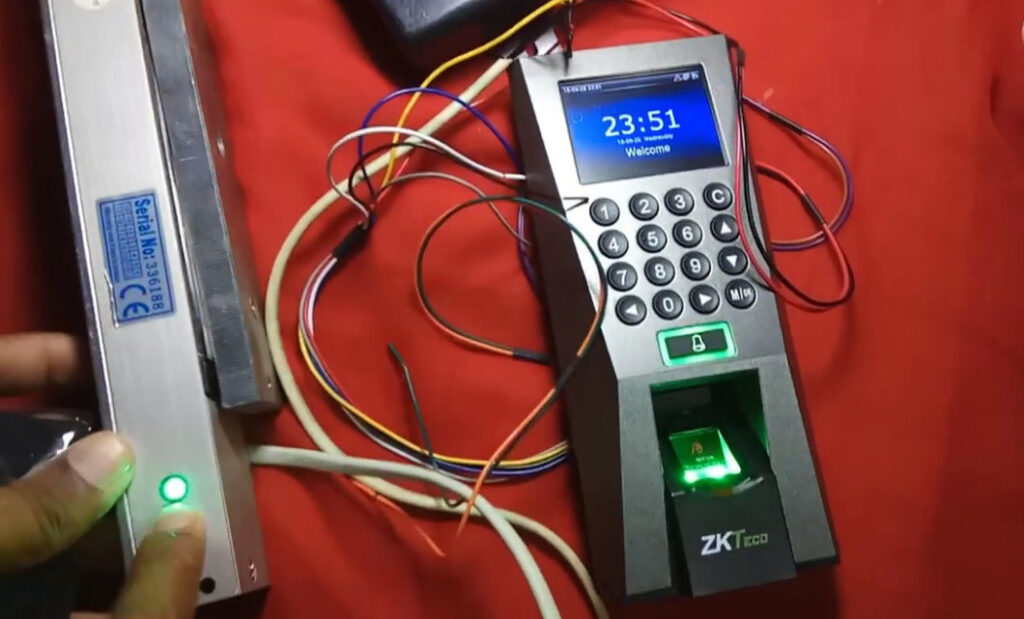
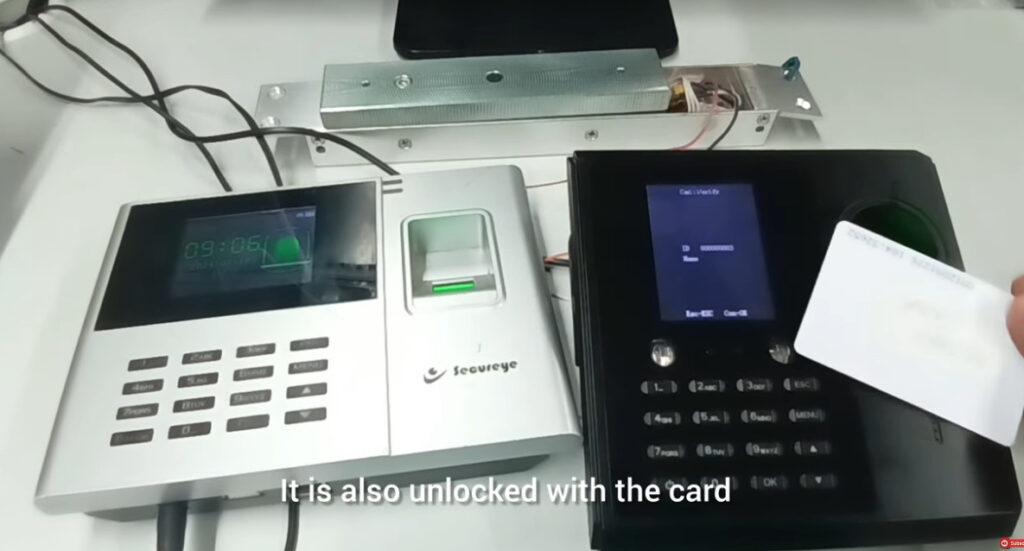
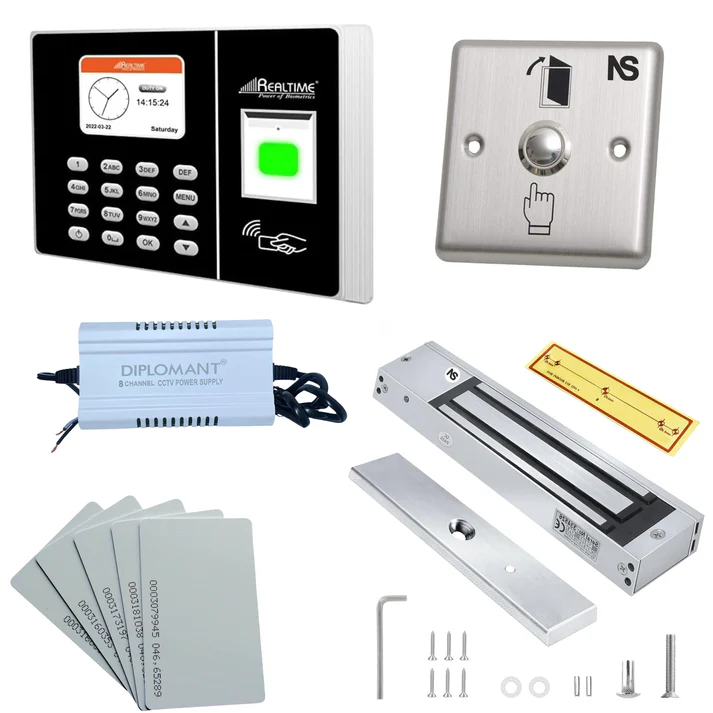
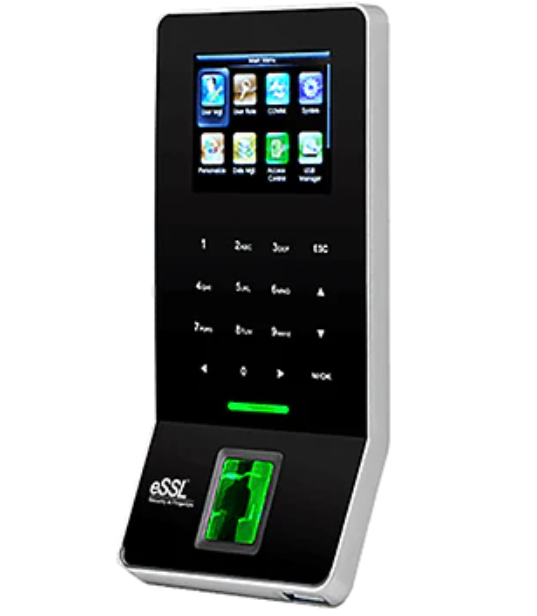
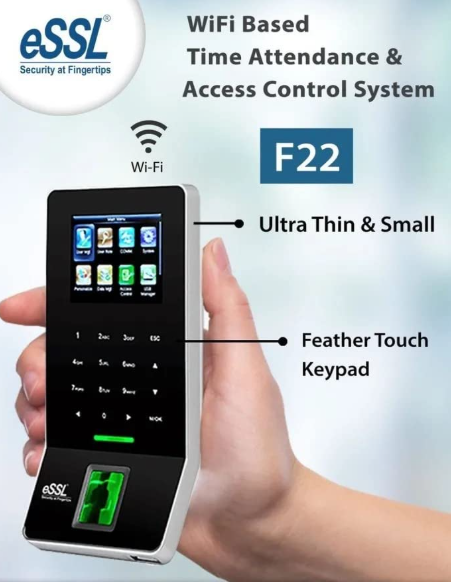
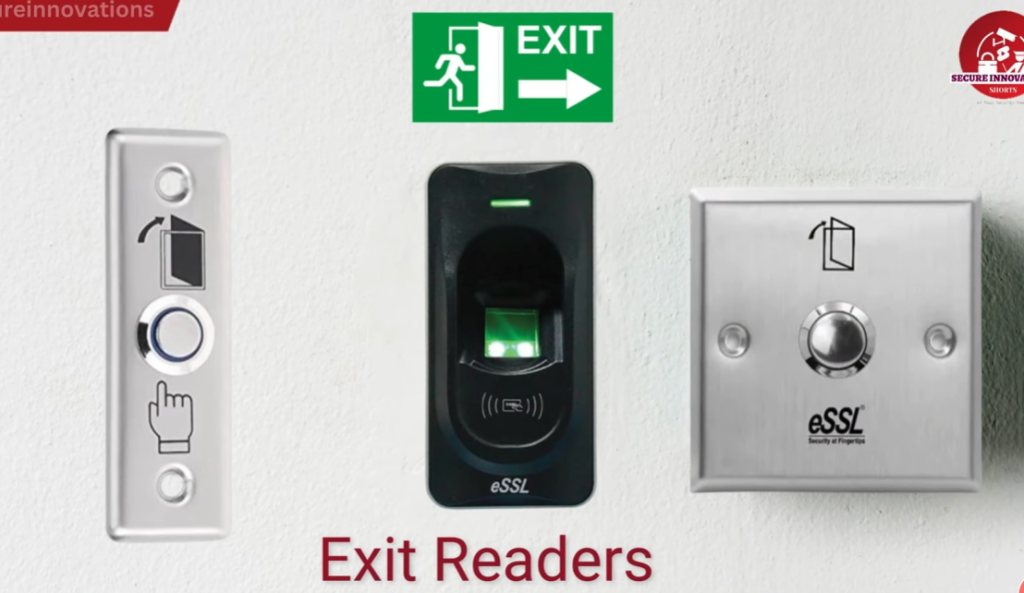
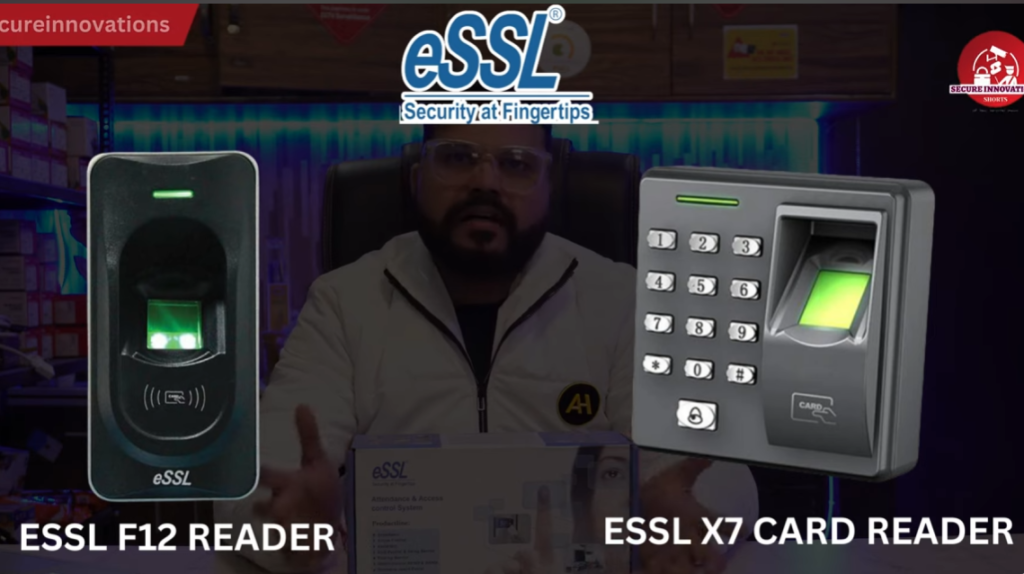
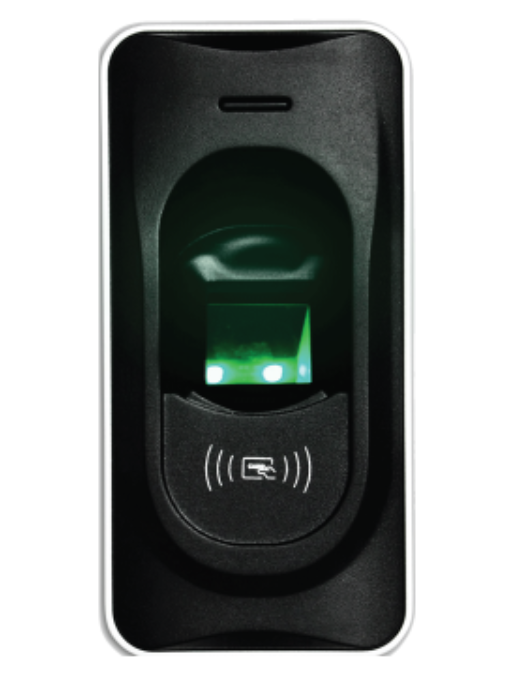
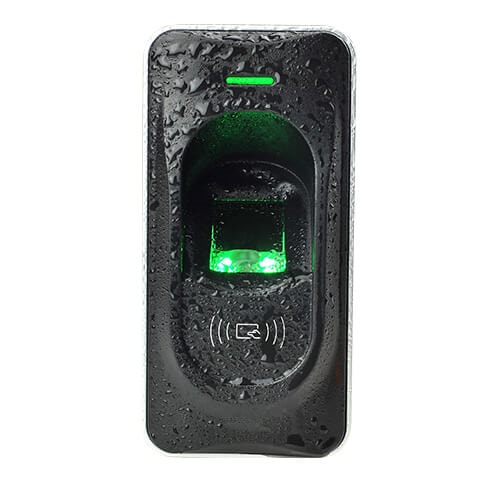
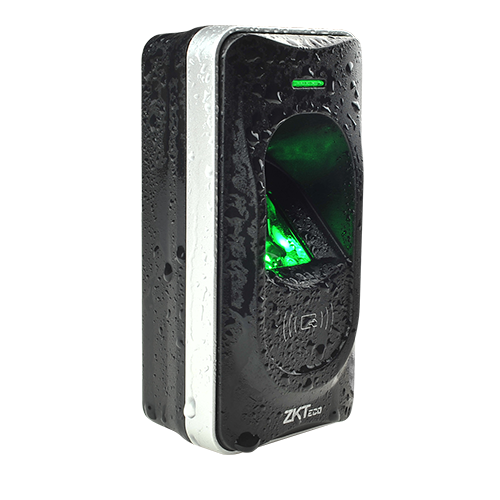
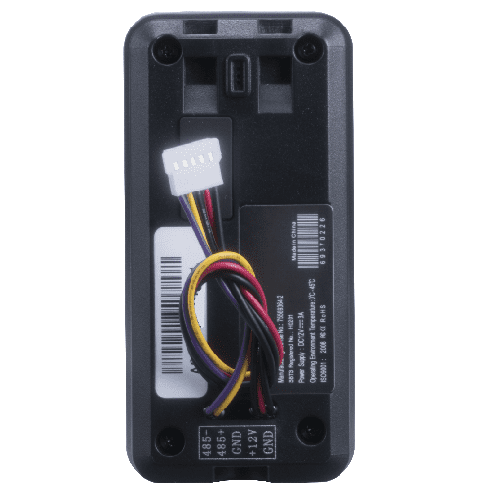
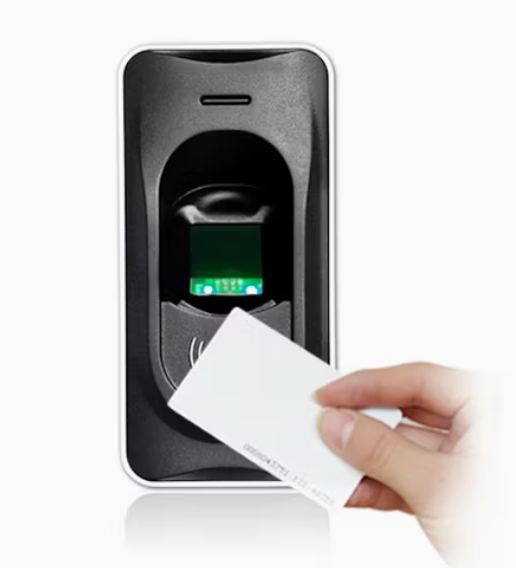
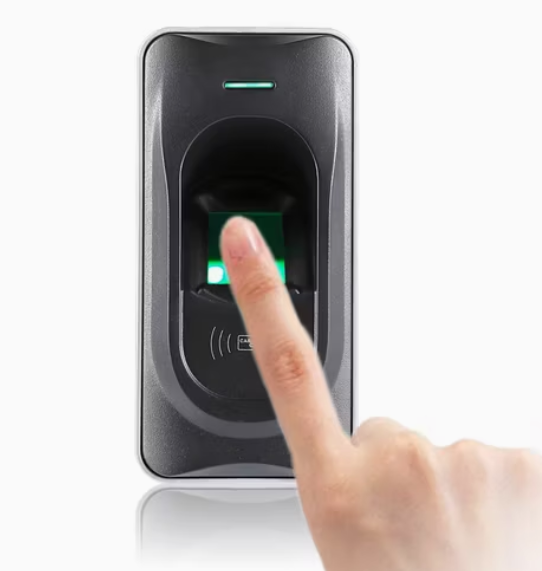
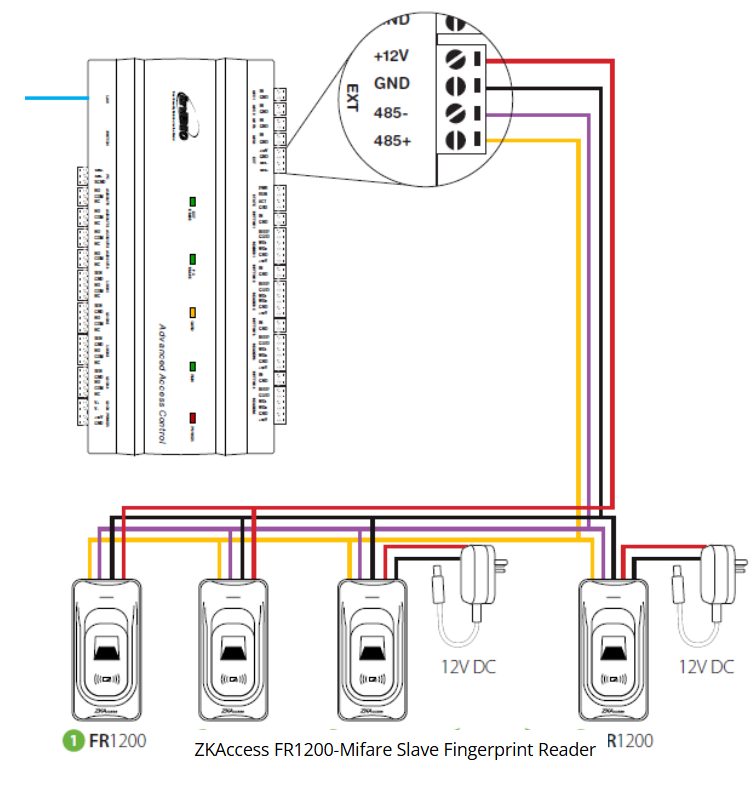
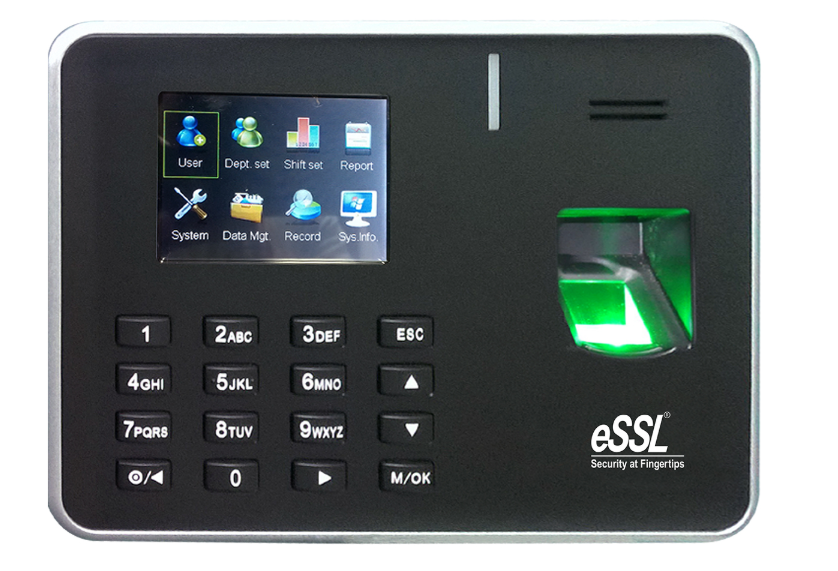
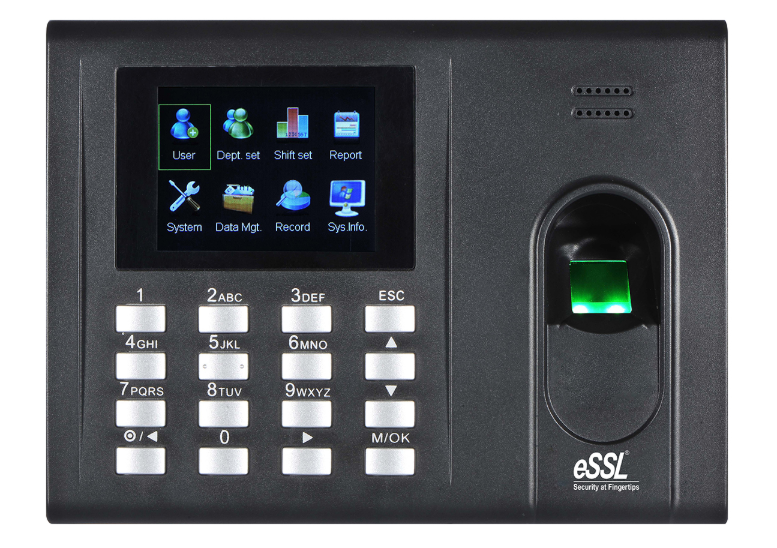
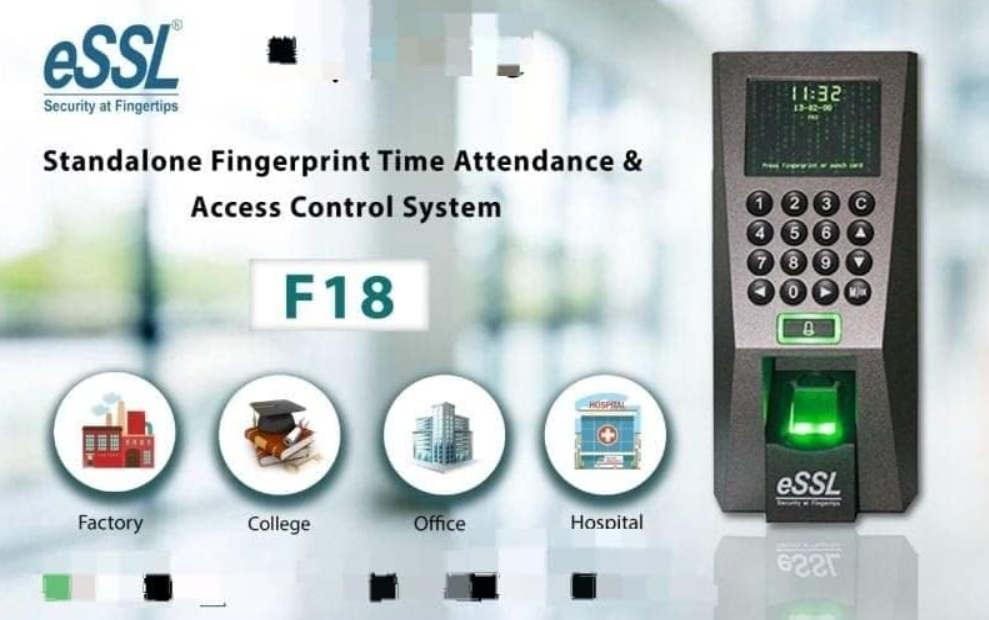
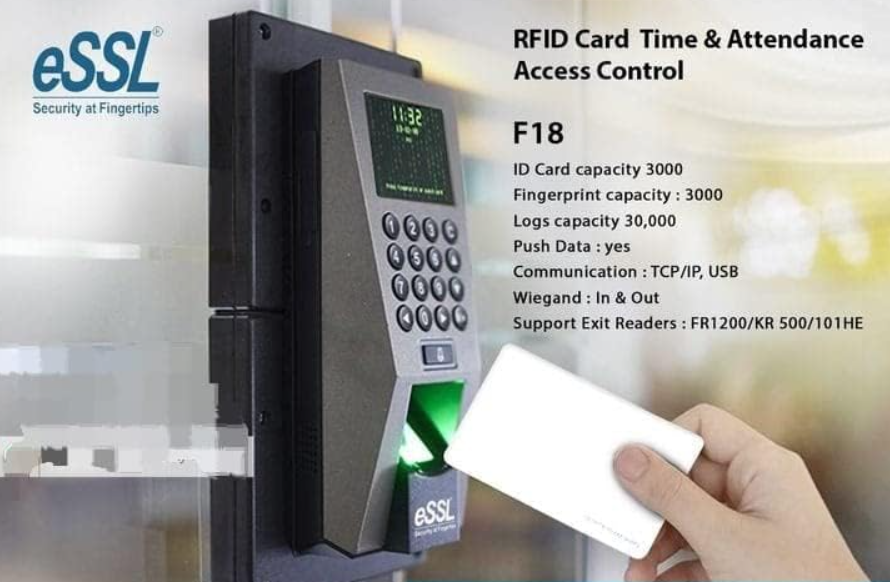
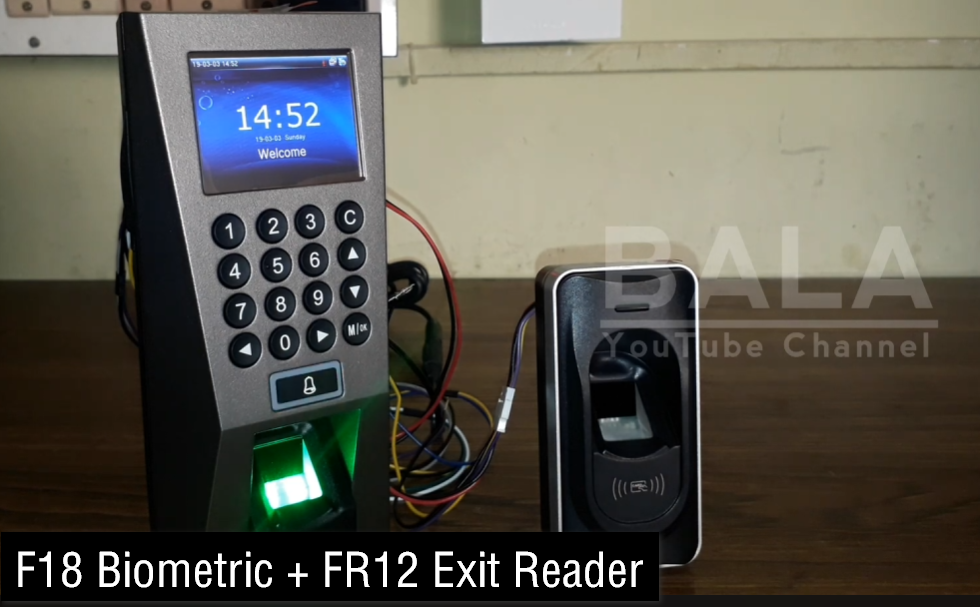
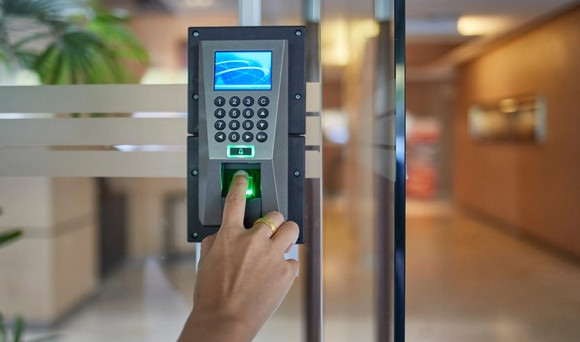
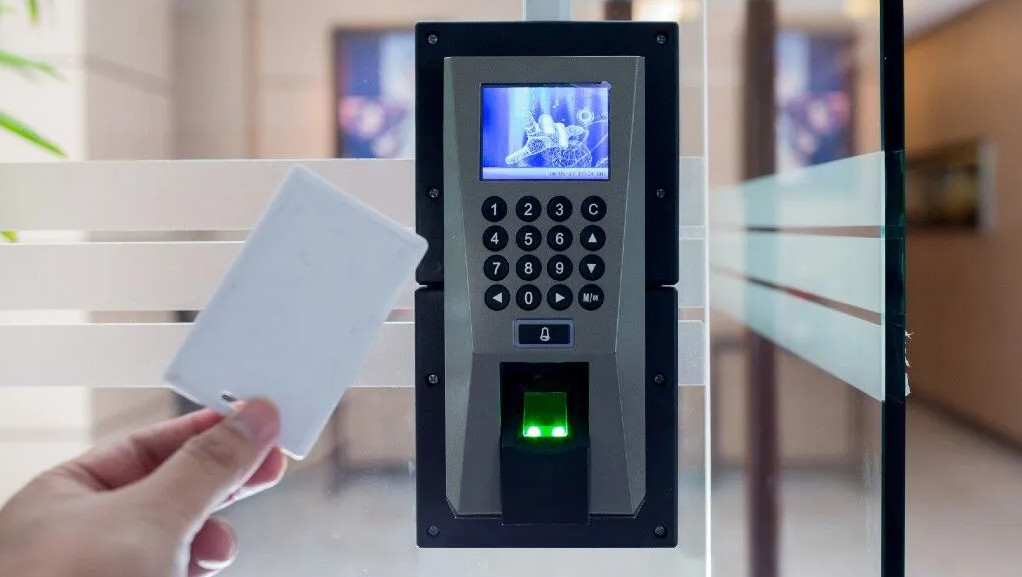
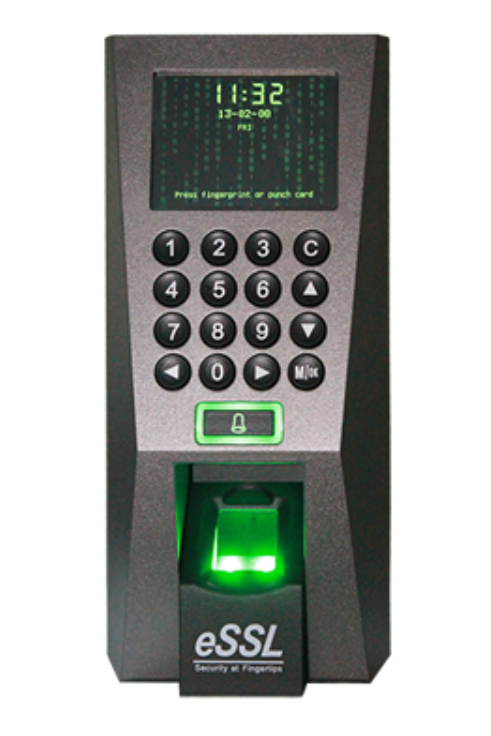
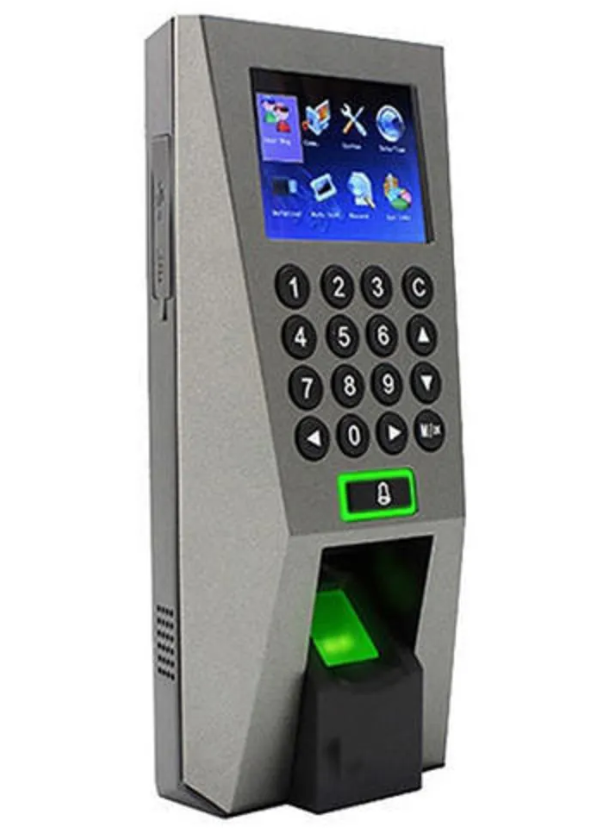
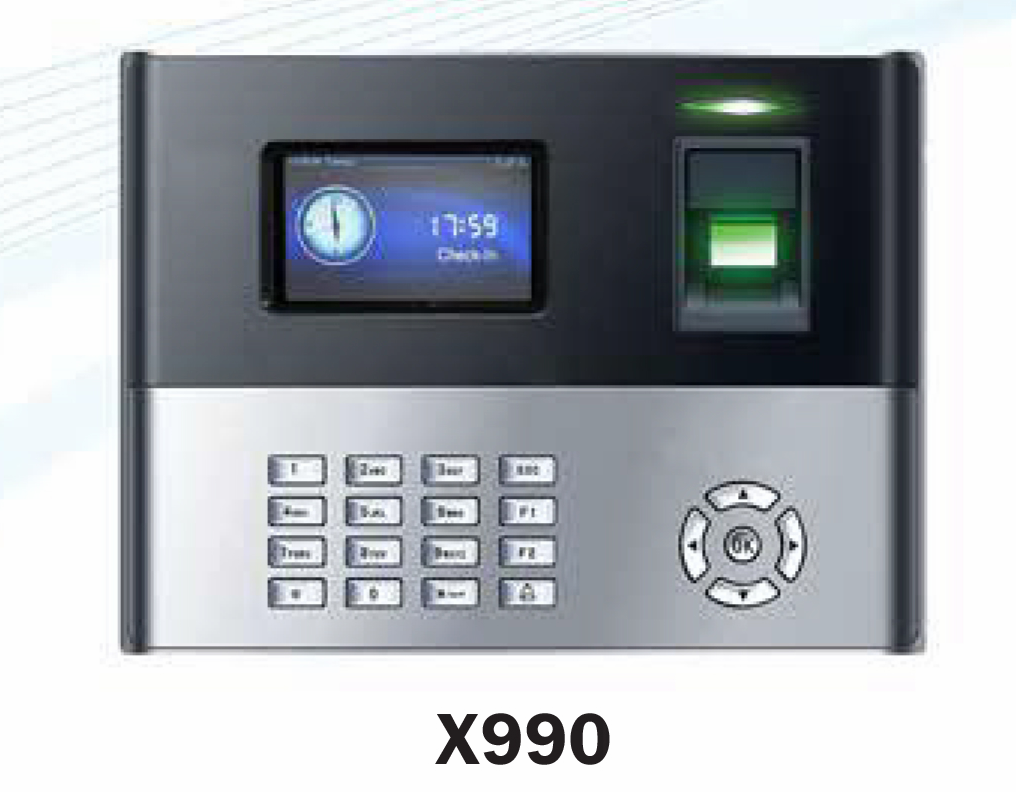
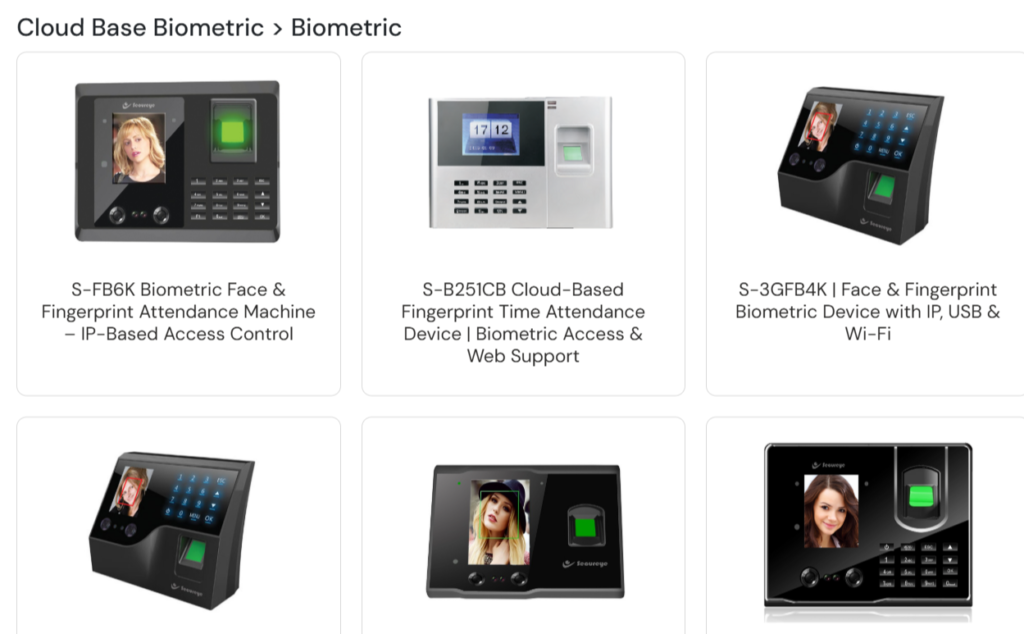
Fingerprint recognition is the most commonly used biometric technology. It identifies a person by scanning unique fingerprint patterns such as ridges and lines. Every person’s fingerprint is different, so it provides good security and accurate identification.This type is widely used in offices, schools, banks, and attendance systems because it is simple, fast, and low cost.
Example:
Employee places finger on biometric device for attendance marking.
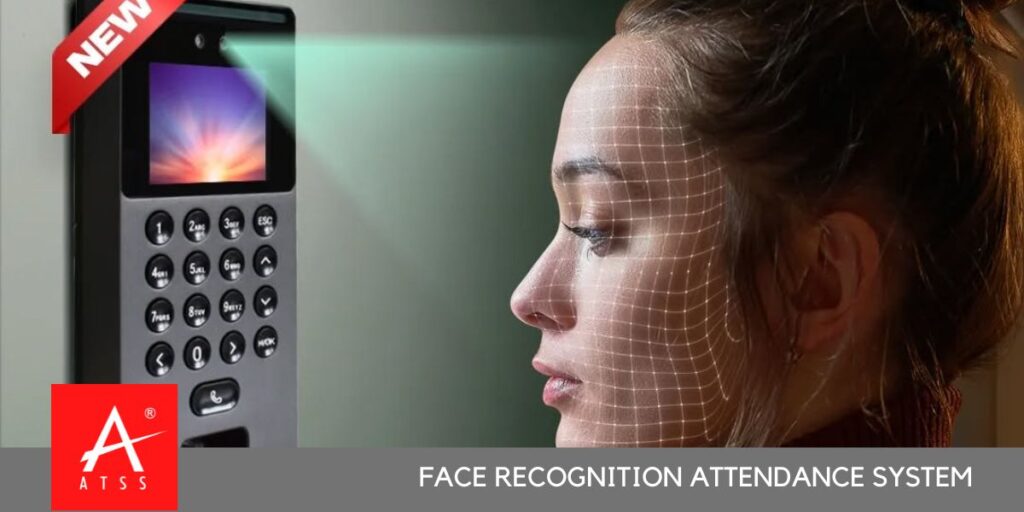
2. Face Recognition:
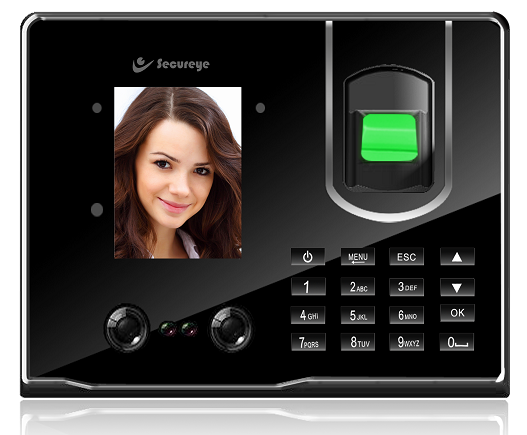
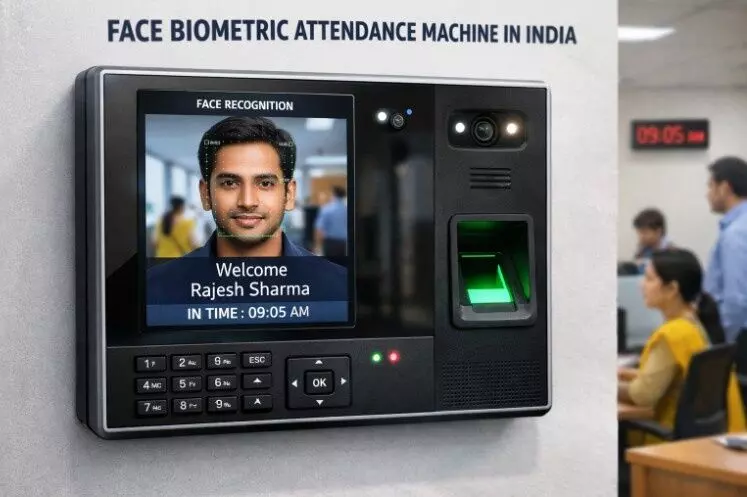
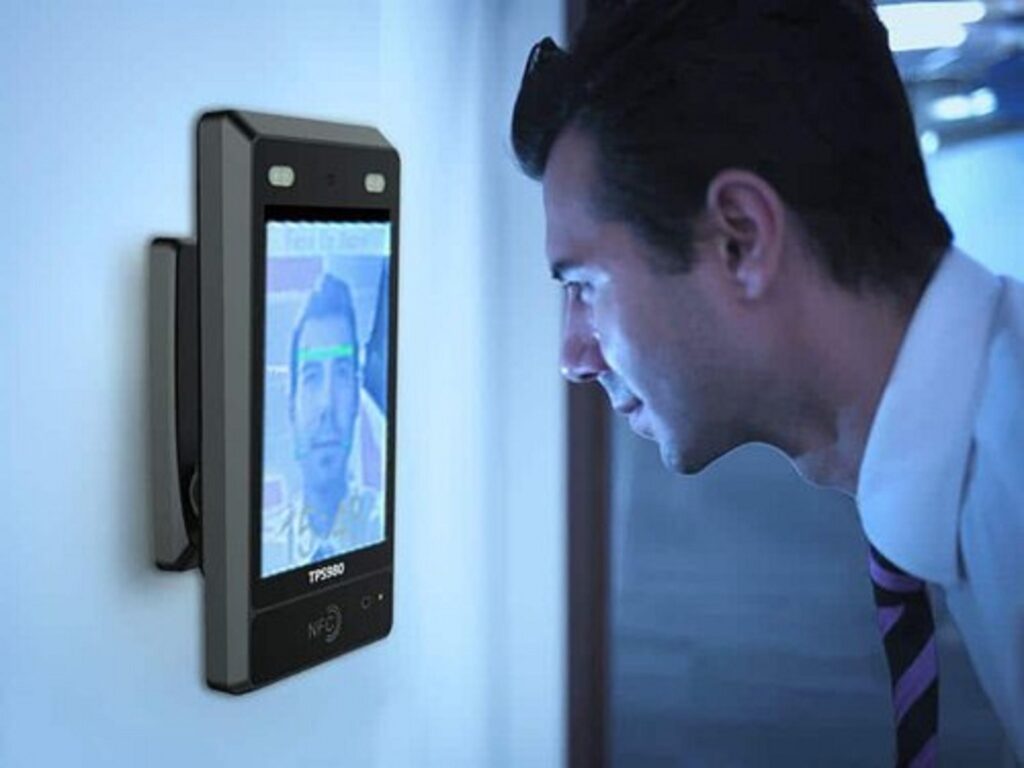
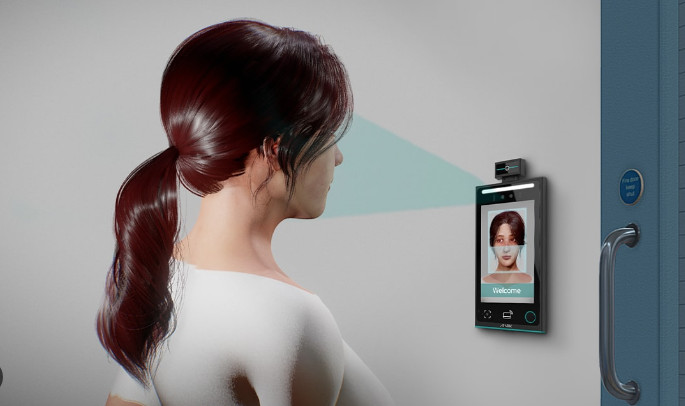
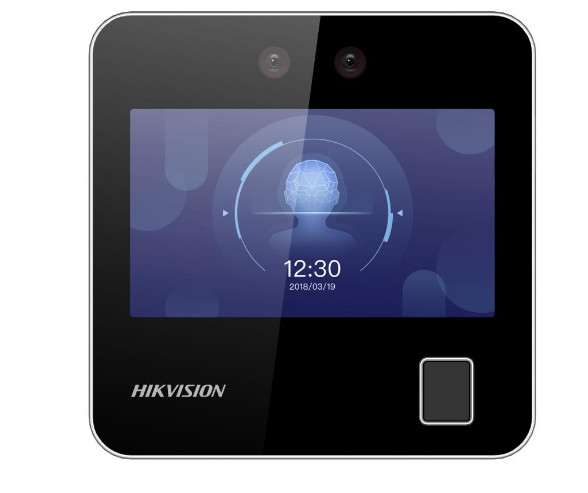
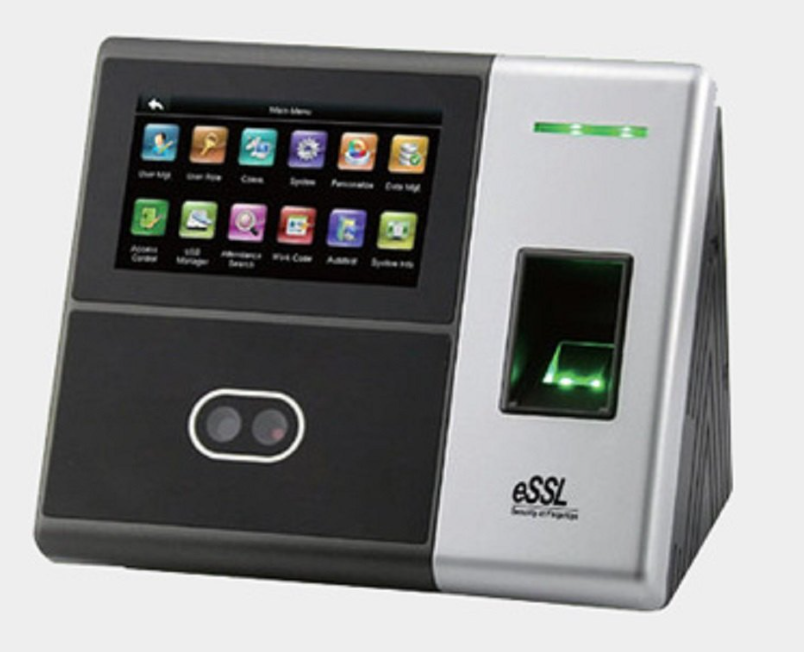
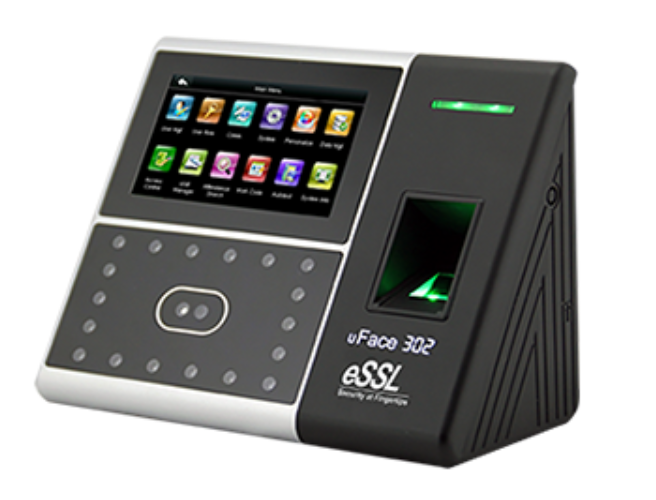
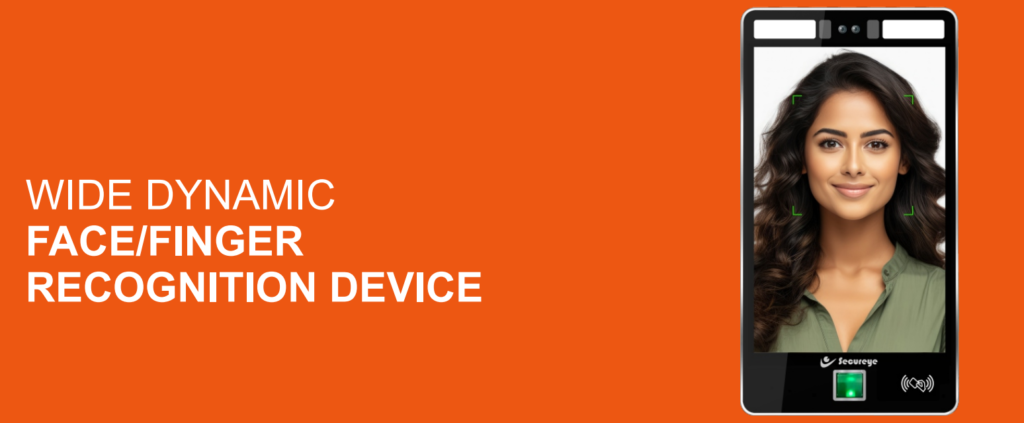
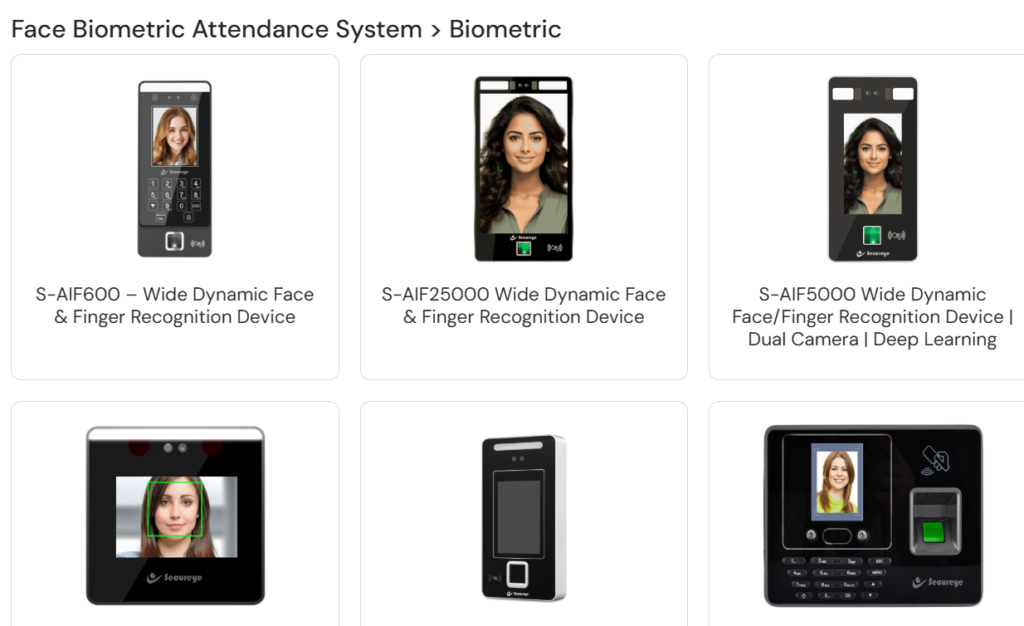
Face recognition identifies a person by analyzing facial features such as eyes, nose, jaw shape, and face distance. The device captures a face image and compares it with stored records.This method is contactless and useful in high-security areas, airports, and modern attendance systems.
Example:
Employee stands in front of device and attendance is marked automatically.
3. Iris Recognition:
Iris recognition scans the colored part of the eye called the iris. The iris pattern is highly unique and provides very high security.This biometric type is mostly used in government, military, research centers, and high-security organizations.
Example:
Airport security system verifies passenger identity using iris scan.
4. Retina Recognition:
Retina recognition scans blood vessel patterns inside the human eye retina. It is one of the most secure biometric methods but requires specialized hardware.This system is less common because scanning is complex and expensive.
Example:
Used in highly secure defense or laboratory environments.
5. Palm Recognition:
Palm recognition identifies a person using palm print patterns, palm veins, or hand geometry. It provides better accuracy than fingerprints in some environments.This system is commonly used in industries, hospitals, and access control systems.
Example:
Factory worker scans palm for secure entry.
6. Voice Recognition:
Voice recognition identifies a person by analyzing voice patterns, tone, and speaking style. The system compares the voice with stored voice samples.This biometric type is commonly used in banking call centers and mobile assistants.
Example:
Bank customer verifies identity through voice authentication.
7. Signature Recognition:
Signature recognition verifies a person’s handwritten signature style, speed, and pressure pattern.It is mostly used in banks, legal systems, and digital document verification.
Example:
Customer signs digitally on bank verification device.
8. DNA Recognition:
DNA recognition identifies a person using genetic information from blood, hair, or body samples. It is highly accurate but very slow and expensive.This system is mainly used in forensic science and criminal investigations.
Example:
Police use DNA matching in criminal case investigations.