What Is Accounting?
Accounting is the process of recording, classifying, summarizing, and interpreting financial transactions of a business.
It helps businesses:
- Know their financial position
- Track income and expenses
- Make informed decisions
- Comply with legal and tax requirements
In simple words: Accounting is the language of business.
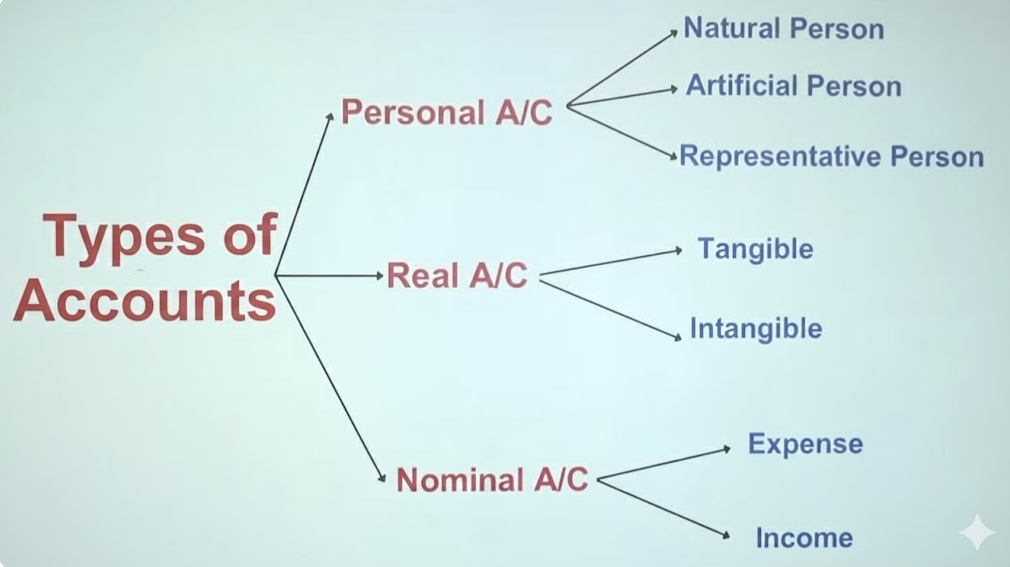
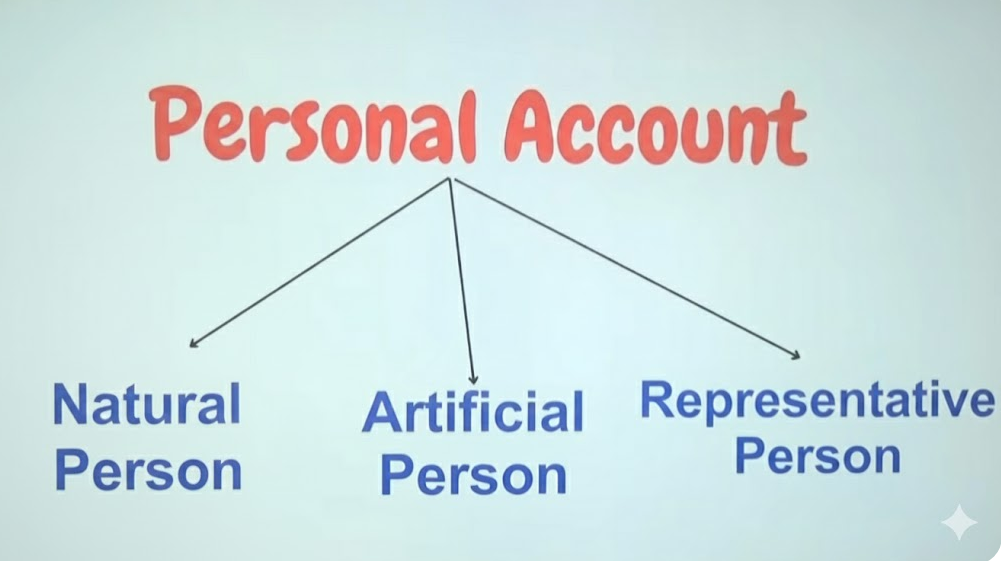
Types of Accounts in Accounting?
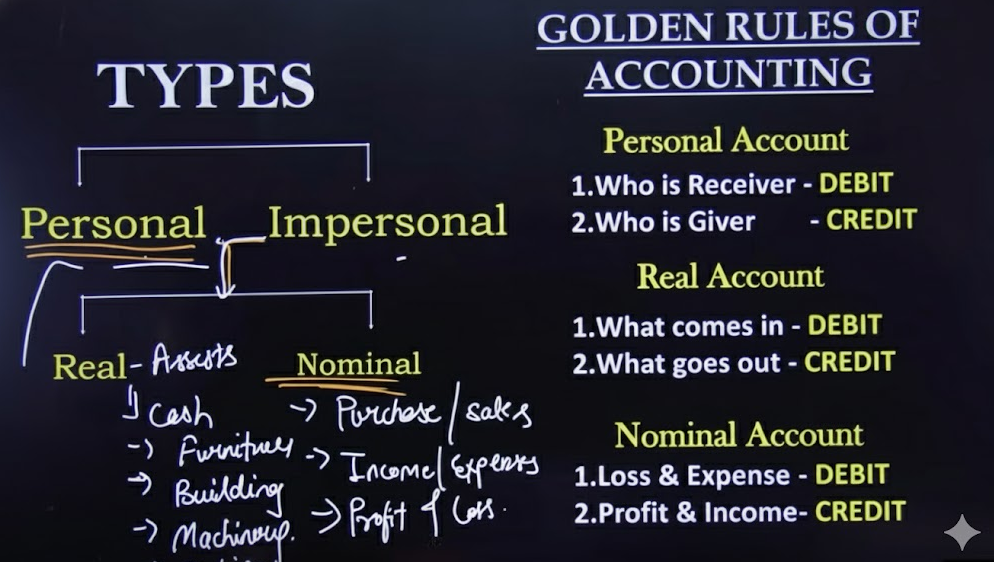
Accounting uses the Double-Entry System, where every transaction affects two accounts.
There are 5 main types (or categories) of accounts:
1 Assets
Assets are resources owned by a business.
Examples:
- Cash
- Machinery
- Buildings
- Inventory
- Accounts Receivable
Rule:
- Debit increases assets
- Credit decreases assets
2 Liabilities
Liabilities are the obligations or debts of a business.
Examples:
- Loans
- Accounts Payable
- Outstanding Expenses
- Bank Overdraft
Rule:
- Credit increases liabilities
- Debit decreases liabilities
3 Equity (Capital)
Equity represents the owner’s interest in the business.
Examples:
- Capital
- Drawings (withdrawals reduce capital)
- Retained earnings
Rule:
- Credit increases equity
- Debit decreases equity
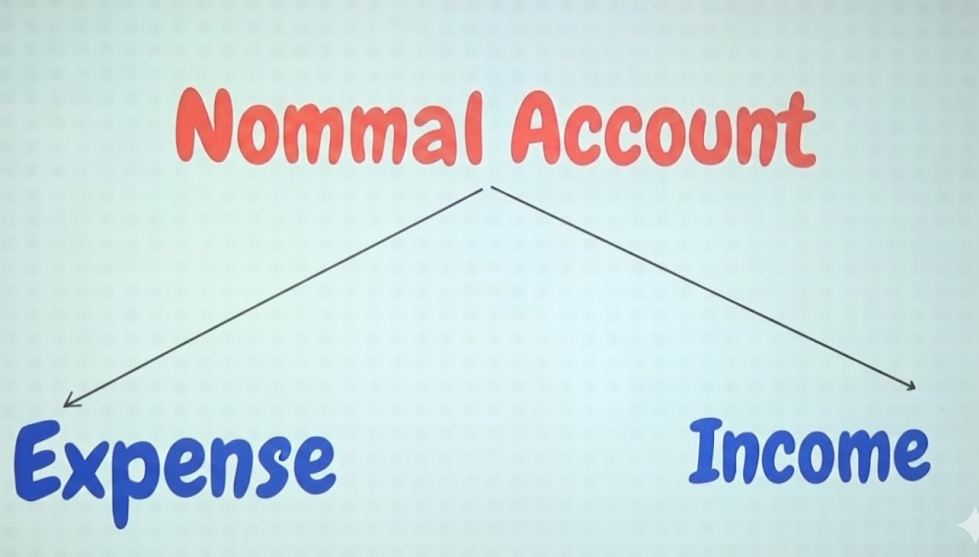
3 Income (Revenue)
Income is what the business earns.
Examples:
- Sales
- Service income
- Interest income
Rule:
- Credit increases income
- Debit decreases income
4 Expenses
Expenses are costs incurred to run the business.
Examples:
- Rent
- Salaries
- Electricity
- Stationery
- Advertising
Rule:
- Debit increases expenses
- Credit decreases expenses
Key Functions of Accounting?
- Records transactions (like sales, purchases, expenses)
- Classifies them into categories
- Summarizes them into reports (like balance sheet, income statement)
- Analyzes financial performance
- Helps in decision-making
- Ensures legal compliance (taxes, audits, etc.)
Why Accounting Is Important?
- Shows profit or loss
- Helps track business growth
- Controls expenses
- Helps attract investors
- Provides information for planning and budgeting
Simple Definition in Accounting?
Accounting is the systematic process of keeping financial records so that a business can understand its financial position and make informed decisions.
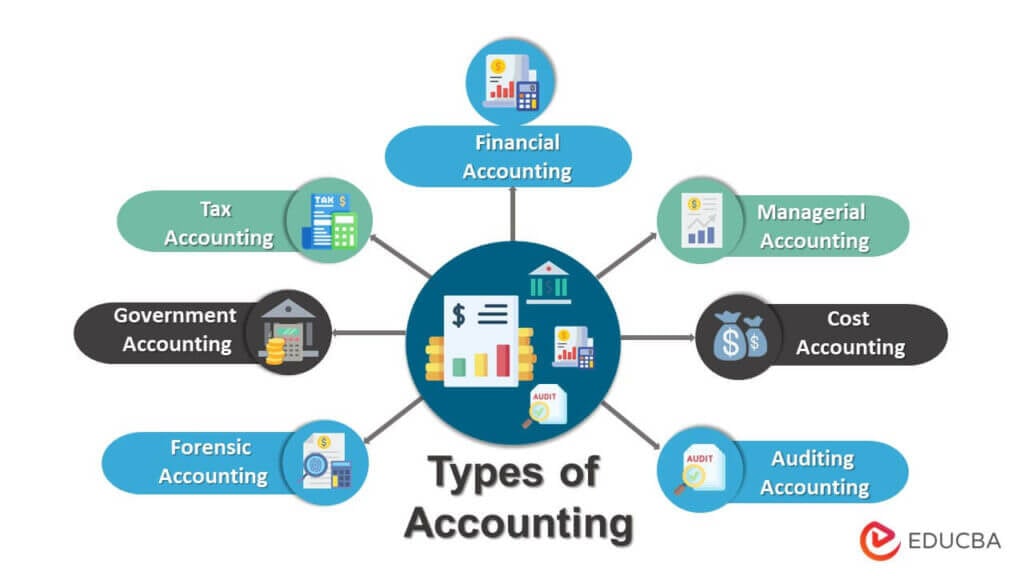
Types of Accounting?
1 Financial Accounting
Focuses on preparing financial statements for external users like investors, banks, and government.
Includes:
- Balance Sheet
- Income Statement
- Cash Flow Statement
Purpose: Shows financial performance and position.
2 Management Accounting
Provides financial information to internal users (managers) for decision-making.
Covers:
- Budgeting
- Cost control
- Performance evaluation
Purpose: Helps managers plan and make strategic decisions.
3 Cost Accounting
Deals with calculating the cost of producing goods or services.
Includes:
- Material cost
- Labor cost
- Overheads
Purpose: Helps control costs and set product prices.
4 Tax Accounting
Focuses on preparing and filing tax returns and ensuring tax compliance.
Includes:
- Income tax
- GST/VAT
- Tax planning
Purpose: Follows tax laws and reduces tax liability legally.
5 Auditing
Examines the accuracy of financial records and statements.
Types:
- Internal audit
- External audit
Purpose: Ensures financial reliability and prevents fraud
6 Forensic Accounting
Investigates financial fraud, embezzlement, and disputes.
Used by:
- Police
- Courts
- Insurance companies
7 Government Accounting
- Used in government departments to record public funds, budgets, and expenditures.
8 Project Accounting
- Used to track the financial progress of specific projects.
Used in:
- Construction
- Engineering
- IT projects